
1. Fresh Bread on Mondays: The Early Week Reset
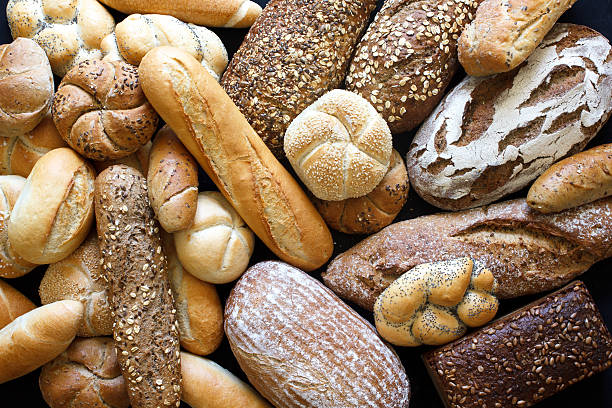
There’s a certain comfort in buying bread that’s still soft, warm, and fresh, and Mondays often happen to be one of the best times to find it. After the weekend rush, many grocery stores restock their bakery sections, preparing for a new week of shoppers. It’s a quiet reset, where shelves are replenished and older items are cleared out to make room for new batches. If you’ve ever walked into a store early in the week and noticed how full and neat everything looks, that’s part of the rhythm. Bread, in particular, tends to benefit from this cycle, making Monday a surprisingly good day to pick it up.
Retail experts often note that “grocery stores typically restock perishable items like baked goods at the start of the week to ensure freshness,” which explains why Mondays feel different. Buying bread at this time not only gives you better quality but also helps it last longer through the week. Over time, small habits like this can make grocery shopping feel less rushed and more thoughtful. It’s one of those simple shifts that doesn’t require much effort but makes a noticeable difference once you get used to it.
2. Meat Discounts on Tuesdays: Quiet Markdowns After the Rush

Tuesdays tend to be quieter in grocery stores, and that quiet often comes with small, easy-to-miss savings. After the heavier shopping traffic over the weekend, stores sometimes begin marking down meat that needs to be sold before its date gets too close. It’s not always obvious at first glance, but if you take a moment to check labels, you’ll often find reduced prices on cuts that are still perfectly good. For people who don’t mind planning meals around what’s available, this can be a practical way to save without sacrificing quality.
According to industry observations, “meat departments frequently discount products early in the week to manage inventory and reduce waste,” which makes Tuesday a good time to look more closely. It’s not about buying in excess, but about being aware of timing. Over time, noticing patterns like this can shift how you shop, making it feel less like a routine task and more like something you understand. It’s a small adjustment, but one that adds up quietly over time.
3. Fresh Produce on Wednesdays: Midweek Restocking Advantage
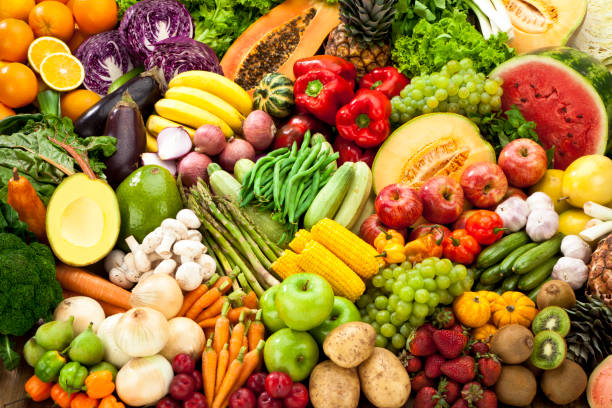
By the time Wednesday comes around, grocery stores often feel like they’ve settled into a rhythm again. The rush of the weekend has passed, early-week shopping has slowed down, and this is usually when fresh deliveries begin to arrive. If you’ve ever walked into a store midweek and noticed how vibrant the fruits and vegetables look, that’s not a coincidence. Shelves are being restocked, older produce is cleared out, and everything feels a little more refreshed. It’s a quiet moment in the grocery cycle where quality and availability meet in a way that’s easy to overlook if you’re not paying attention.
Food supply experts often explain that “midweek deliveries help stores maintain freshness and reduce spoilage,” which is why Wednesday tends to stand out for produce. Shopping on this day doesn’t just give you better-looking fruits and vegetables, it also means they’ll likely last longer once you get home. Over time, small observations like this can shift how you approach grocery shopping. Instead of picking items randomly throughout the week, you begin to notice patterns and adjust naturally. It doesn’t feel like extra effort, just a simple awareness that makes your routine smoother and a little more intentional.
4. Dairy Deals on Thursdays: Clearing for New Stock

Dairy products tend to move quickly, but they also follow a very predictable cycle behind the scenes. By Thursday, many grocery stores begin preparing for new shipments, which means older stock needs to be sold before fresh items arrive. If you take a closer look at the dairy section around this time, you might notice small discounts on milk, yogurt, cheese, and similar items that are still perfectly fine but nearing their sell-by dates. It’s not always something announced loudly, but it’s there for those who are paying attention.
Retail insights often note that “perishable goods like dairy are frequently discounted before restocking cycles,” and that explains why Thursdays quietly become a good day to shop. It’s especially useful if you’re buying items you plan to use within a few days anyway. Over time, noticing patterns like this changes how you shop, not in a dramatic way, but in a steady, thoughtful one. You start to move with the system instead of against it, and that makes the whole process feel a little easier, a little smarter, and more in tune with how things naturally work.
5. Frozen Foods on Fridays: End-of-Week Promotions
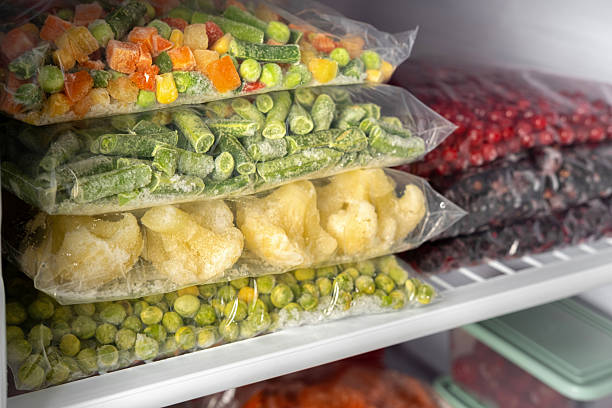
Fridays often bring a subtle shift in the way grocery stores present their products. As the weekend approaches, there’s a quiet effort to prepare for increased foot traffic, and part of that preparation involves promotions. Frozen foods, in particular, tend to get a bit more attention at this point in the week. You might notice small discounts, bundle deals, or simply better availability as stores make space and encourage purchases before the weekend rush fully begins. It’s not always obvious, but it becomes easier to spot once you know what to look for.
Marketing experts often say that “end-of-week promotions are designed to increase foot traffic and boost sales,” which explains why Fridays feel slightly different from earlier in the week. Buying frozen foods at this time can be practical, especially since they store well and give you flexibility for later meals. Over time, patterns like this make grocery shopping feel less random and more predictable. It’s not about overthinking every purchase, but about noticing small opportunities that naturally fit into your routine, making things just a little more convenient without requiring extra effort.
6. Snacks on Saturdays: Weekend Promotions That Make Sense

There’s something about Saturdays that makes snack shopping feel a little more intentional. Maybe it’s the slower pace of the day or the way weekends naturally lean toward relaxation, but grocery stores seem to respond to that energy. Shelves are often fuller, displays are more noticeable, and snack items tend to be grouped in ways that catch your attention without trying too hard. It’s not always about major discounts, but about how things are positioned and timed to match how people shop on weekends. If you’ve ever found yourself picking up a few extra treats on a Saturday without planning to, you’ve probably experienced this without realizing it.
Retail patterns often show that “weekend shopping behavior influences promotional placement and pricing strategies,” which explains why snacks feel more accessible around this time. Buying snacks on Saturdays can actually work in your favor, especially when stores are trying to encourage larger baskets ahead of peak traffic. Over time, it becomes less about impulse and more about awareness. You begin to notice that certain items seem easier to find or slightly better priced at specific times, and that understanding helps you shop in a way that feels both natural and a little more thoughtful.
7. Bakery Clearance on Sundays: The Quiet End-of-Week Deals

By Sunday, there’s a noticeable shift in the bakery section. The fresh batches that came in earlier in the week are nearing the end of their shelf life, and stores begin to make space for what’s coming next. It’s not always announced loudly, but if you look closely, you’ll often find discounted bread, pastries, and other baked goods that are still perfectly good but need to be sold quickly. It’s one of those quiet opportunities that rewards a little attention, especially if you don’t mind using or freezing items soon after buying them.
Industry observations often note that “perishable bakery items are discounted toward the end of their shelf cycle to reduce waste,” which makes Sunday a practical day to check. It’s not about compromising on quality, but about timing your purchase well. Over time, these small patterns become easier to recognize, and grocery shopping starts to feel less rushed and more intentional. It’s a simple shift, but one that adds a layer of awareness to something most people do without thinking twice.
8. Canned Goods on Mondays: Restocked and Ready
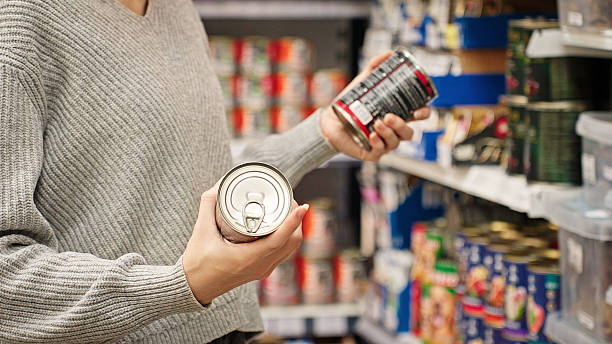
Mondays often bring a sense of reset to grocery stores, and that includes pantry staples like canned goods. After the weekend rush, shelves are usually restocked, and inventory is brought back to a more balanced level. It’s a quieter shopping day, which makes it easier to notice what’s available and compare options without feeling rushed. For items that don’t expire quickly, this is a good time to take advantage of full shelves and consistent pricing.
Retail experts often mention that “non-perishable items are restocked early in the week to maintain steady inventory levels,” which explains why Mondays feel more organized. Buying canned goods on this day isn’t just about price, it’s about availability and ease. Over time, small habits like this make grocery shopping feel smoother, allowing you to pick things up when stores are at their most prepared rather than when they’re being stretched by demand.
9. Eggs on Tuesdays: A Small but Noticeable Pattern

Eggs are one of those everyday items people pick up without thinking too much about timing. But if you pay close attention, Tuesdays often turn out to be a good day to buy them. After weekend demand, stores begin to adjust their stock, and pricing can sometimes reflect that shift. It’s not always dramatic, but it’s enough to make a difference over time, especially for something people buy regularly.
According to grocery trends, “staple items like eggs may see midweek price adjustments following weekend demand fluctuations,” which explains the pattern. Buying eggs on Tuesdays becomes less about chasing deals and more about understanding the flow of supply and demand. Over time, these small observations add up, making everyday shopping feel a little more informed and less random.
10. Household Essentials on Wednesdays: Midweek Stability

By the time Wednesday rolls in, grocery stores often feel like they’ve found their balance again. The early-week restocking has already happened, the rush from the weekend has faded, and everything seems to sit in a quiet, steady rhythm. If you’ve ever walked through the cleaning aisle or picked up toiletries midweek, you might have noticed how easy it feels compared to crowded weekends. Shelves are more organized, items are easier to find, and there’s less of that subtle pressure to grab things quickly before someone else does. It’s one of those moments where shopping feels less like a chore and more like a simple, manageable task you can move through at your own pace.
Retail analysts often point out that “midweek periods provide optimal shelf stability and inventory consistency,” and that’s exactly what Wednesdays tend to offer. Buying household essentials on this day isn’t just about availability, it’s about the overall experience. You’re more likely to find what you need without substitutions, and you can take your time making better choices. Over time, this kind of pattern quietly changes how you approach grocery runs. Instead of rushing through crowded aisles, you begin to lean into these calmer windows, where everything feels a little more predictable and a lot less stressful.
11. Deli Items on Thursdays: Fresh Preparations Before the Weekend Crowd
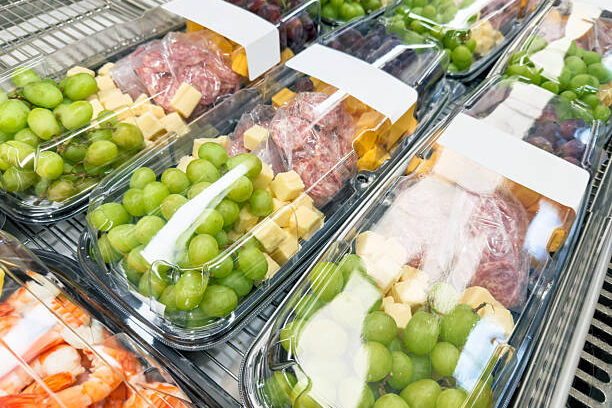
There’s a quiet shift that happens in the deli section as Thursday approaches. Stores begin preparing for the busier days ahead, and that preparation often shows up in the form of fresh cuts, newly stocked trays, and a wider selection of ready-to-eat options. If you’ve ever stopped by the deli counter late in the week, you might have noticed how full it looks compared to earlier days. It’s not just about quantity, though. There’s a certain freshness and attention to detail that comes from knowing demand is about to increase. Everything feels more intentional, like it’s been set up with the weekend in mind.
Food service experts often explain that “deli production increases ahead of peak consumer demand to ensure freshness and availability,” which is why Thursdays tend to stand out. Buying deli items on this day can give you better quality and more options, whether you’re planning meals or just picking up something quick. Over time, noticing this pattern adds a quiet sense of ease to your routine. You’re no longer guessing when items might be freshest, you’re simply aligning with the natural flow of how stores prepare, making your choices feel a little more informed without adding any extra effort.
12. Soft Drinks on Fridays: Subtle Deals Before the Weekend Begins

Fridays have a way of shifting the mood in grocery stores, even if it’s not immediately obvious. There’s a quiet anticipation of the weekend, and that often shows up in how certain items are promoted, especially soft drinks and beverages. You might notice bundle deals, slightly reduced prices, or displays placed more prominently than usual. It’s not always something you go in looking for, but it tends to catch your eye as you move through the store. And without thinking too much about it, you find yourself picking up a few extra bottles or cans, just in case.
Marketing insights often highlight that “beverage promotions are timed ahead of peak consumption periods such as weekends,” which explains why Fridays feel a bit different. Buying soft drinks on this day can be a simple way to take advantage of those subtle shifts. Over time, patterns like this begin to feel familiar, almost predictable. You don’t have to plan around them in a strict way, but being aware of them makes your shopping feel a little more intentional. It’s a small detail, but one that fits naturally into how people prepare for the slower, more relaxed pace of the weekend.
13. Ready Meals on Saturdays: Convenience That Matches the Pace of the Day

Saturdays tend to carry a different kind of energy, and grocery stores reflect that in how they present certain products. It’s one of the busiest shopping days, and there’s a noticeable focus on convenience. Ready meals, in particular, become more visible, with fuller shelves and easier access for shoppers who might not want to cook from scratch. You can feel it in the way these items are arranged, almost inviting you to choose something simple and save yourself the time. It’s not about cutting corners, but about meeting the moment for what it is.
Retail observations often note that “convenience foods experience increased demand during weekends, influencing both stocking and promotional strategies.” Buying ready meals on Saturdays aligns naturally with that demand, making it easier to find what you need when you need it. Over time, this becomes less of a coincidence and more of a quiet pattern you start to recognize. It’s one of those small adjustments that makes your routine feel more in sync with your schedule, helping you move through the day with a little less effort and a bit more ease.
14. Seafood on Thursdays: Fresh Stock Before Peak Demand

Seafood is one of those categories where timing can make a noticeable difference, even if it’s not something people think about often. Many grocery stores receive fresh seafood deliveries toward the end of the week, which means Thursdays tend to offer some of the best selection. If you’ve ever compared the seafood section early in the week to later days, you might have seen the difference in both variety and appearance. It’s not dramatic, but it’s there, and it’s enough to matter if freshness is something you care about.
Industry experts often explain that “seafood deliveries are strategically timed to ensure peak freshness heading into high-demand periods,” which is why Thursdays stand out. Buying seafood on this day gives you access to newer stock and more options, making it easier to choose what works best for you. Over time, these small observations start to shape your habits in subtle ways. You don’t have to plan everything perfectly, but knowing when certain items are at their best adds a quiet sense of confidence to your shopping routine.
15. Breakfast Cereals on Tuesdays: Quiet Midweek Adjustments

Cereal might seem like one of those items that stays the same no matter when you shop, but there are small shifts that happen behind the scenes. After the weekend rush, stores begin to rebalance their inventory, and Tuesdays often become a point where pricing and shelf placement adjust slightly. It’s not something that stands out immediately, but if you shop regularly, you start to notice how certain items feel more available or slightly better priced midweek. It’s a subtle pattern, but one that becomes clearer over time.
Retail data often suggests that “packaged goods undergo pricing and inventory adjustments during midweek periods,” which explains why Tuesdays can be a good time to pick up cereals. Buying on this day doesn’t require extra planning, it simply fits into the natural flow of how stores operate. Over time, these small shifts become part of how you move through your routine. It’s not about chasing deals, but about noticing what’s already happening and letting it work in your favor in a way that feels easy and unforced.
16. Pantry Staples on Mondays: A Fresh Start to the Week

There’s something quietly satisfying about starting the week with a well-stocked pantry. Mondays often bring that opportunity, as stores have just come out of the weekend rush and are in the process of restocking essential items. The aisles feel calmer, shelves are fuller, and it’s easier to find things like rice, pasta, flour, and other basics without having to search too hard. It’s not a dramatic difference, but it’s enough to make the experience feel smoother and more manageable.
Retail experts often note that “early-week shopping provides access to freshly restocked shelves and stable pricing conditions,” which makes Mondays a practical choice for pantry items. And when you step back and look at all these small patterns together, it becomes clear that grocery shopping isn’t just about what you buy, but when you buy it. These quiet rhythms are always there, shaping the experience in ways most people don’t notice.