
1. Mobile Grocery Apps: Lists in Your Pocket
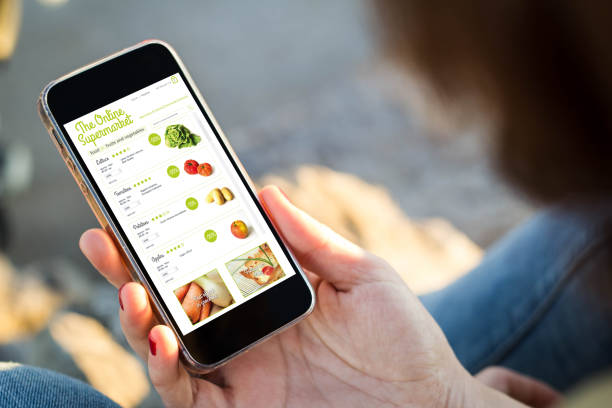
It’s funny how something as simple as a grocery list has gone digital, yet it feels like a small revolution. Mobile apps allow people to build lists, check off items as they go, and even share them with family members in real time. If you’re juggling errands, work, and life, having a list in your pocket feels almost magical, it eliminates the old habit of scribbling on paper or forgetting items at home. Apps like Instacart, Walmart, and Tesco have made shopping a more organized experience, blending convenience with a little sense of control.
Experts often point out that “mobile grocery apps streamline shopping, reduce forgotten items, and improve efficiency for busy households,” which is exactly what shoppers notice. Over time, this subtle change has created a quiet shift in behavior. People find themselves checking apps before stepping out, planning purchases in advance, and even exploring new products suggested by the app. It’s not just about convenience, it’s about turning a simple weekly chore into something a little smarter, a little easier, and a lot less stressful.
2. Self-Checkout Lanes: The Rise of Independence
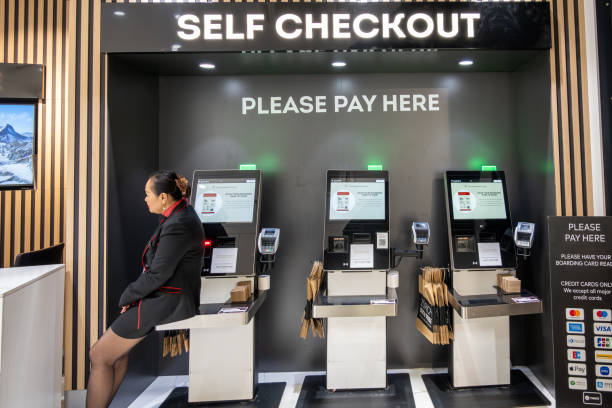
Stepping up to a self-checkout lane used to feel unusual. Now, it almost feels normal, even preferable. No waiting for a cashier, scanning items at your own pace, and bagging groceries as you see fit, it gives a sense of control and speed. Some people enjoy the small autonomy it offers, especially when buying just a few items, while others appreciate it as a faster way through busy stores. Over time, self-checkout has shifted expectations, creating a smoother rhythm in shopping routines that didn’t exist decades ago.
Retail technology analysts note that “self-checkout adoption has increased steadily, with many stores reporting efficiency gains and reduced labor costs,” which shows the subtle impact on the overall shopping experience. But there’s more than speed at play. Self-checkout changes the psychology of shopping, making people more aware of what they pick, scan, and bag. It quietly shifts responsibility and attention, which is part of why it feels so different from the traditional cashier experience. For those paying attention, this small technology change has quietly reshaped how grocery aisles flow, how we interact with items, and even how we think about time spent in stores.
3. Online Grocery Delivery: From Click to Doorstep
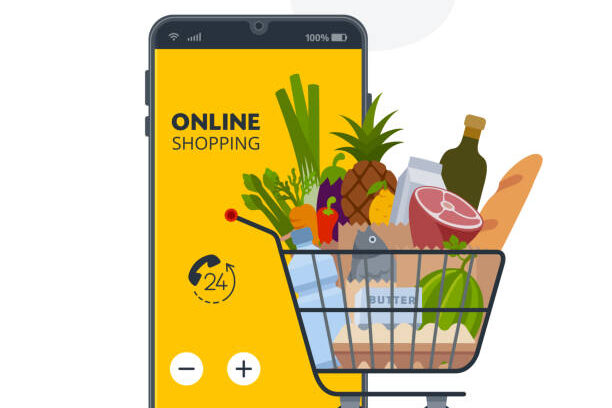
There’s something quietly transformative about having groceries arrive at your door without stepping into a store. Online delivery services have changed shopping from a scheduled, physical activity to a convenient digital task. From selecting fresh produce to choosing your preferred brands, people are discovering the ease of planning meals from home, avoiding crowded aisles and saving time. It’s a change that feels subtle but makes a big difference in daily routines, especially for families, busy professionals, or anyone balancing multiple commitments.
According to experts, “grocery delivery services reduce friction in shopping, improve access for urban and suburban consumers, and support meal planning efficiency,” highlighting how tech is quietly shaping behavior. Over time, ordering online encourages people to plan ahead, compare prices, and even try new products they might not have picked up in-store. It subtly changes the experience from reactive shopping, grabbing whatever is on the shelf to proactive, thoughtful selection. This shift, though quiet, is changing how groceries are bought and consumed, making convenience a central part of the modern food journey.
4. Price Comparison Tools: Smarter Spending

Technology has quietly turned shoppers into small-scale strategists. Price comparison apps and websites allow people to see which stores offer the best deals without visiting each one physically. It turns grocery shopping into a mix of planning, calculation, and strategy. Some shoppers enjoy tracking discounts across stores, while others simply want reassurance that they’re spending wisely. It adds an element of control that was nearly impossible before, where loyalty and habits often determined where people shopped more than price or convenience.
Industry insiders note that “digital price comparison tools increase transparency, empower consumers, and encourage competitive pricing,” which explains why their usage is growing. For shoppers, this is more than just convenience, it’s a subtle education in value. People begin to notice patterns, recognize promotions, and understand pricing strategies that were once invisible. Over time, it quietly influences decisions: the choice of brand, the day to shop, and even the size of purchases. Technology doesn’t just help people buy groceries, it helps them do it more intelligently, almost without thinking.
5. Subscription Boxes: Planning Ahead With Ease

Subscription boxes might feel like a small indulgence at first, but they have quietly altered how people approach grocery shopping. By delivering curated items on a regular schedule, these boxes take away the stress of planning every week, while introducing new products and seasonal items. For busy households, it’s a small ritual that removes the friction of decision-making. Over time, it creates a rhythm in the kitchen and pantry, where people can plan meals and stock essentials with ease, without the chaos of last-minute shopping trips.
Food industry commentators highlight that “subscription services provide convenience, predictability, and exposure to new products,” which explains their growing popularity. The impact is subtle but meaningful: people start to rely on consistent deliveries for staples, explore new foods they wouldn’t normally buy, and approach grocery shopping less as a task and more as a planned, manageable part of life. It quietly shifts habits, making technology a partner in daily nutrition rather than just a tool for efficiency.
6. Smart Carts: Guided Shopping Without the Guesswork

Walking down aisles used to mean wandering, comparing prices, and hoping you remembered everything on your list. Smart carts are quietly changing that. These carts, equipped with touchscreens or barcode scanners, can guide shoppers through stores, suggest items based on previous purchases, and even provide real-time promotions. Suddenly, shopping becomes less about guessing and more about following a gentle, personalized guide. It’s like having a subtle assistant that helps you navigate the aisles without rushing or second-guessing yourself.
Retail technology specialists point out that “smart carts enhance the in-store experience by combining convenience with data-driven personalization,” which explains why stores experimenting with them see increased customer satisfaction. Over time, people start to rely on cues from these carts, from optimized routes to product suggestions that feel tailored. The quiet impact is in how decisions are made: less stress about missing items, more confidence in selections, and a subtle shift in the rhythm of shopping. It changes the experience from a routine chore into something a little smarter, a little lighter, and more connected to personal habits.
7. Digital Coupons: Clipping Without the Paper
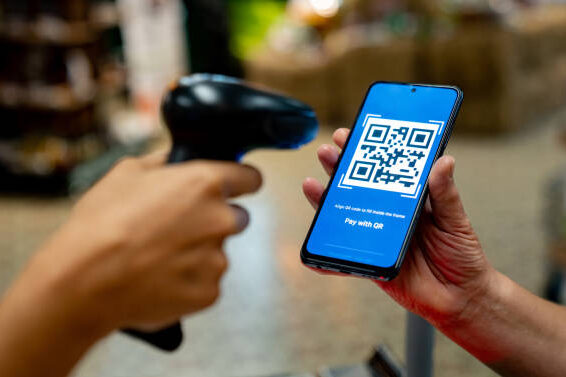
There was a time when clipping coupons meant scissors, newspapers, and a dedicated Saturday morning. Now, digital coupons on apps and loyalty programs have removed the mess while keeping the thrill of saving. People can scan a code, automatically apply discounts at checkout, and even track savings over time. It makes the act of saving money feel seamless, turning what used to be a laborious process into something automatic and satisfying.
Economists note that “digital couponing increases consumer engagement while driving loyalty, and it allows for highly targeted promotions,” which is part of why shoppers respond so well. The change is subtle but effective: people check apps before going shopping, plan their lists around available offers, and feel more in control of their budget. It quietly alters behavior, teaching shoppers to be strategic without forcing them to spend extra time preparing. Over time, digital coupons are changing not just the mechanics of saving, but also the mindset around spending, making budgeting feel natural rather than chore-like.
8. AI-Driven Recommendations: Your Digital Taste Buddy

Ever notice how your favorite shopping app starts suggesting items before you even think of them? That’s AI quietly observing patterns and preferences, and it’s shaping grocery choices without being obvious. From suggesting complementary products to reminding you about essentials you often forget, AI is becoming a silent partner in the shopping experience. It feels like your digital taste buddy knows you well, nudging decisions gently rather than pushing them aggressively.
Experts explain that “AI recommendations increase convenience and personalization in retail, subtly guiding consumer behavior through predictive analytics,” which shows how technology quietly becomes a part of routine choices. Over time, shoppers begin to trust these suggestions, often experimenting with new brands or items they wouldn’t have picked themselves. The impact is cumulative, small nudges lead to smarter planning, less forgotten items, and a more seamless shopping rhythm. Technology isn’t replacing choice; it’s quietly enhancing how people interact with products, making the journey feel smarter without losing the personal touch.
9. Scan-and-Go Tech: Bypass the Lines

Standing in long checkout lines used to be a universal grocery shopping frustration. Scan-and-go technology is quietly changing that experience, letting people scan items as they shop and pay directly through an app. No waiting, no juggling carts, just a smooth exit once all items are accounted for. It’s one of those small changes that feels luxurious precisely because it’s practical. People suddenly realize that shopping doesn’t need to be slowed by routine bottlenecks.
Industry analysts note that “scan-and-go solutions improve customer satisfaction and store efficiency while providing valuable data on shopping habits,” which explains why the technology is expanding in more chains. Beyond speed, it subtly shifts the psychology of shopping. People are more aware of each item scanned, keep better track of spending, and sometimes even adjust choices mid-shopping because the app provides instant totals. It quietly transforms the chore of grocery shopping into a streamlined experience where time, attention, and convenience align.
10. Voice-Activated Shopping: Talking Your List Into Reality

Remember the days of muttering your grocery list aloud while trying to hold a pen and a receipt? Voice-activated shopping is taking that concept to the next level. Smart assistants like Alexa, Google Assistant, and Siri allow people to add items to their digital cart, check inventory, or reorder staples just by speaking. The technology feels natural because it mimics normal conversation, but it quietly shifts the way people plan, remember, and purchase groceries.
Tech commentators note that “voice-activated interfaces simplify routine shopping tasks, making it faster and more accessible, especially for multitaskers,” which is why adoption is growing. Over time, people start relying on voice commands for routine items, reserving physical interaction for fresh produce or items they prefer to choose personally. It subtly changes the cognitive load of shopping, freeing up mental energy while keeping routines intact. Talking your list into reality may soon feel as natural as writing it down once did, and the quiet impact of this shift is already visible in homes where groceries arrive without a single hand-written note.
11. Smart Refrigerators: Your Kitchen Now Talks Back

It’s a bit surprising how your grocery habits can start changing without you even stepping into a store, and smart refrigerators are a good example of that. These appliances can track what’s inside, alert you when items are running low, and sometimes even suggest what to buy next. At first, it feels like an extra feature you may not need, but over time, it quietly becomes part of how you plan your meals. Instead of guessing what’s left or opening the fridge repeatedly, you already have a clear idea before you begin shopping.
Tech experts often explain that “smart appliances are bridging the gap between consumption and purchasing decisions,” and that shift is easy to notice. One grocery trip becomes less about memory and more about information that’s already been gathered for you. It reduces waste, helps with planning, and removes that small frustration of forgetting essentials. In a quiet way, your kitchen becomes part of the shopping process itself, guiding your decisions before you even write a list or open an app.
12. Grocery Apps with Shopping Lists: Planning Made Easy

Most of us still remember jotting down a paper list before heading to the store, then inevitably forgetting half of it. Grocery apps with digital shopping lists have quietly taken over that role, syncing across devices and sometimes even suggesting items based on past purchases. The convenience lies not just in organization, but in memory: apps remember what we forget and gently nudge us when needed. Shopping feels less stressful and more intentional, and there’s a quiet satisfaction in crossing items off without carrying a pen.
Technology experts say that “digital shopping lists increase efficiency and reduce impulsive purchases while helping consumers stay on budget,” which highlights their subtle power. Over time, shoppers start relying on these apps for more than just reminders, they influence choices, prioritize essentials, and even introduce healthier options. The digital list quietly guides behavior while giving a sense of control, turning what was once a minor task into a streamlined, almost playful habit. The shift feels natural, and before long, it becomes hard to imagine shopping without a smart assistant quietly keeping track.
13. Augmented Reality: Seeing Products Before Buying
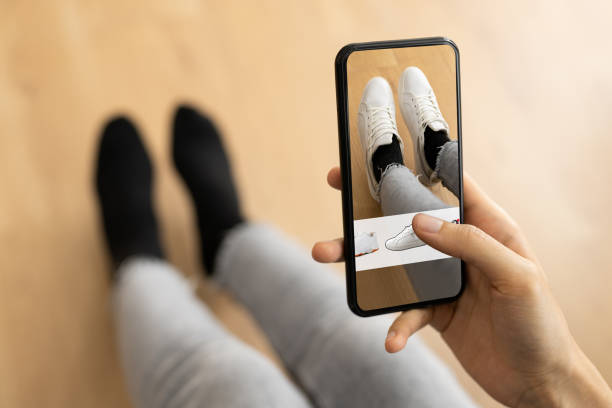
Augmented reality, once a futuristic idea, is quietly changing how people interact with grocery products. Apps now let shoppers visualize fruits, vegetables, or packaged goods, sometimes showing nutritional info, recipes, or even shelf locations in-store. It turns the act of browsing into an interactive experience. People are no longer just reaching for items—they’re exploring them in a more informed and connected way, making each selection feel thoughtful rather than random.
Industry professionals note that “AR technology helps consumers make informed choices and can increase engagement with products,” which explains why retailers are investing in it. Over time, shoppers become accustomed to richer product information at their fingertips, whether in-store or online. The quiet effect is subtle but significant: people are more confident in decisions, more curious about alternatives, and more likely to experiment with new items. What started as a tech novelty slowly becomes a regular part of the shopping experience, merging convenience, knowledge, and a hint of discovery into one seamless interaction.
14. Self-Checkout Stations: Speed and Control

Long gone are the days when every shopper had to wait in a single line for a cashier. Self-checkout stations give people a sense of speed and control, letting them scan, bag, and pay at their own pace. The technology quietly empowers shoppers to handle transactions on their own, reducing wait times and letting them manage small purchases efficiently. For those who enjoy autonomy, it’s an easy habit to adopt, and it subtly changes the rhythm of grocery trips.
Retail analysts explain that “self-checkout reduces labor costs while providing convenience, and it gradually shifts shopper expectations toward faster, more autonomous experiences,” highlighting its subtle influence. Over time, shoppers adjust to handling every step of their transaction, from scanning to payment, creating a quiet familiarity with technology that feels like second nature. What was once considered unusual or inconvenient now feels like the default way to check out. People gain efficiency, and stores gain smoother flow, showing how small tech changes quietly ripple through everyday habits.
15. Cashless Payments: Wallets Are Slowly Optional
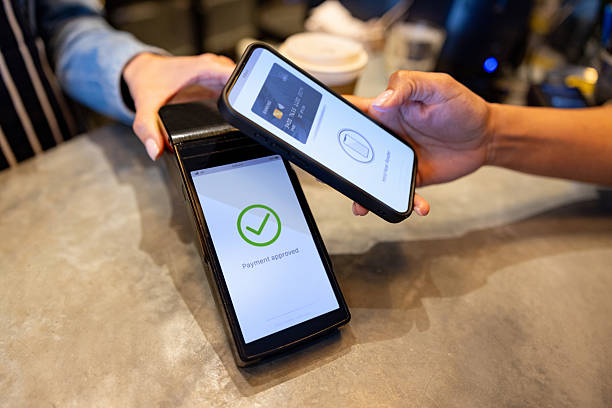
There was a time when leaving home without cash felt impossible, but now digital wallets, mobile pay, and tap-to-pay systems are quietly changing that habit. Shoppers can walk in, pick their items, and leave without ever pulling out a bill. It’s convenient, fast, and increasingly familiar, especially in urban settings where every second counts. The act of spending becomes less tactile but no less satisfying, and people adjust quickly to relying on devices instead of physical money.
Financial experts observe that “digital payment adoption is steadily reducing the need for cash, and consumers are embracing seamless checkout experiences,” which highlights the broader impact. Over time, the quiet shift becomes routine: wallets sit at home, transactions are instant, and people begin planning their shopping around mobile systems rather than physical bills. It’s a subtle but pervasive change, shaping how individuals relate to money and convenience. The small act of going cashless is quietly redefining what it means to be prepared for a grocery trip, merging efficiency with the natural flow of daily life.
16. Social Media Influence: Groceries Inspired by What You See

Sometimes, you don’t realize why a certain product feels familiar until you remember you saw it online. Social media has quietly become a strong influence on grocery choices, from viral recipes to trending food items that suddenly appear everywhere. You might see a quick cooking video or a simple meal idea, and the next time you shop, those ingredients find their way into your cart almost naturally. It doesn’t feel like influence in the moment, but it shapes your decisions more than you expect.
Marketing analysts often note that “social platforms are driving food trends and influencing purchasing behavior in subtle but powerful ways.” One grocery trip becomes more exploratory, guided not just by needs but by inspiration. It adds variety to what you buy, introducing new ingredients or combinations you might not have considered before. Over time, your shopping list becomes a reflection of both your habits and what you’ve been exposed to, blending personal preference with shared digital experiences.
17. Data-Driven Shopping: Decisions Shaped Behind the Scenes
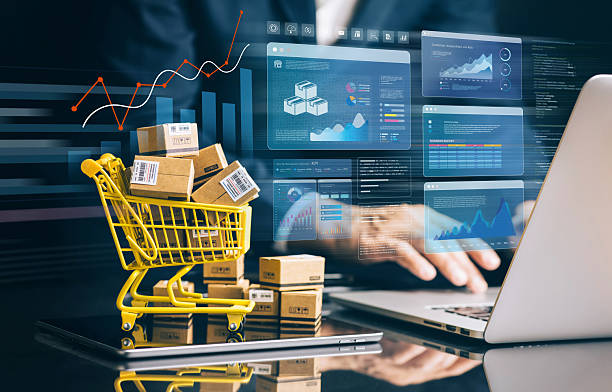
When you step back and look at it, many of these changes are connected by one thing you don’t always see—data. From the apps you use to the suggestions you receive, technology is constantly learning from patterns and behaviors, shaping the grocery experience in ways that feel natural but are carefully designed. It’s not something you notice in one moment, but over time, it becomes clear that shopping is no longer just about what’s on the shelf, but also about what’s happening behind the scenes.
Experts often say, “Data is the foundation of modern retail, enabling personalized, efficient, and adaptive shopping experiences,” and that thought ties everything together. One grocery trip today is influenced by tools, systems, and insights that aim to make life easier, even if you don’t actively think about them. In a quiet way, technology has moved from being an add-on to becoming part of the entire process. And maybe that’s the real shift—not that grocery shopping has changed overnight, but that it has slowly evolved into something smoother, more connected, and more intuitive.
18. Online Reviews: Learning Before Leaving Home

Before a single step is taken toward the store, many shoppers now consult online reviews. Whether it’s checking the freshness of produce, the quality of bakery goods, or a product’s overall value, digital opinions subtly guide decisions. It transforms grocery shopping from a guessing game into a more informed experience, where choices are shaped by collective knowledge rather than just personal experience.
Consumer behavior experts note that “online reviews significantly influence purchase decisions, particularly for fresh and specialty items,” reflecting how digital communities quietly shape daily life. Over time, people rely on these insights to decide what to buy, when to buy it, and even which store to visit. The quiet effect is familiar but powerful: information travels faster than footsteps, and shopping becomes less about wandering aisles and more about following trusted guidance from a broader network.
19. Digital Receipts: Tracking Spending Without Paper Trails

At the end of a grocery trip, instead of holding onto a paper receipt you might lose later, everything now lives neatly in your email or app. Digital receipts don’t just replace paper; they organize your spending history in a way that’s easy to revisit. You can scroll back, check what you bought last week, compare prices, or even track how your habits are changing over time. It’s a small shift, but it adds a layer of clarity that wasn’t always there before.
Financial experts often say, “Digital receipts improve expense tracking and reduce clutter,” and that becomes clear when you start relying on them. One grocery trip no longer disappears once you leave the store; it becomes part of a record you can learn from. You begin to notice patterns, where you spend more, where you save, and what you might want to adjust. It turns shopping into something slightly more reflective, helping you make better decisions without adding extra effort.
20. Personalized Promotions: Tailored Offers That Stick

Finally, loyalty programs and personalized promotions quietly make their mark. Shoppers now receive offers based on past purchases, seasonal trends, and even dietary preferences. What used to feel like generic coupons is now a curated experience, where each discount or promotion seems designed specifically for the individual. This subtle personalization can influence choices, nudging shoppers toward items they might not have considered otherwise.
Marketing analysts explain that “personalized promotions increase engagement and customer retention while creating a sense of individual attention,” which illustrates why this quietly changes shopping behavior. Over time, people begin to anticipate these tailored offers and plan trips accordingly. The impact is gentle but pervasive, making each grocery trip feel more connected, more thoughtful, and surprisingly intuitive. When you look back, these small, quiet shifts from technology start to feel like second nature. Shopping is no longer just a routine; it’s a personalized, efficient, and increasingly informed experience.