
1. Time Your Trips for Fresh Deals
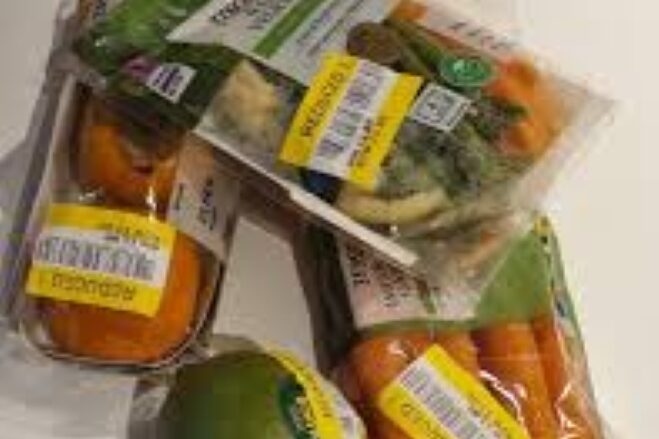
Shopping at the right time can save money and help you get the freshest items. Many grocery stores mark down bread, dairy, and produce toward the end of the day. Visiting in the late afternoon or evening often means fewer crowds and lower prices. Some stores even offer app-based flash discounts during certain hours. Checking the app before heading out can help you catch deals that many shoppers miss.
Timing also encourages smarter meal planning. You may pick items that need to be used soon, which helps reduce food waste at home. Shoppers often report, “I always find the best fruits and vegetables in the late afternoon.” Being aware of timing helps you shop efficiently, get better deals, and stock your kitchen with fresh items without overspending. This small change can make a big difference in both your wallet and your weekly meals.
2. Make a List and Stick to It
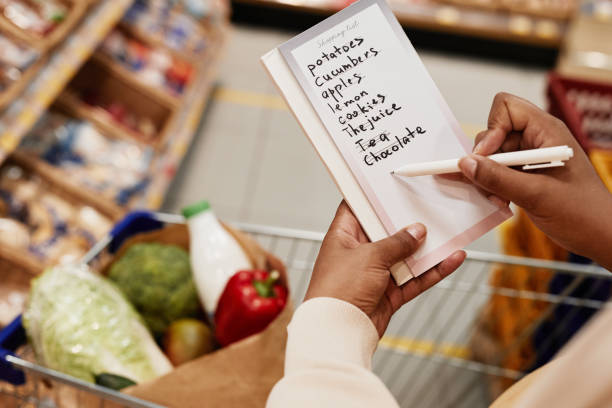
Going to the store without a plan is a quick way to overspend. A detailed grocery list based on meals for the week keeps shopping focused and prevents impulse purchases. Some people organize lists by store sections like produce, dairy, and frozen foods, which saves time and reduces backtracking. Experts say shoppers with lists are more likely to stay under budget by about 30 percent.
Lists also reduce food waste because you buy only what you truly need. Pairing your list with coupons or store app deals can maximize savings. One shopper said, “I always end up with five jars of pasta sauce when I shop without a list, and nothing for dinner.” Using a simple handwritten or app-based list keeps shopping efficient and stress-free while helping you plan meals that fit your budget and household needs.
3. Shop the Perimeter First
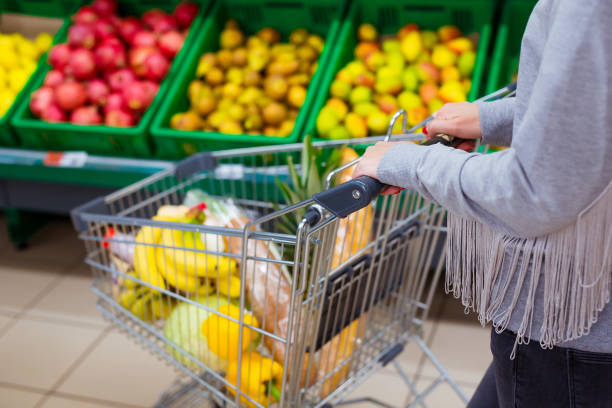
The layout of U.S. grocery stores is no accident. Fresh produce, meat, dairy, and bakery items are usually along the edges while center aisles are stocked with processed snacks and packaged foods. Starting along the perimeter ensures you fill your cart with nutrient-rich foods before temptation hits. It’s an easy way to prioritize quality items while staying on track.
This approach also helps improve the health of your weekly meals. Nutritionists recommend focusing on whole foods, and shoppers notice they naturally buy more vegetables and fresh proteins when they follow the store’s perimeter first. One shopper said, “I fill my cart along the edges first and feel better about my meals all week.” Shopping this way subtly guides choices, saves money by avoiding extras, and keeps meals healthier without requiring strict rules or complicated planning.
4. Know the Labels That Save

Price tags contain more than numbers. Unit pricing shows the cost per ounce, which helps determine the best value. “Best by” and “sell by” dates often underestimate the shelf life, so understanding labels can prevent unnecessary waste. Many stores in the U.S. also highlight organic or local products, which helps shoppers make informed decisions without overspending.
Being label-savvy protects your budget and reduces food waste. By comparing unit prices and checking expiration dates, you can buy what you need and avoid items that may spoil too quickly. Shoppers have reported, “Two smaller packs can sometimes cost less than the big one, and I never noticed that until I checked the label.” Paying attention to labels is a simple but powerful way to stretch your grocery budget, keep your meals fresh, and shop smarter each week.
5. Leverage Loyalty Programs

Grocery store loyalty programs are often underestimated. They offer points, digital coupons, and personalized discounts that save money on items you actually buy. Most programs are free and include app notifications for special deals, so signing up requires little effort but can pay off quickly. Personalized offers based on shopping habits help shoppers save on regular purchases without extra planning.
Loyalty programs also provide early access to weekly sales and digital-only promotions. A shopper recently shared, “I saved $15 in one trip just by scanning the app before checkout.” Using these programs turns routine shopping into a smarter, more cost-conscious routine. Once you get in the habit of checking digital coupons and points, grocery shopping becomes easier, more predictable, and more satisfying. You get value without needing extra effort, which keeps both your budget and your meal planning on track.
6. Compare Prices Beyond the Tag

It’s easy to glance at a price and assume you’re getting a deal, but the real value comes from comparing unit costs. Grocery stores list the cost per ounce or per pound, which can help you spot whether the bigger package is actually cheaper. Shoppers often miss this simple trick and end up paying more without realizing it. Using unit pricing can change how you choose between brands, package sizes, and even organic versus conventional options.
Beyond cost, comparison prevents waste. Buying a giant package of something you won’t finish can be more expensive in the long run than a smaller option. Many shoppers admit, “I always check the unit price now, and it saves me both money and trips back to the store.” It also encourages smarter meal planning because you’re more conscious of portion sizes and what you actually need for the week. When you start thinking this way, shopping becomes more intentional rather than just browsing. Comparing prices this way takes only a few extra seconds but can add up to hundreds of dollars in savings over a year. It’s a small step that makes each grocery trip feel more controlled and satisfying, while keeping your budget and household needs in balance.
7. Stick to Seasonal Produce
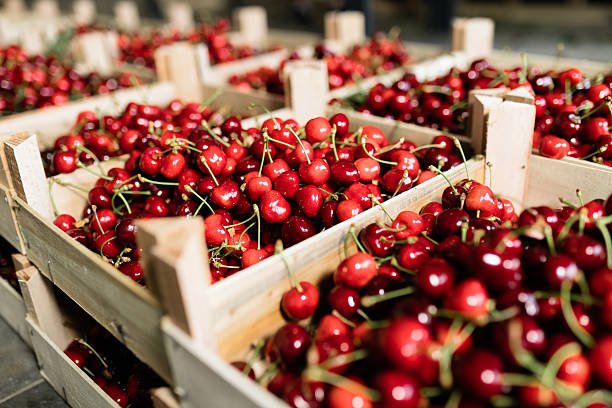
Shopping for fruits and vegetables that are in season can save money and taste better. Seasonal produce is often cheaper because it’s abundant, easier to transport, and less likely to require chemical preservation. For example, berries in the summer or apples in the fall are more affordable than buying them out of season. Planning your weekly meals around what’s fresh keeps your grocery bill lower while encouraging variety.
In addition to cost, seasonal produce tends to be fresher and more flavorful. Many U.S. shoppers say they notice a big difference in taste when choosing items at their peak. Farmers markets or local produce sections in supermarkets are great ways to find seasonal options. Sticking to what’s currently harvested also reduces waste since the items are at their freshest. A shopper shared, “I used to buy strawberries year-round, but now I wait for the season, and my desserts taste so much better.” This approach subtly teaches smart shopping habits while improving nutrition. Eating with the seasons keeps meals interesting, costs manageable, and ensures groceries last longer. It’s a simple hack that combines taste, health, and savings into one practical shopping method.
8. Buy Store Brands Confidently
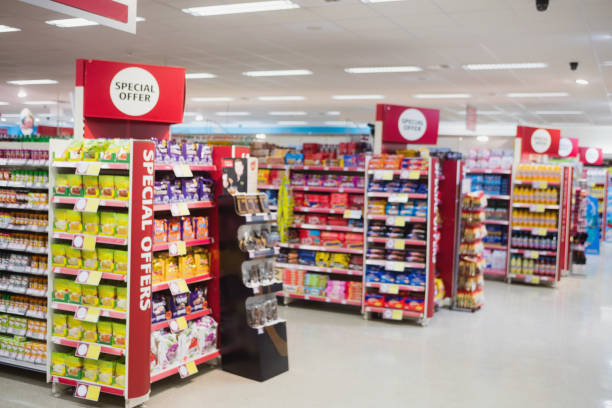
Many U.S. shoppers assume name brands are always better, but store-brand items often match or surpass the quality at a lower price. From canned goods to dairy and frozen foods, comparing taste and ingredients can reveal surprising savings. Store brands are usually made in the same facilities as national brands and must meet the same safety standards, so you’re not compromising on quality by choosing them.
Switching to store brands also helps stretch your grocery budget. Shoppers report saving 20 to 40 percent on staple items without noticing any difference in flavor or performance. Pairing store brands with sales and coupons can further maximize savings. For example, one shopper said, “I started buying my favorite cereals and pasta from the store brand, and my grocery bill dropped noticeably.” This hack encourages smart experimentation. Trying a few items at a time can reveal hidden favorites and reduce reliance on expensive brands. Over time, relying more on store brands creates more flexibility in your shopping budget. You get quality products at lower costs while keeping meals tasty and nutritious. It’s an easy strategy that fits naturally into regular shopping habits without adding stress or requiring special skills.
9. Freeze Extra Items
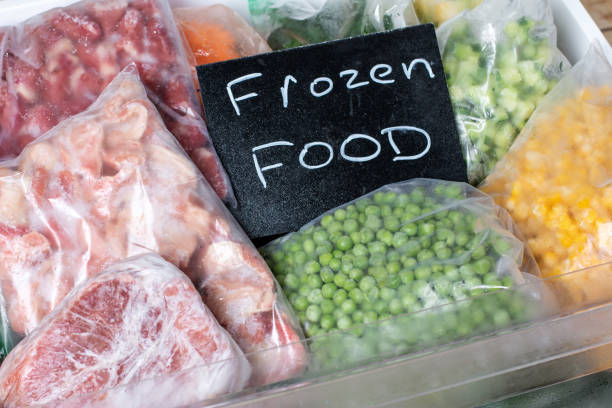
Freezing groceries is a simple but often overlooked way to save both food and money. Many perishable items, like bread, meat, cheese, and even some produce, can be frozen and used later without losing quality. For households that buy in bulk or take advantage of sales, freezing extra items prevents spoilage and reduces trips to the store, which also saves time.
Freezing also allows more flexibility in meal planning. You can portion meals, preserve seasonal produce, and store leftovers safely. Many U.S. families swear by this hack, noting that freezing items they can’t eat immediately has reduced food waste significantly. One shopper said, “I always freeze extra bread or vegetables from weekly sales, and it lasts for weeks without affecting taste.” Labeling items with the date makes it easy to rotate supplies and ensures nothing gets forgotten. This simple habit turns extra purchases into practical resources, helping both your budget and your household organization. Freezing groceries may take a few minutes, but it keeps your kitchen stocked, reduces waste, and gives you peace of mind that you can always pull out ingredients when needed. It’s a small effort that pays off week after week.
10. Use Digital Coupons and Apps

Technology makes saving money easier than ever. Most U.S. grocery stores offer apps or digital coupon programs that provide personalized deals on items you actually buy. You can clip coupons digitally, load them onto a loyalty card, or scan a barcode at checkout to receive discounts automatically. Many shoppers report saving $10 to $20 on a single trip just by checking the app before shopping.
Digital coupons also make meal planning smarter. You can search for deals in advance and adjust recipes based on what’s on sale, turning ordinary trips into money-saving opportunities. One shopper shared, “I plan my dinners around digital deals, and it makes grocery shopping much less stressful.” Apps often send notifications for flash sales, seasonal deals, and points accumulation, adding another layer of savings. Using these programs requires minimal effort and becomes second nature over time. By checking apps or digital offers before each trip, you can reduce your grocery bill, try new products affordably, and keep meals both budget-friendly and varied. Digital coupons turn routine shopping into an intentional, cost-effective, and convenient experience for U.S. households.
11. Don’t Shop Hungry

Walking into a grocery store hungry can be dangerous for your budget. When your stomach is empty, you’re more likely to grab snacks, sweets, and convenience items that weren’t on your list. Shoppers often report overspending by 20 percent when they shop hungry, simply because impulse buys feel more urgent. Having a light snack or meal before heading out keeps decisions focused and intentional.
Planning meals or snacks before shopping also helps you stick to healthier options. You’re less likely to reach for processed foods when you’re not fighting hunger, and it encourages sticking to your grocery list. One shopper noted, “I always eat a small lunch before going shopping, and I save both money and stress.” This simple step can transform your shopping habits, making trips quicker and more purposeful. It also reduces food waste because you’re buying only what you actually need for meals and snacks at home. Keeping this habit consistent ensures every grocery trip is more predictable, budget-friendly, and stress-free. Don’t underestimate how a little planning before you leave the house can make a big difference in both your wallet and your kitchen.
12. Take Advantage of Cashback Offers

Many U.S. shoppers don’t realize how much they can save by using cashback apps and credit card rewards for groceries. Apps like Ibotta, Fetch Rewards, and Rakuten provide cash or gift cards when you purchase qualifying items, and some credit cards offer extra points for grocery spending. The savings may seem small per trip, but they add up quickly over the course of a year.
Cashback programs also help you discover new products affordably. You can try a new brand or flavor without paying full price, which keeps meals interesting. One shopper said, “I saved over $50 last month just by scanning my receipts with cashback apps.” Combining these offers with sales or store loyalty programs multiplies the savings, creating a layered approach to budgeting. Keeping track of what works best for your household ensures you never miss opportunities. Using cashback programs requires minimal effort, and once it becomes routine, it feels like free money on items you were already buying. Over time, it’s a reliable and easy way to cut grocery bills while enjoying more variety in meals.
13. Buy in Bulk Smartly
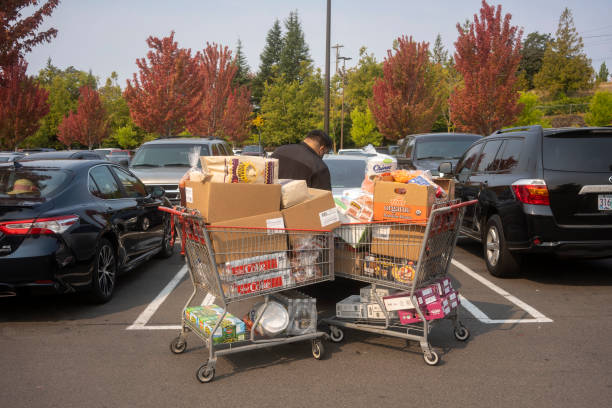
Buying in bulk can save money, but only if you’re strategic. Purchasing large quantities of staples like rice, pasta, canned goods, and frozen vegetables reduces per-unit costs and minimizes trips to the store. However, buying perishable items in bulk without a plan can lead to waste. Focus on non-perishable or freezable items to get the maximum benefit.
Bulk buying also encourages meal planning and portion control. You’ll naturally consider how much your household can realistically consume before the items spoil, which helps reduce waste. Many shoppers say, “Buying big packages of frozen chicken or canned beans has cut my grocery budget significantly.” Pairing bulk purchases with freezer storage, label tracking, and rotating items ensures long-term savings. It also saves time since you shop less frequently and always have essentials on hand. Smart bulk buying isn’t about hoarding; it’s about understanding your household’s needs, planning ahead, and taking advantage of deals while maintaining quality and freshness. Over time, this approach builds a predictable and efficient shopping routine that balances cost, convenience, and sustainability.
14. Pay Attention to Store Layouts

Grocery stores are carefully designed to guide shoppers toward higher-margin items. Placing staples like milk and eggs at the back means you walk past tempting displays, while candy and snacks often sit at eye level. Understanding these patterns helps you avoid impulse purchases and navigate more efficiently. Experienced shoppers suggest creating a mental map of your favorite store to save both time and money.
Knowing layouts also helps plan quick trips. If you organize your shopping list by sections, you can move through the store efficiently and avoid wandering the aisles. One shopper shared, “I stick to my usual path, and I rarely spend extra money or time.” Observing placement patterns gives insight into pricing strategies and promotions. You may notice end-of-aisle deals that are worth considering or recognize products that are intentionally positioned to encourage extra spending. Using layout knowledge alongside a shopping list, loyalty programs, and price comparison can make trips faster, cheaper, and less stressful. With practice, it becomes second nature, transforming grocery shopping from a random task into a mindful and efficient experience.
15. Keep a Running Pantry List
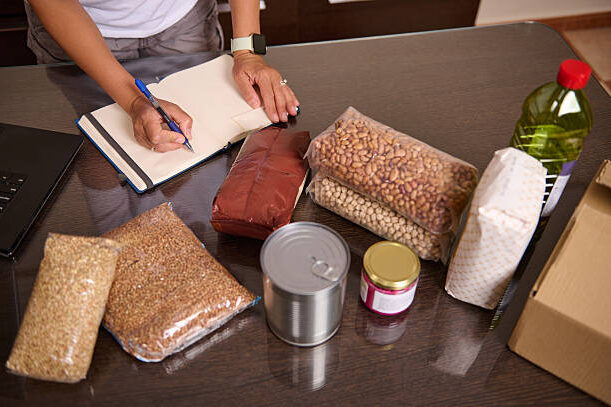
Keeping track of what’s in your pantry and fridge prevents unnecessary purchases. Many shoppers don’t realize how much they buy duplicates because they forget what they already have. A simple inventory, updated weekly or in real time via an app or notebook, ensures you only buy what you need. This saves money and reduces food waste.
A running pantry list also helps with meal planning. You can plan recipes around what’s already in stock, which encourages creativity and prevents last-minute trips to the store. One shopper explained, “Keeping a running list on my phone keeps me from buying too much of the same thing and helps me use up what I have.” It’s especially useful for bulk purchases, leftovers, and seasonal items. Maintaining a clear picture of your supplies reduces stress at mealtime, keeps grocery trips focused, and stretches your food budget further. Over time, this habit becomes automatic, allowing you to shop smarter, eat better, and reduce waste, all while keeping your kitchen organized and efficient.
16. Bring Your Own Bags

Using reusable bags is not only eco-friendly but can also help you shop smarter. Many shoppers find that having their own bags encourages them to organize their groceries efficiently and avoid overbuying. In the U.S., some stores even offer small discounts or incentives for bringing reusable bags, which adds up over time. Beyond savings, it reduces the clutter of plastic at home and supports environmentally conscious shopping habits.
Bringing your own bags also changes your mindset. You naturally think about what you need to fit in the bag, which can prevent impulse purchases and unnecessary bulk. One shopper mentioned, “I started bringing my own bags, and I noticed I was more intentional with what I bought.” Reusable bags come in different sizes and styles, making it easier to separate produce, frozen items, and pantry staples. This small habit saves money, encourages organization, and reduces environmental impact. Over time, bringing your own bags feels routine, and it’s a simple way to be mindful about shopping, budgeting, and caring for your household and the planet. It’s a tiny adjustment with long-term benefits.
17. Plan, Reflect, and Adjust

The most overlooked hack of all is reflecting on your shopping habits. After each trip, take a moment to review what worked and what didn’t. Did you stick to your list? Did you find ways to use seasonal produce or take advantage of discounts? Learning from each trip helps you plan smarter and avoid repeated mistakes.
Adjusting based on past experiences makes grocery shopping feel intentional rather than routine. Many shoppers say, “When I review what I bought last week, I notice patterns and avoid buying too much or too little.” Over time, this habit helps you balance your household needs, reduce waste, and maximize savings. Combining this reflection with loyalty programs, unit pricing, pantry lists, and timing strategies creates a shopping routine that is efficient, budget-friendly, and stress-free. The real secret is consistency every small adjustment builds toward smarter habits that stick. By planning, reflecting, and adjusting, you turn grocery shopping into a deliberate, practical, and even enjoyable part of your weekly routine.