

1. Early Morning Fresh Finds: Beat the Crowds and Snag the Deals
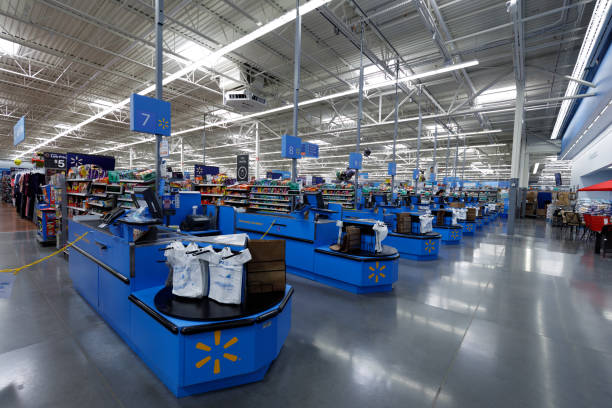
There’s something quietly satisfying about walking into a grocery store just as the doors open. The air is fresh, the shelves are neatly stocked, and for a moment, it feels like the store belongs only to you. Many shoppers overlook this time, thinking mornings are rushed or inconvenient, but that’s exactly what makes it ideal. Stores often restock overnight or in the early hours, so produce, baked goods, and even meat are fresher and sometimes discounted to move quickly before peak hours. If you’re aiming for quality and savings, early morning is often underrated.
Retail analysts note that “grocers often mark down items that are freshly stocked but close to their peak shelf life,” which means those who arrive early can pick up the best quality without paying full price. Beyond the tangible savings, there’s a mental calm that comes with it. Fewer crowds mean less stress, faster checkout, and the chance to thoughtfully browse for deals rather than rushing. It’s a gentle way to start the day and make your grocery dollars stretch further. For many, the first hour of shopping becomes less about convenience and more about strategy, making it a ritual worth considering.
2. Late Morning Leanings: Catch the Mid-Morning Markdowns
By mid-morning, the early shoppers have cleared out, but the store hasn’t yet hit the lunchtime rush. This window is often perfect for noticing subtle discounts that get overlooked in the frenzy of early stocking. Some stores strategically place markdowns around this time to encourage shoppers to pick up slightly older but still fresh items. It’s not about desperation sales; it’s about timing and observation.
Grocery experts often advise, “Look for the small tags and shelf-edge labels that signal temporary price drops, mid-morning is when these often appear.” You might stumble upon a perfectly ripe avocado, a nearly baked loaf of bread, or seasonal vegetables that are discounted just enough to feel like a win. Mid-morning shopping offers a balance of freshness and opportunity. It’s the sweet spot for those who missed the early morning but still want to maximize savings while avoiding the crush of midday traffic inside the store.
3. Lunchtime Lulls: Stealth Savings While Others Eat
It might seem counterintuitive, but heading to the grocery store around lunchtime can actually pay off. Many shoppers are taking their break, eating, or otherwise occupied, leaving aisles quieter and employees with time to adjust displays and mark down perishable items. It’s a window that’s often overlooked, but that same lull gives careful shoppers the chance to notice small but meaningful price drops.
Market insiders point out that “lunchtime discounts are often subtle, but the early birds can still miss them; attentive shoppers during the midday calm can benefit.” You’re likely to find bakery goods nearing the end of their freshness window, deli items tagged for quick sale, or produce that’s still perfectly good but flagged to move fast. Shopping during this pause in activity combines patience with observation. You get both the opportunity to save and a calmer environment that lets you browse thoughtfully instead of racing through crowded aisles.
4. Early Afternoon Essentials: Timing Your Cart for Savings

Once the lunch rush fades, the early afternoon brings another sweet spot for savvy shoppers. Stores often use this window to reorganize and rotate stock that didn’t sell in the morning. Employees might adjust pricing or move items to more visible areas, making it easier for shoppers to spot discounted essentials. It’s subtle, but for those paying attention, it’s a rhythm that can lead to extra savings.
Retail experts note, “Early afternoon is when shelf corrections happen, creating opportunities for shoppers to pick up near-expiration items at a discount.” It’s a quiet time to plan your cart strategically, perhaps choosing proteins, dairy, or pantry staples that are marked down slightly but still high quality. It’s a blend of patience, timing, and awareness, rewarding those willing to pay attention to details. Shopping in these hours often feels like being in sync with the store’s heartbeat, where calm observation leads to tangible benefits for your budget.
5. Late Afternoon Deals: When Items Nearing End of Shelf Life Drop
As the day moves toward evening, the reality of unsold perishable goods becomes a driving factor in discounts. Bakery items, fresh produce, and certain dairy products start receiving noticeable markdowns to encourage purchase before closing. Shoppers who understand this rhythm can fill their carts with quality items for a fraction of the normal price. It’s a simple strategy, but timing is everything.
Industry observers mention, “Late afternoon often triggers strategic pricing to clear shelves for the next day’s stock,” giving price-conscious shoppers an advantage. This is also a time when employees are restocking with fresh batches for the next day, meaning you can still find freshness among the reduced items. With a little observation, late afternoon shopping balances cost savings with practicality, especially if you plan to cook or consume items within a short window. The approach transforms what seems like end-of-day desperation into a savvy routine for those seeking value without sacrificing quality.
6. Early Evening Euphoria: Discounts Before the Day Ends
The period just before closing has its own charm. Stores are winding down, employees are finalizing displays, and remaining perishable items are often marked down heavily. It’s not a chaotic dash but a chance for careful shoppers to scoop up great deals, particularly on baked goods, prepared meals, or meats that need to move fast. For some, this is the most satisfying time to shop, like finding treasure at the last possible moment.
Food retail experts frequently point out, “Stores often implement end-of-day markdowns to prevent waste while still maintaining profit margins,” which benefits customers who arrive at the right moment. Shopping during early evening requires attentiveness but also rewards patience, as prices can drop substantially without compromising freshness. For those who enjoy the thrill of timing their visit and stretching their grocery budget, this window combines practicality with a quiet sense of victory. With a little planning, early evening trips can transform ordinary shopping into an effective and satisfying routine.
7. Twilight Treasure: Snagging Deals in the Early Night
As the sun dips and evening settles in, grocery stores enter a quieter rhythm. Many shoppers have returned home, leaving aisles calmer and staff focused on tidying and marking down remaining perishable items. Twilight shopping isn’t just about catching leftover deals; it’s about paying attention to what remains visible and fresh before closing. Bread, baked treats, and prepared foods often receive noticeable markdowns, making it an excellent time for those willing to explore without rushing.
Retailers often implement these early-night price adjustments to move products that would otherwise go unsold, with the dual aim of minimizing waste and clearing shelves for the next day. Industry insiders note, “Early evening discounts often coincide with staff inventory checks, giving alert shoppers the first glimpse of marked-down items.” For customers, this is a chance to pick up high-quality items for less, especially if they plan to consume them soon. Twilight shopping blends practicality with quiet observation, turning the end-of-day routine into a strategic advantage for your budget.
8. Pre-Closing Push: Last-Minute Savings

Just before stores close, a subtle rhythm emerges. Staff focus on clearing shelves, checking for perishable goods that didn’t sell during the day, and applying final discounts. This is often when the deepest reductions appear, particularly on bakery, dairy, and meat items. For shoppers who are flexible with timing, this period is perfect for stocking up on items that are still good but tagged to sell quickly.
Food marketing experts explain, “Pre-closing discounts are part of the store’s strategy to reduce waste and maintain freshness overnight.” These markdowns aren’t haphazard; they are calculated to maximize both profit and product turnover. Smart shoppers can plan dinners or next-day meals around these discounts, enjoying the thrill of getting premium items at a fraction of the price. It’s a quiet, end-of-day opportunity that rewards patience and attentiveness, proving that timing really is everything when it comes to grocery shopping.
9. Weekend Early Birds: Saturday Morning Advantage
Saturday mornings bring a unique energy to grocery shopping. While many families tend to wait until later in the day, arriving early often means access to freshly stocked items and less crowded aisles. Seasonal produce, bakery goods, and meats are particularly plentiful during this window. Beyond convenience, shopping early allows for strategic selection, especially for weekly staples or sale items.
Market analysts suggest, “Early weekend shoppers often find better-quality items before crowds pick them over.” Retailers know this rhythm and sometimes schedule staff for restocking and temporary promotions specifically to cater to the early birds. Those who embrace this timing often feel a sense of calm and efficiency, walking through aisles without the stress of crowded carts or empty shelves. Saturday morning becomes not just a routine errand, but a smart strategy for both freshness and savings.
10. Sunday Midday Calm: Leisurely Deals

Sundays often feel slower, and for grocery stores, that means a different shopping rhythm. Midday tends to be quieter as many families have already completed their early morning errands or are at lunch. For observant shoppers, this is a sweet spot for discovering markdowns on items that have been sitting on shelves since the previous day. It’s less frantic, giving time to consider options, compare prices, and pick the best-quality items.
Retail observers note, “Stores often adjust pricing mid-Sunday to balance leftover stock from Saturday and the incoming week’s supply.” This makes the midday hours excellent for shoppers looking to maximize both choice and value. It’s a window where leisure meets opportunity, allowing for thoughtful selections without the pressure of crowds. Taking advantage of this calm can turn an ordinary Sunday errand into a quietly rewarding experience.
11. Sunday Evening Sweep: Clearance Before the New Week

As Sunday winds down, stores prepare for Monday restocking. This often means deep markdowns on perishables, ready-to-eat meals, and bakery items. For budget-conscious shoppers, Sunday evening is like the last call for savings, offering opportunities to pick up quality items at reduced prices while still fresh. Timing is key; arriving too late might mean missing the best deals, but arriving strategically allows shoppers to get high-value items without overspending.
Industry sources report, “Late Sunday discounts help stores manage inventory ahead of the new week while rewarding alert shoppers.” It’s a rhythm that encourages patience and planning. Shoppers who understand this timing often structure their week around these markdown windows, making Sunday evenings not just convenient but smart for stretching a grocery budget. It’s also a chance to experiment with fresh items that might otherwise seem out of reach during peak hours.
12. Early Monday Advantage: Start Fresh, Save More
Many people dread grocery shopping on Mondays, thinking the store might be understocked. However, early Monday mornings can be surprisingly fruitful. Overnight restocks often leave shelves fully replenished with produce, dairy, and fresh bakery items, and stores may feature early-week promotions to encourage shopping before the weekday rush. For those who can adjust schedules, Monday mornings offer a combination of freshness, choice, and the occasional price incentive.
Retail analysts explain, “Early-week shopping often coincides with promotional cycles, giving shoppers access to fresh items and targeted discounts.” This timing rewards those who plan ahead, allowing them to grab both staples and specialty items before crowds arrive. For people who enjoy an organized shopping experience, early Monday trips transform a mundane errand into a deliberate, efficient, and cost-conscious strategy, setting a positive tone for the week ahead.
13. Mid-Morning Magic: Catching Fresh Restocks

By mid-morning, the initial rush of early shoppers has settled, and stores often take the opportunity to restock popular items. This is especially true for fruits, vegetables, and baked goods. Walking through aisles at this time can feel calm and satisfying, with neatly arranged shelves and a clear view of all options. It’s a rhythm that rewards those who enjoy both selection and quality without having to navigate heavy crowds.
Retailers note that “mid-morning restocks often align with delivery schedules, ensuring fresh items are front and center.” For shoppers, it’s an ideal window to find the best produce or take advantage of early promotions before midday sales adjustments. The atmosphere feels more relaxed, allowing shoppers to browse thoughtfully. Mid-morning becomes more than a time to shop; it’s a sweet spot where convenience, quality, and potential savings intersect.
14. Lunch Hour Lull: Snagging Deals Quietly
Many people skip grocery shopping during their lunch breaks, leaving stores less crowded than during peak hours. This creates a small, quiet window to explore markdowns and specials that are already visible but not yet noticed by the majority. Lunch-hour shoppers often move more slowly and strategically, noticing products that may have slipped under the radar in busier times.
Market insiders suggest that “midday lulls provide savvy shoppers an advantage, especially on prepared foods and perishables.” Stores often adjust pricing slightly as the day progresses, making it a good time to spot deals that didn’t sell earlier. This quiet period allows shoppers to plan meals and take advantage of discounts without the stress of competing carts, turning what seems like a short break into a productive and rewarding shopping session.
15. Afternoon Alley: Clearing Out the Day
Late afternoon is when stores begin thinking about evening traffic and preparing for end-of-day markdowns. Perishables that haven’t moved, such as bakery items, meat, or dairy, start receiving small but noticeable reductions. For observant shoppers, this is a chance to pick up high-quality goods at lower prices before the final evening sweep.
Experts note that “afternoon adjustments are often part of inventory management to reduce waste while keeping shelves ready for evening shoppers.” Timing here is key; arriving too early may mean missing discounts, while too late may leave less selection. Those who understand this rhythm can plan meals around these bargains, creating savings without sacrificing freshness. The afternoon window quietly rewards patience and awareness.
16. Late Afternoon Surprise: Sweet Deals Before Dinner
As the afternoon fades toward evening, stores actively adjust prices on items that need to move. Prepared foods, bakery goods, and deli items are often tagged with temporary discounts to encourage last-minute purchases. For families or individuals who plan ahead, this period can be a golden opportunity for savings while still accessing fresh, quality items.
Retail observers explain that “late afternoon discounts are strategically timed to match customer behavior and reduce spoilage.” Shoppers who take advantage often leave with a mix of essentials and treats at lower prices. This timing teaches a simple lesson: being observant and flexible pays off. What feels like a random errand can turn into a strategic, cost-conscious habit.
17. Evening Ease: Quiet Browsing Before Close

Evening shopping has its own rhythm. The store is calmer, shelves are neat, and markdowns are more visible. For those who enjoy taking time to browse, evening provides both a relaxing experience and a chance to discover deals that were missed earlier in the day. It’s a rhythm that blends practicality with a bit of quiet enjoyment.
Retail professionals note, “Evening shoppers often benefit from targeted discounts on perishable items and specials nearing their sell-by date.” This period rewards those who are patient and observant, making the grocery experience feel less hurried. Evening becomes more than a chore, it’s an opportunity to save money while picking quality items without the stress of crowds.
18. Night Owl Advantage: Final Deals Before Closing

Stores often apply their deepest discounts just before closing. Bakery, dairy, and prepared foods receive markdowns, making it a strategic time for those willing to shop late. It’s also a quieter period, giving shoppers room to move and make deliberate choices. Timing here can stretch a grocery budget significantly while still maintaining quality.
Experts observe that “closing-time markdowns are part of inventory management and reward flexible shoppers.” Those who plan around this window often combine it with meal prep strategies, ensuring that nothing goes to waste and every penny counts. It’s a gentle reminder that shopping can be both practical and strategic, and that paying attention to the rhythms of the store can make even a routine task feel smart and satisfying. By understanding these timing patterns, shoppers can transform everyday grocery trips into simple wins for their wallet and household planning.