
1. Pantry Staples That Save Big

When it comes to pantry staples like rice, pasta, and flour, you might be surprised how much you can save by choosing store brands. Many people automatically reach for familiar national brands without realizing the store alternative is often made in the same facilities, sometimes even by the same manufacturers. Buying a 5-pound bag of rice or a box of elbow macaroni under the store label can save you a few dollars every month, which adds up over time, especially if you cook at home often. And while the packaging might look simpler, the taste and texture rarely differ. I’ve tried switching to store brand pasta for my weekly spaghetti nights, and no one noticed the difference at the dinner table, yet my grocery bill felt a little lighter.
Another reason store brands shine for pantry staples is their consistent quality at a lower price. Many stores pride themselves on matching or even exceeding national standards. For families on a budget or anyone who loves to stock up, grabbing store brand sugar, flour, or oats is an easy win. The next time you’re filling your pantry, give the store brand a try—you might be surprised how quickly the savings add up without sacrificing flavor or freshness.
2. Breakfast Cereals That Make Cents

Mornings can be hectic, and a quick bowl of cereal is often the go-to breakfast. Store brands of popular cereals like cornflakes, rice puffs, or even cinnamon options can taste just as good as the big-name versions while costing significantly less. I once compared my usual sugary cereal to the store alternative, and honestly, it was hard to tell the difference. The crunch, the sweetness, and even the portion size were nearly identical. For households with kids who gobble up cereal every morning, switching to store brands can free up a surprising chunk of the monthly budget.
The convenience factor is another bonus. Many store brands offer the same box sizes and even resealable packaging as name brands, so there’s no compromise on usability. Experts also note that manufacturers of store brand cereals are usually required to follow the same nutritional standards as national brands, which means you’re still getting the vitamins and minerals promised on the box. Over time, swapping your morning cereal for a store brand version can feel like a small change, but it’s one that gently nudges your grocery spending downwards without any noticeable difference in taste or satisfaction.
3. Dairy Delights That Don’t Break the Bank
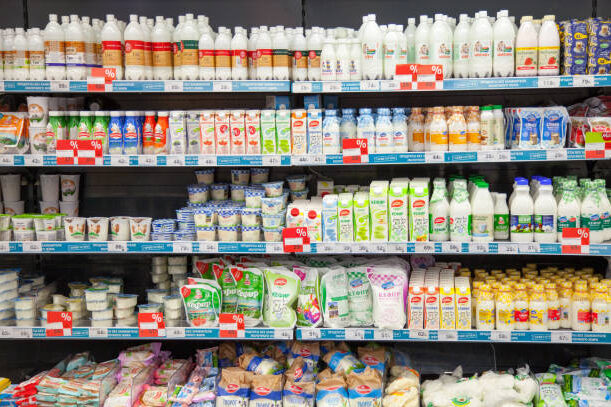
Milk, yogurt, and cheese are essentials in many homes, but they’re also some of the pricier items at the grocery store. Choosing the store brand versions can help cut costs without any compromise in flavor or texture. I remember buying my usual block of cheddar only to realize the store brand tasted just as sharp and creamy for a fraction of the price. From Greek yogurt cups to shredded mozzarella for weeknight tacos, store brands deliver nearly identical quality while trimming the grocery bill. This is especially useful if you like to keep several dairy items on hand, as the savings multiply quickly.
Another hidden advantage is that store brands often have similar ingredient lists to the national brands, including probiotics in yogurts or fortified vitamins in milk. The only difference is the label design, which might be plainer but doesn’t affect the product itself. Many nutritionists even point out that store brands can be a smarter choice for families who prioritize value without wanting to compromise health. By swapping out your usual dairy items, you’ll quickly notice the difference in your wallet while keeping all the flavor you’ve come to love in your meals.
4. Snack Time Savings

Snacks can sneakily add up in your grocery bill, whether it’s chips, pretzels, or granola bars. Store brands often provide a nearly identical taste at a fraction of the cost. For instance, I swapped my favorite salted chips for a store brand version and was shocked at how indistinguishable they were during movie night. The crunch, the saltiness, and even the packaging size mirrored the national brand. When you buy snacks in bulk or for parties, the store brand option becomes an easy way to maintain the same fun experience without overspending.
Another bonus is that many store brands are transparent about their ingredients, often matching or even simplifying recipes for those who want fewer additives. From trail mix to sweet treats, the difference is often purely cosmetic brand logos versus simple labeling. The small savings on each snack might seem minor, but across several trips, it becomes noticeable. Swapping your chips, pretzels, and bars for store brands can feel like a subtle shift, but your budget will quietly thank you. Next time you reach for a snack, consider giving the store brand a try you might find yourself enjoying the same treats for less money.
5. Baking Essentials Without the Premium

Baking supplies like vanilla extract, chocolate chips, and baking powder are another place where store brands shine. These items often carry a premium when purchased under name-brand labels, but the store versions are surprisingly consistent in quality. I recently tried a store brand chocolate chip cookie recipe and found that the dough behaved the same way, baked to golden perfection, and tasted just as sweet. When you’re making multiple batches of cookies or cakes, those savings really add up over time.
Store brand baking essentials are typically made with the same chemical and flavor standards as national brands, meaning you won’t compromise on the texture or taste of your desserts. Many home bakers also report that switching doesn’t change how their recipes turn out, which makes it an easy, low-risk swap. For anyone who enjoys experimenting with recipes or baking for family and friends, these subtle savings can be quite meaningful. Over time, using store brand baking products can feel like a small lifestyle tweak, but it’s one that quietly stretches your grocery dollars without altering the joy of homemade treats.
6. Canned Goods That Keep Cash in Check

Canned vegetables, beans, and soups are pantry lifesavers, especially for quick weeknight meals. Choosing store brand canned goods is often the easiest way to cut costs without losing flavor. I remember comparing a can of diced tomatoes from a national brand to the store version, and honestly, the taste was identical when added to pasta sauce. The texture, seasoning, and consistency all matched, yet the store brand cost nearly half as much. This makes a noticeable difference if you use multiple cans each week in chili, soups, or casseroles.
Many nutritionists point out that store brand canned goods follow the same federal standards as name brands, including sodium content and nutrient retention. Some even have slightly shorter ingredient lists, which is a subtle bonus for anyone looking to avoid unnecessary additives. Over time, regularly choosing store brands for your canned goods can become a small but reliable way to manage your grocery spending. Whether you are stocking up for meal prep or simply need quick ingredients on hand, the store brand option delivers the same convenience and flavor while gently easing the pressure on your budget.
7. Condiments That Spread Savings

Ketchup, mustard, mayonnaise, and salad dressings often carry higher price tags when bought as national brands, yet store versions taste just as good. I switched to a store brand ketchup for my weekly burger nights, and no one noticed the difference in flavor or thickness. The only change was a lighter bill at checkout. Condiments are items many people use daily, and the savings multiply over time without any compromise in quality or convenience.
Another advantage is that many store brand condiments offer the same packaging, serving sizes, and even promotional bundles as their national counterparts. Some store brands have fewer preservatives and simpler ingredient lists, which makes them appealing for families who prioritize transparency. Switching to store brands for your everyday condiments is a subtle adjustment, but one that quietly keeps money in your pocket. By gradually replacing your pantry condiments with store versions, you can enjoy the same meals, the same flavors, and the same routines, all while spending less without feeling like you’re sacrificing anything.
8. Frozen Favorites Without the Premium

Frozen vegetables, fruits, and ready-to-eat meals are convenient, but they don’t have to come with a high price tag. Store brand frozen foods often match national brands in both taste and quality. I once replaced my usual bag of frozen broccoli with a store brand and noticed no difference in texture after steaming. Frozen fruit for smoothies or baking also tasted just as fresh, and the savings were immediate. For families who rely on frozen items to save time, store brands make it easier to stick to a budget without compromising convenience.
Frozen meals like lasagna or pot pies are another area where store brands shine. They often have similar portion sizes, cooking instructions, and flavor profiles as national brands, so your family dinners remain consistent. The savings can be significant over time, especially if you buy frozen foods in bulk or plan weekly meals around them. Choosing store brands for frozen favorites is a simple, low-risk way to reduce grocery spending without changing the meals your family enjoys. With these swaps, you can get the convenience you love while keeping your budget intact.
9. Beverages That Balance Taste and Cost

Juices, iced teas, and even bottled water can become surprisingly expensive if you stick with national brands. Store brand beverages often taste just as refreshing while costing less. I switched my morning orange juice to the store brand and found the flavor equally bright and sweet, yet my grocery bill dropped noticeably. For families who drink juice daily or enjoy a quick cold beverage, these savings add up over time without sacrificing quality or flavor.
Many store brand beverages follow the same production standards as national brands, including vitamin fortification and quality control. Some even have less sugar or sodium in line with nutritional guidelines. Switching to store brand drinks is a simple choice that keeps your fridge stocked without breaking the budget. Over time, making these small swaps for beverages quietly stretches your grocery dollars and ensures you still enjoy the same taste and convenience. It’s a gentle way to be smart with money while keeping your household refreshed and happy.
10. Baking Mixes That Rise to the Occasion

Pancake mix, muffin mix, and brownie mix are staples for quick baking, and store brands often deliver nearly the same results for less. I swapped my usual pancake mix for a store brand one weekend, and the pancakes were fluffy, golden, and just as tasty. The mix worked with the same milk and eggs, and the only noticeable difference was a lighter grocery bill. For families who enjoy weekend baking or need quick treats for busy mornings, store brand mixes make it easy to enjoy homemade food without overspending.
Store brand baking mixes often have the same ingredient ratios, leavening agents, and flavor profiles as national brands. Some even simplify their labels, which can be appealing if you prefer fewer additives. Switching to these mixes is a low-effort way to reduce costs while keeping your baking consistent. Over time, the small savings from pancakes, muffins, or brownies adds up, making store brand mixes a smart and practical choice. By choosing store brands, you can still enjoy the satisfaction of baking while keeping your budget in check and your family happy.
11. Coffee That Brews Savings

Coffee is a daily ritual for many, and the price of national brands can add up quickly. I started trying store brand coffee and discovered the taste was just as rich and aromatic as my usual brand. Whether it’s ground coffee for the drip machine or whole beans for a French press, store brands often match the flavor profile and strength of the more expensive options. Making this switch allowed me to enjoy my morning cup without feeling guilty about the cost, and over a month, the savings were significant.
The convenience of store brand coffee is another plus. Many stores offer similar packaging sizes, resealable bags, and even single-serve pods in their brand line. Some store brands also emphasize fair sourcing or organic options, just like national brands, which makes the choice feel responsible as well as economical. For coffee lovers, switching to store brand blends can become a seamless part of the morning routine while gently easing the grocery budget. Over time, these small changes create a noticeable difference, letting you enjoy the same comforting beverage at a fraction of the cost.
12. Pasta Sauces That Keep Dinner Simple

Pasta sauce is a kitchen staple, and store brands often provide the same flavors at a lower price. I compared my favorite marinara to a store brand version, and the taste was just as rich with a similar balance of herbs and spices. The texture, thickness, and aroma all felt familiar, making the swap nearly invisible to anyone eating at the table. For families who cook pasta regularly, this small switch quickly adds up without compromising dinner quality.
Store brand sauces often use the same ingredients as national brands, including tomato puree, olive oil, and seasonings. Some even offer organic or reduced-sodium versions, giving you more control over flavor and nutrition. Choosing store brands for pasta sauce is an easy way to manage grocery costs without sacrificing convenience or taste. Over time, swapping out jar after jar allows you to enjoy family meals with the same familiar flavors while keeping more money in your pocket for other essentials or occasional treats.
13. Snacks for Kids That Don’t Cost a Fortune

Snack time is a big part of any household with kids, and the price of packaged snacks can quickly add up. Store brand crackers, fruit snacks, and granola bars often taste just as good as the name brands but cost significantly less. I swapped my child’s usual crackers for the store brand, and the kids didn’t even notice the difference. The size, crunch, and flavor were all the same, but my wallet felt lighter. When you buy snacks regularly, the savings can be surprisingly large over the course of a month.
Many store brands are also transparent about ingredients, making it easier to avoid unnecessary additives or excess sugar. They often match or exceed the nutritional standards of national brands, which is reassuring for parents. Choosing store brand snacks allows you to maintain your usual snack routine while quietly reducing spending. Over time, these small adjustments help stretch the grocery budget and make everyday snacking feel just as satisfying without the premium price.
14. Cooking Oils That Keep Your Pantry Full
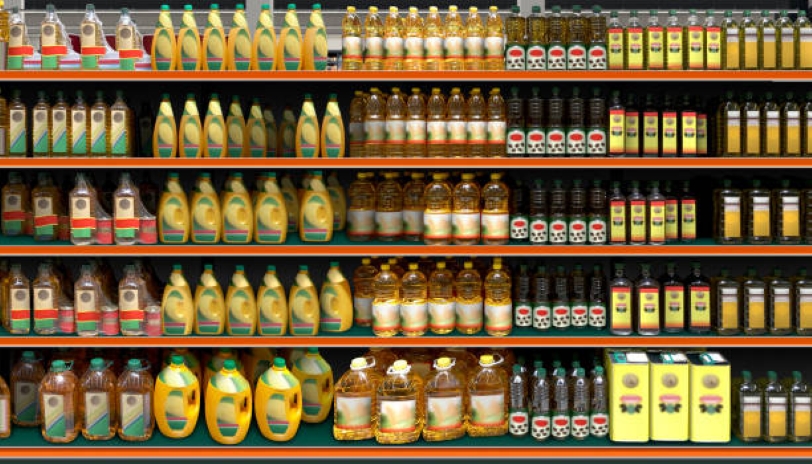
Olive oil, vegetable oil, and canola oil are used in so many dishes that the price of national brands can really add up. I switched to a store brand olive oil for my sautéing and salad dressings, and I noticed no difference in flavor or cooking results. The aroma, richness, and texture remained the same, but the price tag was much friendlier. For anyone who cooks regularly, these savings can accumulate quickly over time without impacting the quality of meals.
Many store brand oils meet the same quality standards as national brands, including labeling for extra virgin or cold-pressed varieties. Some store brands even offer organic options that match the standards of the pricier alternatives. Switching to store brand oils is an easy way to reduce grocery spending without compromising the flavors that make your dishes memorable. Over time, these swaps become second nature and help you stretch your grocery dollars while keeping your pantry stocked with all the essentials.
15. Spices That Keep Flavor Without the Price

Spices can elevate any dish, but national brands often carry higher prices for small jars. Store brand spices, from cinnamon to paprika, deliver the same aroma, flavor, and freshness at a lower cost. I replaced my usual brand of black pepper with the store version and found that the flavor in my cooking was identical. Whether sprinkling over roasted vegetables or mixing into sauces, the difference was barely noticeable, yet the savings were clear at checkout. For anyone who cooks regularly, store brand spices are an easy win for both flavor and budget.
Store brand spices often come in the same size containers and packaging as national brands, making the switch seamless. Many are sourced with the same quality controls, and some even provide organic options. Choosing store brand spices allows you to maintain your favorite flavors while keeping grocery spending in check. Over time, these small swaps make a real difference, letting you enjoy meals that taste just as good without the extra cost. Using store brands in your kitchen is a simple way to get flavor, consistency, and savings all in one.
16. Baking Sugars That Sweeten the Deal

Sugar is one of those pantry essentials that can feel surprisingly expensive when bought as a name brand. Store brand granulated sugar, brown sugar, and powdered sugar offer the same sweetness and texture for much less. I switched to a store brand brown sugar for my weekend cookie baking, and the results were identical. The flavor, moisture, and consistency all matched my previous brand, yet the cost was noticeably lower. For anyone who bakes often or enjoys sweet treats at home, store brand sugar is a simple swap that quietly saves money while keeping all the recipes just as delicious.
Beyond cost savings, many store brands package sugar in familiar sizes and keep it just as fresh with resealable bags or sturdy containers. Some even include organic options or specialty sugars for baking projects. Switching to store brand sugar requires no change in how you measure, mix, or bake, but it makes a real difference in your grocery budget over time. By replacing your usual sugar with the store version, you maintain the same sweet results and reduce spending at the same time. It’s an easy and practical step for anyone who loves baking without paying a premium.
17. Peanut Butter That Packs Value
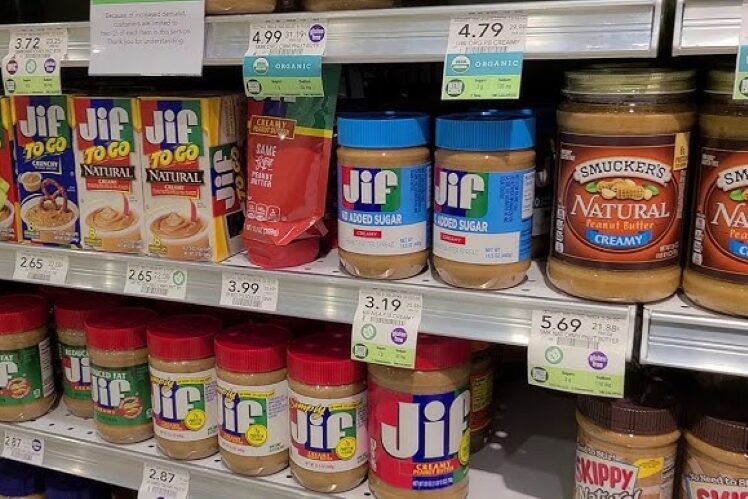
Peanut butter is a staple for sandwiches, snacks, and even desserts, and the store brand options often taste just as creamy or crunchy as national brands. I swapped my usual jar for a store brand and noticed the flavor and texture were just as satisfying. The spreadability and nutty taste were identical, and the price difference was enough to make it worth the switch. For families or anyone who uses peanut butter frequently, choosing store brand can add up to a surprisingly large monthly saving.
Many store brands of peanut butter also meet the same nutrition standards as national brands, including protein content and minimal additives. Some even offer natural or no-sugar-added versions, giving you healthy options without extra cost. Switching to store brand peanut butter is a seamless change in your kitchen that keeps your meals, snacks, and recipes tasting the same while quietly trimming grocery expenses. Over time, these small swaps make a noticeable difference in your budget while still keeping your favorite spreads on the table.
18. Beans That Stretch Your Dollar

Dry pasta and dried beans are the backbone of many weeknight meals, and store brands provide the same quality at a fraction of the price. I replaced my usual brand of penne and black beans with the store alternatives, and the cooking results were just as reliable. The pasta held its shape perfectly, and the beans softened beautifully after soaking. The flavor, texture, and versatility were unchanged, yet the savings added up over multiple meals. For anyone who regularly cooks pasta dishes or beans in soups, stews, or chili, store brands make it easy to keep costs down without sacrificing quality.
Many store brands even offer bulk sizes, which makes them perfect for families or anyone looking to stock the pantry. Over time, these small, consistent swaps across pasta, beans, and other staples quietly free up more money for fresh produce, treats, or other essentials. The lesson is clear choosing store brands doesn’t mean giving up flavor or quality; it simply means being smarter with your grocery spending. If you haven’t tried switching to store brands yet, start with one or two items this week and watch the savings quietly grow. Your wallet will thank you, and your meals will stay just as satisfying.