

1. Aldi: Where Simplicity Keeps Prices Low

Walking into Aldi feels a little different from what you might be used to, and it’s something you notice almost immediately. The shelves are simpler, the layout is more compact, and there’s less of the visual noise that often comes with larger supermarkets. At first, it might even feel like there aren’t enough options, but after a few visits, you begin to understand the intention behind it. Retail analysts often explain that “Aldi keeps prices low by limiting product variety and focusing on private-label brands,” and once you see it, it becomes hard to ignore.
What makes Aldi especially appealing for budget shoppers is how consistent that simplicity is. You’re not constantly comparing prices or second-guessing your choices, because most of what you see is already positioned as a better deal. Over time, you start to trust the store brands, realizing that many of them offer quality that feels just as reliable as more expensive alternatives. And because the store avoids unnecessary extras like elaborate displays or excessive staffing, those savings show up directly in your total.
2. Walmart: Everyday Value That Adds Up
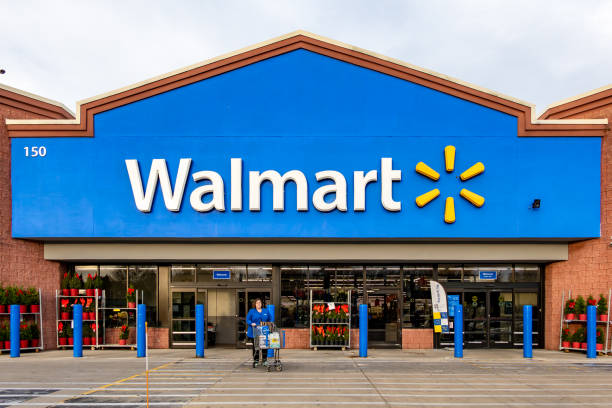
There’s something steady and predictable about shopping at Walmart, and that consistency is part of what makes it such a strong option for budget shoppers. You walk in knowing you’ll find a wide range of products, from groceries to household essentials, all in one place. It doesn’t try too hard to impress you with presentation, but it quietly delivers where it matters. Grocery pricing reports often note that “Walmart’s scale allows it to negotiate lower prices and pass savings on to customers,” and that advantage shows up across multiple categories.
What really makes Walmart work over time is how those small savings build up across your entire cart. It’s not always about dramatic discounts or flashy deals, but about steady, reliable pricing that doesn’t fluctuate too much. You don’t feel like you have to time your visit perfectly to get value, which takes some pressure off your routine. And because you can shop for so many things at once, it reduces the need for multiple trips, which indirectly saves both time and money.
3. Lidl: Quietly Competitive and Consistent
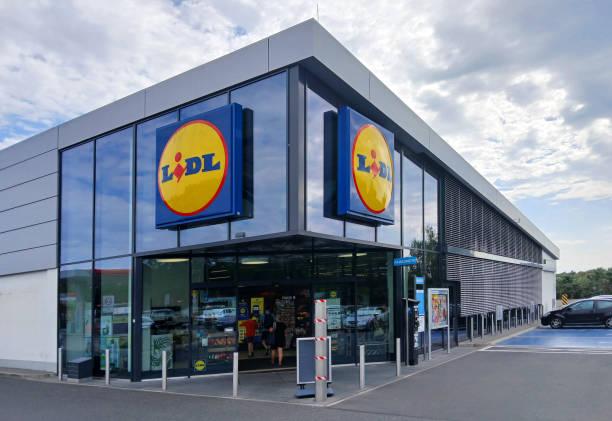
Shopping at Lidl often feels like discovering a store that doesn’t try too hard to announce itself, yet still delivers strong value. It shares some similarities with Aldi, but has its own quiet rhythm. The layout is straightforward, the selection is curated, and there’s a noticeable focus on affordability without overwhelming you with too many choices. Market insights often mention that “Lidl competes aggressively on price by offering a curated selection of private-label products,” and that approach becomes clearer the more you shop there.
What makes Lidl stand out is how it manages to balance practicality with a small sense of discovery. Alongside your regular grocery items, you might come across something slightly different, a seasonal product or a specialty item that adds a bit of variety to your routine. And yet, the pricing remains grounded enough that you don’t feel like you’re stepping outside your budget. Over time, it becomes a store you rely on for both essentials and the occasional change, without feeling like you’re overspending.
4. Costco: Bulk Buying That Works Over Time

Shopping at Costco often requires a slight shift in how you think about groceries. It’s not about buying just what you need for the week, but about planning a little further ahead. At first, the larger quantities and upfront costs might feel like a lot, but over time, the value becomes clearer. Financial experts often note that “buying in bulk reduces cost per unit, especially for non-perishable goods,” and that principle shows up strongly here. Items you use regularly, from pantry staples to household essentials, tend to last much longer when purchased this way, reducing how often you need to restock.
What makes Costco worthwhile is how those decisions play out over time rather than immediately. You spend a bit more in one trip, but you shop less frequently, and that balance begins to work in your favor. It’s especially helpful for households where certain items are used consistently, because the savings become more noticeable with regular use. There’s also a sense of structure that comes with it, you plan better, store more intentionally, and rely less on last-minute purchases.
5. Trader Joe’s: Affordable Finds That Feel Special

There’s something about walking into Trader Joe’s that feels a little more relaxed than the usual grocery run. The store isn’t overly large, and the selection feels carefully chosen rather than overwhelming. Over time, you begin to notice that many of the items are store-branded, which isn’t accidental. Retail insights often point out that “Trader Joe’s keeps prices competitive by focusing heavily on private-label products.”
What makes this store stand out for budget shoppers is how it balances cost with a sense of quality. You’re not just buying cheaper items, you’re buying things that feel thoughtfully made. And because the pricing is generally consistent, you’re less likely to be surprised at checkout. It becomes one of those places you trust for both everyday items and small treats, without feeling like you’re stretching your budget. That quiet consistency is what keeps people coming back.
6. Kroger: Savings That Reward Loyalty
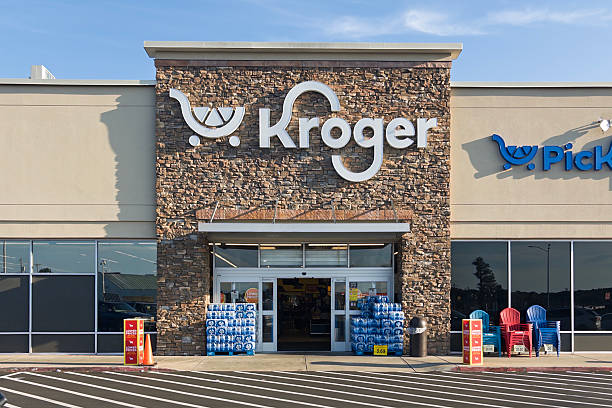
Shopping at Kroger often feels like something that gets better the more you stick with it. At first, it might seem like a regular grocery store with fairly standard pricing, but over time, the value begins to reveal itself through its loyalty system. You scan your card or input your number almost without thinking, and gradually, those small discounts begin to stack up. Retail insights often point out that “loyalty programs encourage repeat visits by offering personalized discounts and fuel rewards,” and that’s exactly how it plays out here. You’re not just shopping, you’re slowly building up savings that show up in places you didn’t initially expect, especially at checkout or even at the fuel pump.
Instead of generic discounts, you start seeing offers that match your actual buying habits, items you already purchase regularly. That subtle personalization makes the experience feel less like a promotion and more like a quiet reward for consistency. Over time, it becomes easier to plan your shopping around those deals, picking up essentials when they’re discounted and skipping unnecessary spending. It’s not about dramatic price cuts in a single trip, but about a system that works steadily in the background.se
7. Target: Budget Shopping with a Bit of Comfort

Shopping at Target can feel like a mini victory for budget-conscious shoppers. From the moment you walk in, the layout is designed to make essentials easy to find while sprinkling in a few tempting extras. What makes Target stand out, however, is the combination of everyday low prices and the occasional “Cartwheel” or digital coupon deals that quietly add up. Experts note, “Target leverages its app and loyalty programs to offer personalized savings that often exceed in-store promotions,” and that’s exactly how savvy shoppers end up stretching their budgets further.
Essentials like pantry staples, cleaning products, or basic toiletries are priced to compete with local grocery stores, while seasonal or specialty items might tempt you into extras, but if you plan, those can be taken advantage of strategically. Over time, shoppers notice that budgeting here isn’t about clipping a million coupons; it’s about knowing when and where the deals appear and layering them with the loyalty system. That combination of convenience, consistent pricing, and subtle savings makes Target a favorite stop for families and individuals looking to maximize value without feeling stressed.
8. Amazon Fresh: Convenience Meets Competitive Pricing

Shopping through Amazon Fresh feels a bit different from the traditional store experience. You’re browsing from your phone or laptop, adding items to your cart at your own pace. And while convenience is the obvious benefit, there’s also a pricing advantage. Market reports often state that “online grocery platforms like Amazon Fresh use dynamic pricing and promotions to stay competitive.”
What makes Amazon Fresh appealing is how it fits into a busy routine. You’re able to compare prices quickly, spot deals, and avoid impulse buying that often happens in physical stores. Over time, that control can lead to better spending habits. It’s not just about saving money, but about shopping with more intention. And sometimes, that shift in how you shop makes just as much difference as where you shop.
9. Publix: Where Strategic Shopping Makes the Difference

There’s something familiar and almost comforting about walking into Publix. At first glance, it might not immediately strike you as the cheapest option, but over time, you begin to notice a pattern. The real value often sits in the promotions, especially the well-known buy-one-get-one offers. Retail observations often point out that “Publix shoppers save significantly by planning purchases around weekly promotions and BOGO deals.” What makes Publix work for budget shoppers isn’t necessarily the base pricing, but how you approach it.
If you walk in without a plan, you might spend more than expected. But if you take a little time to check the weekly deals and align your shopping with them, the savings become surprisingly noticeable. It becomes less about impulse buying and more about timing. Over time, that shift changes how you view grocery shopping altogether. There’s also a certain consistency in the quality that makes those deals feel worthwhile. You’re not just buying something because it’s cheaper, you’re buying something you’ll actually enjoy using.
10. Safeway: Weekly Deals That Shape Your Cart

Shopping at Safeway often feels like working with a quiet system that rewards attention. It’s not always about the lowest price on every item, but about how the store rotates its deals throughout the week. Grocery pricing insights often mention that “Safeway’s promotional cycles encourage shoppers to plan purchases around discounted items.” What makes Safeway stand out is how it subtly guides your decisions. You walk in with a general idea of what you need, but the weekly deals gently influence what ends up in your cart.
Over time, you start to notice patterns, certain items go on sale regularly, and if you’re paying attention, you can time your purchases around them. It’s not complicated, but it does require a bit of awareness. There’s also something reassuring about that predictability. You begin to trust that if you don’t buy something this week, it will likely come around again. That reduces the pressure to overspend in the moment.
11. Whole Foods Market: Value Hidden in Store Brands

At first mention, Whole Foods Market might not seem like a place for budget shopping. It has a reputation for being more premium, and that perception isn’t entirely unfounded. But if you spend a little time exploring, you begin to notice where the value actually sits. Industry insights often note that “Whole Foods’ private-label line offers more affordable alternatives to its higher-priced specialty items.” What makes this store interesting is that the savings aren’t always obvious at first glance.
You have to look a little closer, compare options, and lean into the store brands rather than the more expensive labels. Once you do that, the pricing starts to feel more reasonable. It’s less about buying everything there and more about knowing what to buy there. There’s also a certain quality standard that comes with the products, which adds another layer of value. You’re not just paying for a name, you’re often getting something that meets specific sourcing or ingredient standards.
12. WinCo Foods: Low Prices Without the Extras
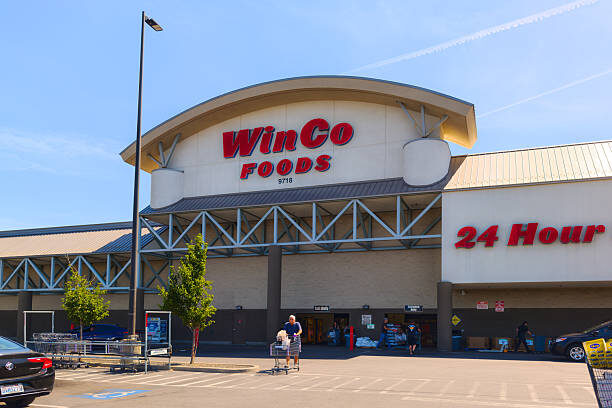
Walking into WinCo Foods feels refreshingly straightforward. There’s less emphasis on presentation and more focus on keeping prices down. You won’t find too many flashy displays or elaborate setups, and that’s intentional. Retail analysts often explain that “WinCo reduces costs by cutting overhead expenses and passing the savings directly to customers.” What makes WinCo stand out is how clearly that approach shows up in your total bill. You’re not paying for unnecessary extras, and that simplicity reflects in the pricing.
There’s also something grounding about the experience. It brings grocery shopping back to its basics, choosing what you need at a fair price without too many distractions. And while it might not feel as polished as other stores, the value is hard to ignore. For many shoppers, that trade-off feels more than worth it. It’s a reminder that sometimes, less really does lead to more, especially when it comes to staying within budget.
13. Food 4 Less: Straightforward Savings Without Distractions

Shopping at Food 4 Less feels a bit like getting straight to the point. There’s not much in the way of decoration or elaborate displays, and that’s part of the appeal. The store focuses on keeping prices low rather than creating a polished shopping experience. Retail insights often note that “no-frills grocery stores reduce operational costs, allowing them to offer consistently lower prices.” What makes Food 4 Less stand out is how clear everything feels. You walk in knowing exactly what you’re there for, and you’re less likely to get sidetracked by things you didn’t plan to buy.
There’s also a certain consistency in the pricing that builds trust. You don’t have to rely heavily on sales or promotions to get a good deal, the baseline prices already work in your favor. And that makes a difference when you’re trying to manage your spending week after week. It’s not about making grocery shopping exciting, it’s about making it practical, and in that sense, it does exactly what it needs to do.
14. H-E-B: Local Value That Feels Thoughtful

Shopping at H-E-B often feels a little more personal. There’s a sense that the store understands its customers, from the products it carries to the way it prices them. While it might not always be the absolute cheapest across every category, it consistently offers strong value. Industry observations often mention that “H-E-B balances competitive pricing with high-quality private-label products to attract budget-conscious shoppers.” What makes H-E-B work so well is that balance. You’re not just saving money, you’re also getting products that feel reliable and well-made.
There’s also something reassuring about how the store is laid out. It encourages you to shop in a way that feels natural, without overwhelming you. And as you become more familiar with it, you start to notice where the real savings are. It’s not always about the obvious discounts, but about the steady value that shows up across your entire cart. That quiet reliability is what makes it a favorite for many budget shoppers.
15. Dollar General Market: Small Store, Big Savings Potential

At first glance, Dollar General Market might not seem like a full grocery destination, but it often surprises you. The store is smaller, more compact, and easier to navigate, especially when you’re picking up just a few essentials. Consumer insights often point out that “discount retailers like Dollar General keep prices low by focusing on high-demand items and efficient store operations.” What makes this store particularly useful is its convenience. You’re able to grab everyday items without walking through endless aisles, and that simplicity can actually help you spend less.
There’s less exposure to unnecessary purchases, which quietly keeps your total down. And for quick trips, it often does the job without adding extra cost. Over time, it becomes one of those places you rely on for specific items rather than everything at once. And that’s where it fits best into a budget shopping routine. It’s not about replacing your main grocery store, but about complementing it in a way that makes your overall spending more manageable. Sometimes, it’s those smaller stops that make the biggest difference.
16. Meijer: Balanced Pricing for Everyday Needs

Shopping at Meijer feels like finding a middle ground. It’s not as minimal as discount stores, but it also doesn’t lean too heavily into premium pricing. Instead, it sits somewhere in between, offering a mix of value and variety. Retail analysts often note that “Meijer provides competitive pricing across multiple categories, especially when combined with its rewards programs.” What makes Meijer a strong option is how it supports different kinds of shoppers.
By the time you’ve explored different stores like these, you begin to notice something subtle. Saving money on groceries isn’t always about chasing the lowest price in one place. It’s about understanding where each store fits into your routine, and using that knowledge to your advantage. Some stores help you stock up, others help you save on the spot, and together, they shape a smarter way of shopping.