
1. Shopping With a List: The Quiet Discipline That Saves Money

It usually starts with something simple, just writing things down before stepping out. People who consistently save on groceries often don’t rely on memory or impulse, they rely on a list. It might be on paper, in their phone, or even just a quick note they update throughout the week. What matters is that it gives direction. Without it, it’s easy to walk into a store and start picking things that look appealing in the moment, only to realize later that half of them weren’t necessary. A list doesn’t feel like a big deal at first, but it quietly shapes how you move through the store.
Consumer experts often say, “Shopping with a list can reduce impulse purchases significantly,” and that difference becomes clear over time. One grocery trip with a list feels focused, while one without it often ends with extra items that stretch your budget. Savers tend to stick to what they planned, adjusting only when necessary, while overspenders often let the environment guide their choices. It’s not about being rigid, but about having a starting point that keeps you grounded. Over time, this small habit builds consistency, helping you spend less without feeling restricted.
2. Not Shopping Hungry: A Small Shift With Big Impact

It sounds almost too simple, but walking into a grocery store while hungry changes everything. Suddenly, everything looks more appealing, snacks seem more necessary, and you’re more likely to pick up items you didn’t plan for. Savers are often aware of this and make a conscious effort to eat before shopping or go at a time when they’re not driven by hunger. It’s not about discipline in the strict sense, but about understanding how your state of mind affects your choices.
Nutrition and behavior experts often note that “hunger increases impulse buying and preference for high-calorie foods,” and you can see that play out in real time. One grocery trip while hungry often leads to a cart filled with extras, while a calm, well-fed visit feels more controlled. Overspenders may not notice this pattern, but savers quietly adjust for it. It’s one of those habits that doesn’t require extra effort, just a bit of awareness. And once you see the difference, it becomes something you naturally factor into your routine.
3. Comparing Unit Prices: Looking Beyond the Label

At first glance, two products might seem similar, but a closer look often tells a different story. Savers tend to check unit prices, the cost per gram, liter, or piece, instead of just the overall price tag. It’s a small detail that many people overlook, but it makes a big difference when you’re trying to stretch your budget. What looks cheaper upfront isn’t always the better deal, and this habit helps reveal that.
Retail experts often say, “Unit pricing empowers consumers to make more informed and cost-effective decisions,” and it’s easy to see why. One grocery trip becomes less about guesswork and more about clarity. Overspenders might pick the smaller or more attractive option without thinking twice, while savers take a moment to compare. It doesn’t slow things down much, but it changes the outcome. Over time, this habit builds a sharper sense of value, helping you spend smarter without feeling like you’re cutting back.
4. Sticking to a Budget: Giving Your Money Direction

Walking into a store without a budget can feel freeing, but it often leads to spending more than intended. Savers usually have a rough number in mind before they begin, whether it’s a weekly limit or a target for a specific trip. It doesn’t have to be exact, but it gives them a boundary to work within. That simple awareness changes how they make decisions, encouraging them to prioritize what truly matters.
Financial experts often explain that “budgeting creates intentional spending patterns and reduces financial leakage,” and that shows up clearly in grocery shopping. One trip with a budget feels purposeful, while one without it can drift into excess. Overspenders may only realize the total at checkout, but savers adjust as they go, making small decisions that add up. It’s not about restricting yourself, but about making sure your money is going where you actually want it to go.
5. Buying in Bulk Wisely: Knowing When It Makes Sense

Buying in bulk can be a great way to save, but only when it’s done thoughtfully. Savers tend to focus on items they use regularly, things that won’t go to waste before they’re finished. It might be rice, pasta, cleaning supplies, or other staples that fit naturally into their routine. The idea isn’t just to buy more, but to buy smarter, reducing the need for frequent purchases and taking advantage of lower unit costs.
Experts often note that “bulk buying is most effective when aligned with consistent consumption habits,” and that’s where the difference lies. Overspenders might be drawn to large quantities because they seem like a good deal, even if they don’t need that much. Savers, on the other hand, think ahead, considering storage, usage, and value. One grocery trip becomes an opportunity to plan beyond the moment, stretching savings over time instead of just focusing on immediate cost.
6. Choosing Store Brands: Quiet Savings Without Sacrificing Quality

At some point, you start noticing that the store’s own brand is sitting right next to the popular name brand, often at a lower price. Savers tend to pause here and give it a chance. It’s not always about loyalty to a label, but about understanding that many store-brand products are produced by the same manufacturers or follow similar standards. Over time, trying these alternatives becomes less of a risk and more of a habit, especially when the difference in quality is barely noticeable.
Retail experts often say, “Private label products offer comparable quality at a lower cost due to reduced marketing expenses,” and that difference shows up clearly at checkout. One grocery trip where you swap just a few items can already reduce your total significantly. Overspenders may stick to familiar brands out of habit, while savers stay open, testing and adjusting based on experience. It’s not about avoiding brands completely, but about being flexible enough to recognize when you’re paying for packaging instead of value. That quiet awareness builds over time, turning small switches into consistent savings.
7. Checking What You Already Have: Shopping With Awareness

Before heading out, savers often take a quick look through their kitchen, not in a dramatic way, just a simple check. It might be opening the fridge, scanning the pantry, or remembering what’s already been bought recently. This small step prevents buying duplicates, something that happens more often than people realize. Without this habit, it’s easy to end up with extra items that either sit unused or expire before they’re needed.
Home management experts often note that “inventory awareness reduces unnecessary purchases and food waste,” and it’s a habit that quietly improves both spending and organization. One grocery trip becomes more accurate, reflecting what you actually need rather than what you assume you need. Overspenders often rely on guesswork, while savers build clarity before they even leave the house. It doesn’t take much time, but it changes the outcome in a meaningful way. Over time, it also creates a stronger connection to what you own, making shopping feel more intentional and less repetitive.
8. Planning Meals Ahead: Letting Food Guide the List

Instead of walking into a store and deciding on the spot what to cook, savers often think about their meals ahead of time. It doesn’t have to be a full weekly plan, sometimes just a few ideas for the next couple of days. That small bit of preparation helps shape the shopping list, making it easier to avoid random purchases that don’t fit into actual meals. It also brings a sense of structure that carries through the week.
Experts often say, “Meal planning aligns purchasing with consumption, reducing both waste and overspending,” and that alignment is where the benefit shows. One grocery trip becomes more purposeful, with every item having a role. Overspenders may buy based on what looks good in the moment, while savers connect their choices to real meals they intend to prepare. It doesn’t remove flexibility, but it adds direction. Over time, this habit makes cooking feel easier and shopping feel more efficient, all without adding extra pressure.
9. Watching Expiry Dates: Buying With Timing in Mind

It’s easy to overlook expiry dates when everything looks fresh on the shelf, but savers tend to pay closer attention. They consider how soon they’ll use an item before adding it to their cart. This is especially important for perishable goods like dairy, bread, or fresh produce. Buying something that expires too quickly often leads to waste, and wasted food is essentially wasted money.
Food safety experts often explain that “checking expiration dates helps reduce food waste and improves cost efficiency,” and that connection becomes clear over time. One grocery trip becomes more thoughtful, with choices that match your actual schedule and habits. Overspenders may focus only on the present moment, while savers think a few days ahead. It’s not about overanalyzing every item, but about making small adjustments that prevent unnecessary loss. Over time, this habit helps stretch your groceries further, making each purchase count a little more.
10. Avoiding Impulse Aisles: Walking Past Without Pausing

Every store has those areas designed to catch your attention, shelves filled with snacks, seasonal items, or products placed right where you can’t miss them. Savers are usually aware of this and make a quiet decision to keep moving. It’s not that they never indulge, but they don’t let these sections dictate their spending. They pass through with intention, focusing on what they came for rather than what’s being promoted.
Retail psychology experts often note that “product placement significantly influences unplanned purchases,” and that influence is strongest when you’re not paying attention. One grocery trip can easily expand just by lingering in these areas. Overspenders may find themselves adding items without thinking, while savers stay grounded in their purpose. It’s a simple habit, but it requires awareness. Over time, it builds a sense of control, helping you enjoy the shopping experience without letting it quietly increase your bill.
11. Paying Attention to Shelf Placement: Knowing What’s Being Pushed

After a few trips, you may start noticing that the most visible items on shelves are not always the best value. Eye-level placement is often reserved for products stores want you to notice first, and these aren’t always the cheapest options. Savers tend to look a little deeper, literally. They check the lower and upper shelves, taking a moment to scan beyond what’s immediately in front of them. It’s not about being suspicious, just aware that convenience in placement doesn’t always mean value in price.
Retail experts often say, “Shelf positioning is a strategic tool used to influence purchasing decisions,” and that insight changes how you shop. One grocery trip becomes more deliberate, with a bit of exploration rather than quick grabbing. Overspenders may pick what’s easiest to reach, while savers give themselves a few extra seconds to compare. It’s a small shift, but it often reveals better deals that are easy to miss. Over time, this habit builds a sharper eye, helping you navigate the store with more confidence and less reliance on what’s being subtly promoted.
12. Limiting Shopping Frequency: Fewer Trips, Fewer Temptations
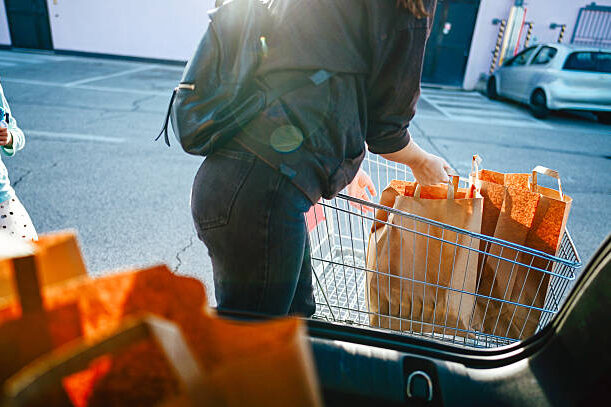
There’s something about walking into a grocery store that invites spending, even when you don’t plan to. Savers often reduce how frequently they shop, choosing to go once or twice a week instead of multiple small trips. It’s not about inconvenience, but about reducing exposure to impulse decisions. The fewer times you’re in that environment, the fewer chances you have to pick up items you don’t actually need.
Behavioral experts often note that “increased exposure to retail environments raises the likelihood of unplanned purchases,” and that’s exactly what this habit helps control. One well-planned grocery trip replaces several scattered ones, creating more structure and less room for unnecessary spending. Overspenders may shop casually whenever the need arises, while savers group their needs together. It takes a bit of planning, but it pays off in consistency. Over time, it also encourages better use of what you already have, making your kitchen feel more organized and your spending more intentional.
13. Using Cash or Fixed Payment Limits: Creating Natural Boundaries

Even in a world of digital payments, some savers still prefer using cash or setting strict spending limits before they shop. There’s something about seeing your money physically or knowing there’s a fixed cap that makes decisions feel more real. It adds a layer of awareness that can sometimes be lost when you’re just tapping a card without thinking too much about the total.
Financial experts often say, “Spending limits increase financial awareness and reduce overspending tendencies,” and this habit reflects that clearly. One grocery trip becomes a balancing act, where you prioritize and adjust in real time. Overspenders may rely on flexibility without boundaries, while savers create their own structure. It’s not about restricting yourself completely, but about giving your spending a clear edge. Over time, this approach builds discipline in a natural way, helping you stay within your means without feeling overly controlled.
14. Buying Seasonal Produce: Letting Timing Work in Your Favor
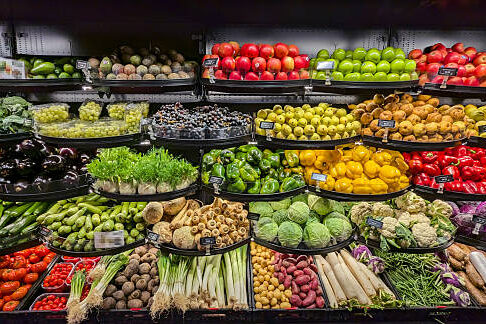
Savers often pay attention to what’s in season, not just because it tastes better, but because it’s usually more affordable. Fruits and vegetables that are in season are often more abundant, which brings prices down. Instead of sticking rigidly to the same items every week, they adjust based on what’s available, allowing nature’s timing to guide their choices in a simple way.
Agricultural experts often note that “seasonal produce tends to be fresher, more nutritious, and more cost-effective,” and that advantage is easy to see once you start paying attention. One grocery trip becomes more flexible, shaped by availability rather than routine alone. Overspenders may stick to familiar items regardless of price, while savers adapt. It adds a bit of variety to meals while also keeping costs lower. Over time, this habit creates a rhythm where your shopping aligns with natural cycles, making both your meals and your budget feel more balanced.
15. Reading Labels Carefully: Understanding What You’re Paying For

Sometimes, the difference between two similar products isn’t obvious until you take a closer look. Savers tend to read labels, not just for ingredients, but for quantity, quality, and value. They check details like weight, servings, and what’s actually included, rather than relying on packaging or appearance. It’s a habit that slows things down slightly, but in a way that leads to better decisions.
Consumer experts often explain that “informed shoppers make more cost-effective choices by understanding product details,” and that’s where this habit stands out. One grocery trip becomes more intentional, with fewer surprises later. Overspenders may choose based on branding or convenience, while savers look a bit deeper. It’s not about overanalyzing every item, but about building awareness over time. As this habit grows, it becomes easier to spot true value, making each purchase feel more considered and worthwhile.
16. Taking Time to Compare Before Buying: Slowing Down the Decision

Sometimes the biggest difference between saving and overspending is simply taking a moment before reaching for an item. Savers tend not to rush through their decisions. They pause, look at alternatives, compare sizes, brands, and even consider whether they truly need the item at that moment. It doesn’t mean spending hours in the store, just being present enough to make a conscious choice instead of reacting automatically.
Consumer behavior experts often say, “Deliberate decision-making reduces impulsive spending and improves purchase satisfaction,” and that becomes clear in practice. One grocery trip feels more controlled when you allow yourself that small pause. Overspenders often move quickly, guided by convenience or habit, while savers introduce a bit of intention into the process. It’s a quiet shift that doesn’t draw attention but has a steady impact. Over time, it builds a pattern of thoughtful spending, where each item in your cart feels like a choice rather than a reaction.
17. Avoiding Pre-Cut or Pre-Packaged Convenience Items

It’s easy to reach for pre-cut fruits, packaged vegetables, or ready-to-use ingredients, especially when time feels limited. They look convenient, and in many ways they are, but they often come at a higher price for the same product. Savers tend to notice this difference and choose whole items instead, opting to do a little extra work at home in exchange for lower costs. It’s not about avoiding convenience entirely, but about knowing when it’s worth paying for.
Food industry experts often note that “convenience packaging increases product cost without significantly increasing value,” and that difference adds up over time. One grocery trip can become noticeably more expensive when these items fill your cart. Overspenders may prioritize ease in the moment, while savers weigh that ease against long-term value. It’s a small trade-off, a few extra minutes of preparation for consistent savings. Over time, this habit becomes second nature, making you more aware of where your money is actually going.
18. Shopping Alone: Reducing External Influence

Grocery shopping can feel very different depending on who you’re with. When you shop alone, your decisions tend to stay focused on your needs. When others are involved, especially children or even friends, it’s easier for extra items to find their way into the cart. Savers often recognize this and choose to shop alone when possible, keeping the experience simple and aligned with their plans.
Behavioral experts often say, “Social influence can significantly increase unplanned purchases,” and it’s easy to see how that plays out in everyday situations. One grocery trip alone feels more controlled, while one with company can become more flexible in ways that affect spending. Overspenders may not notice how much influence others have on their choices, while savers quietly adjust their approach. It’s not about avoiding shared experiences, but about understanding when focus matters most. Over time, this habit helps maintain clarity and consistency in spending.
19. Reviewing the Cart Before Checkout: A Final Quiet Check

Right before heading to checkout, savers often take a moment to look through their cart again. It’s not a long process, just a quick scan to make sure everything there still makes sense. Sometimes, this leads to putting one or two items back, things that seemed necessary at first but no longer feel that way. It’s a simple pause that gives you a chance to reset before finalizing your choices.
Financial experts often explain that “a final review step helps reduce unnecessary spending and reinforces intentional purchasing,” and this is where that idea comes to life. One grocery trip can shift slightly in cost just from this small habit. Overspenders may move straight to checkout without reconsidering, while savers allow themselves that brief moment of reflection. It doesn’t take much time, but it adds a layer of control that makes a difference. Over time, it becomes a natural part of the process, quietly protecting your budget.
20. Treating Grocery Shopping as a Skill, Not Just a Routine

When you step back and look at it, grocery shopping isn’t just a task, it’s something you get better at over time. Savers tend to see it this way, not as something to rush through, but as a skill they refine with experience. They notice patterns, learn from past trips, and adjust their habits without overthinking it. Each visit becomes a small opportunity to do things a little better than before, building consistency rather than relying on luck.
Experts often say, “Consistent habits, not occasional effort, determine long-term financial outcomes,” and that idea quietly ties everything together. One grocery trip might not feel like much, but over weeks and months, these small choices add up. Overspenders often move through the process without reflection, while savers carry lessons forward. And maybe that’s the real difference, not perfection, but awareness. The kind that grows slowly and shows up in everyday decisions.