

1. Price Match Promises

If you’ve ever glanced at a shelf and thought, “This seems a bit high,” you might be missing out on the power of price matching. Many stores quietly offer to match a competitor’s price if you show proof, saving you a few dollars on big-ticket items. Chains like Target or Best Buy have policies that aren’t always advertised on the floor, and some retailers even honor online prices in-store. It’s like having a hidden ally in your shopping journey. Taking a minute to ask a cashier or check a website can unlock savings that feel like a secret handshake in the retail world.
Price matching isn’t always obvious, and restrictions can apply, but it’s worth checking because those savings add up quickly. Especially during sales seasons, knowing this feature can make a big difference in your final bill. Next time you’re in the aisle, take a pause and ask. It might feel small, but it can be surprisingly rewarding. Keeping an eye out for this subtle perk can turn you into a smarter shopper without changing your habits too much.
2. Loyalty Points That Actually Stack
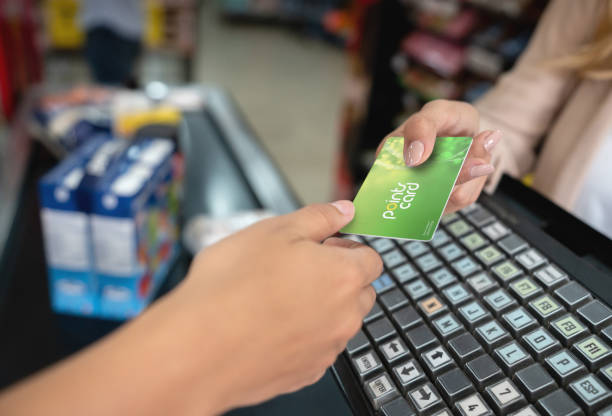
We’ve all seen loyalty cards at the checkout and thought they were optional, maybe a little gimmicky. But many of these programs quietly stack points faster than you think, sometimes even on items already discounted. Grocery stores, pharmacies, and even some clothing chains have hidden multipliers or special days where your points go further. It’s like collecting little golden tickets without trying too hard. Some apps even show your rewards before you shop, nudging you to make purchases that feel more rewarding than usual.
Loyalty points can feel tiny at first, but they compound over time. When you add them up, those small perks can turn into meaningful discounts, free products, or gift cards. Being aware of bonus events and combining coupons with your points is a strategy many casual shoppers miss. All it takes is a little attention and a click in the app or a swipe of the card. Once you start noticing these multipliers, the sense of accomplishment can make shopping feel a little like winning a quiet, everyday lottery.
3. Secret Clearance Racks

You’ve walked past those end caps and racks without a second glance, thinking everything is full price. But those “hidden” clearance sections often contain deeper discounts than the ones prominently displayed. Retailers use these spots to move inventory quietly, rewarding shoppers who explore with finds well below normal prices. Clothing stores, home goods outlets, and even electronics sections often have unmarked zones that get overlooked because they’re tucked away. A little curiosity can reveal items that feel like accidental treasures.
The beauty of these secret clearance racks is the thrill of discovery. Regular shoppers know to make a habit of scanning aisles fully, checking the ends, and asking staff if anything else is in the back or rotated weekly. It turns shopping into a scavenger hunt, and the savings are real. You might snag a brand-name jacket for half the price or a kitchen gadget you’ve been eyeing at a fraction of the cost. The lesson here is simple: slow down, peek behind the obvious, and don’t ignore those quiet corners of the store.
4. Online-Only Discounts

It might feel old-fashioned to think of in-store shopping as the default, but a lot of retailers now hide their best deals online. Some items are priced lower on the web because stores can manage inventory more efficiently and attract traffic to their digital platforms. You might even see exclusive coupon codes only available through the website or app. By checking online first, you can avoid the disappointment of thinking a sale is unavailable or missing out on items that haven’t hit the shelves yet.
The convenience of online discounts extends beyond price. Many retailers let you check stock at your nearest location or reserve items to pick up in store while still enjoying web-based savings. It’s a gentle mix of the physical and digital shopping experience. Even if you enjoy browsing aisles, taking a quick glance online before heading out can save you both money and time. Over time, these small adjustments compound into smarter, more strategic shopping without making your life more complicated.
5. Barcode Scanner Benefits
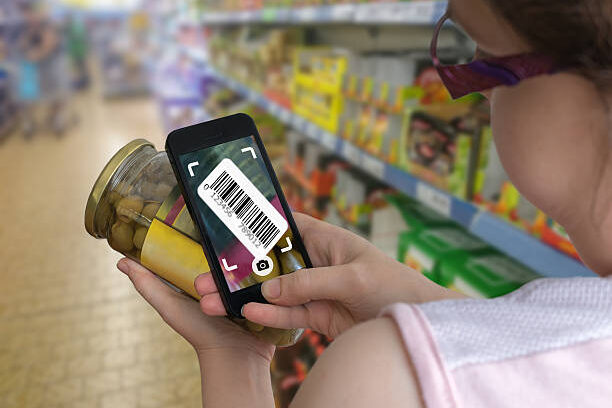
You’ve probably glanced at that little barcode scanner in the store and thought it was just a novelty. In reality, scanning items with your phone or the store’s scanner can unlock hidden discounts, instant coupons, or detailed product info. Some apps reward you just for checking prices, revealing manufacturer promotions that aren’t advertised on the shelf. It’s a quick way to double-check value or even uncover rewards points instantly. Think of it as giving your shopping a little tech-savvy edge.
Using barcode scanners is easy, and the rewards are real. You might discover that the cereal you always buy has a digital coupon available or that a bundle pack is cheaper than the single items. Some stores even alert you to low stock or suggest complementary products, which can feel surprisingly handy. It’s a tiny step that changes the experience from casual browsing to informed shopping, helping you make smarter choices while quietly saving money.
6. Price Drop Alerts

Ever bought something and then saw it cheaper a week later? That sting is avoidable with price drop alerts. Many stores and shopping apps let you track specific items and notify you when the price dips. It’s a quiet feature that rewards patience, especially around seasonal sales or holidays. By signing up for alerts, you can snag products at the best possible moment without constantly checking prices manually.
Price drop alerts aren’t just about saving a few dollars they help you plan your purchases smarter. For instance, electronics or furniture often fluctuate in price more than you’d expect, and the difference can be significant. Pairing this with online inventory checks or combining with loyalty programs can make your savings even better. A little patience and a simple notification can turn a rushed buy into a thoughtful, cost-effective purchase. Next time you’re eyeing something, set an alert and enjoy the satisfaction of buying at the right time.
7. Digital Receipts That Track Savings

Paper receipts can be a hassle, but many stores now offer digital receipts that do more than just replace paper. Some apps track your spending, show past purchases, and even highlight where you could have earned rewards or applied coupons. It’s like having a personal assistant who remembers every deal you’ve missed or maximized.
Using digital receipts makes returns, exchanges, and budgeting much easier. Instead of digging through a pile of crumpled paper, your purchase history is organized and searchable. Some apps even suggest products related to what you’ve bought or alert you if an item goes on sale after purchase. The convenience of this system quietly improves your shopping experience, helping you save money and time. Checking your digital receipt can feel like a small habit, but it quickly becomes a way to shop smarter, track patterns, and catch those hidden deals that otherwise slip by.
8. Secret “Buy Online, Pick Up In Store” Perks
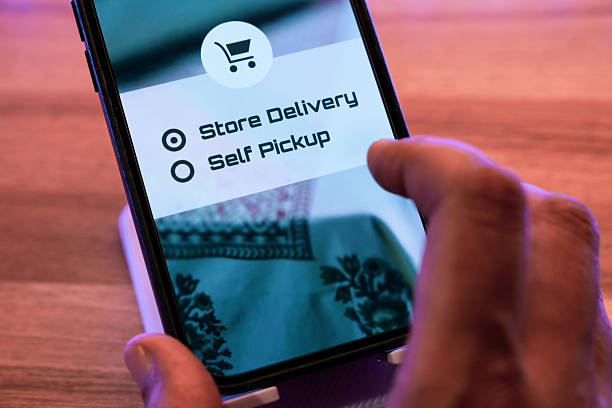
Picking up online orders in store isn’t just convenient it can sometimes unlock hidden discounts or exclusive items. Retailers often use these programs to manage inventory and encourage foot traffic, but they quietly reward shoppers who take advantage. Certain stores give small perks like waived shipping fees, bonus points, or early access to sales for choosing the pickup option.
The best part is that it saves time and gives you control over your purchase. You can browse online for availability, reserve the item, and avoid shipping wait times while still benefiting from in-store promotions. Sometimes, combining the pickup option with digital coupons or loyalty rewards amplifies savings even further. For shoppers who like efficiency without sacrificing deals, this feature is a small hack with surprisingly big value. Paying attention to the pickup options can transform your shopping from routine to savvy and intentional.
9. Hidden Coupon Codes in Emails

We all skim through marketing emails quickly, but those little messages often contain coupon codes or early-bird discounts that aren’t widely advertised. Retailers use email campaigns to reward subscribers quietly, meaning a simple click or a sign-up could unlock savings you’d miss in-store. It’s almost like being in on a secret club where a few keystrokes open doors to deals.
Even if you don’t love promotional emails, creating a dedicated folder or using a shopping-specific email account can pay off. You can glance at offers without feeling overwhelmed, and many of the codes are stackable with sales or loyalty rewards. This is one of those features that feels subtle, but consistent use can lead to real savings over time. Checking your inbox thoughtfully transforms email marketing from spam into a tool that quietly supports your budget without changing your shopping habits.
10. In-App Price Comparison

Shopping apps aren’t just for browsing, they can be mini research tools. Many apps let you scan barcodes or search items to see if a better price exists nearby or online. It’s like having a personal shopper in your pocket, comparing options instantly without the guesswork. You can avoid overpaying and make more confident decisions in real time.
This feature is especially useful for big-ticket items or brands with varying prices across stores. You don’t have to physically run from one store to another; a few taps can save significant money. Some apps even highlight reviews, promotions, or nearby stock levels, giving you extra insight before committing. Using in-app comparisons might feel small, but it quietly transforms your shopping experience into an informed, intentional journey. Over time, consistently checking before you buy builds awareness and ensures you’re getting the best deal possible.
11. Early Access Memberships
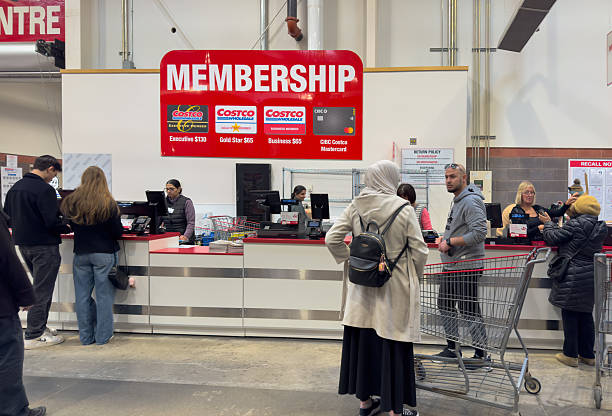
Have you ever noticed that some stores let members shop before the crowd? Early access memberships aren’t just about prestige—they often come with hidden perks like special discounts, bonus points, or exclusive product lines. Retailers quietly reward loyal or paying members to boost engagement, but many shoppers don’t realize they can join for minimal cost or even for free through apps.
Early access means avoiding sold-out items and sometimes getting better pricing before general sales. Clothing, electronics, and even grocery chains experiment with these programs to drive loyalty. It’s a gentle way to get ahead without rushing or missing out. If you’re a frequent shopper, signing up for early access can feel like opening a secret door to savings, convenience, and the chance to snag items you actually want before they disappear.
12. Price History Trackers

Sometimes that “on sale” sticker isn’t the full story. Price history trackers help you see how prices have changed over weeks or months, so you can decide whether a deal is truly worth it. Apps and websites quietly provide this data, making it easy to spot trends or seasonal patterns. It’s a little insight that turns casual shopping into informed decision-making.
Knowing price history can prevent impulsive buys and help you wait for the right moment. For example, electronics often dip before holidays, and some grocery items fluctuate weekly. Seeing the pattern gives you confidence in spending and can save hundreds over time. It’s a subtle feature that doesn’t require a lot of effort but rewards those who check. Over time, it quietly transforms how you approach sales and promotions, giving you a sense of control in a world full of marketing tactics.
13. Automatic Reorder Programs

Buying the same household items repeatedly? Some stores now let you set up automatic reorder programs, so essentials like detergent, paper towels, or pet food are delivered on schedule. This feature is often overlooked, but it saves time, reduces stress, and sometimes even comes with extra discounts or loyalty points. It’s a quiet convenience that blends organization with savings.
Automatic reorders also reduce the risk of running out unexpectedly. Many programs let you adjust quantities, skip shipments, or pause subscriptions easily. This subtle feature makes life easier while keeping your budget steady, especially if paired with store promotions or digital coupons. Over time, it feels like your shopping routine is being gently managed in the background, giving you space to focus on other things while still enjoying the benefits of smart purchasing.
14. In-Store Maps and Navigation
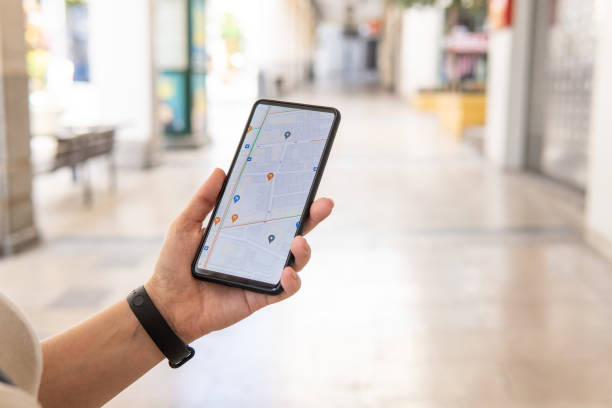
Large stores can feel overwhelming, but some retailers quietly offer in-store maps via their apps or kiosks. These maps help you find items faster, highlight sale locations, and sometimes even suggest the most efficient route through the aisles. It’s like having a guide without the extra person following you around.
Using in-store navigation saves time, reduces stress, and can even uncover hidden deals along the way. Some apps also alert you to nearby promotions as you move through sections, which many shoppers miss if they wander without a plan. Paying attention to these features transforms the shopping experience from aimless wandering to intentional, informed browsing. It’s a quiet way to make errands feel a little smarter and less hectic.
15. Digital Price Tags
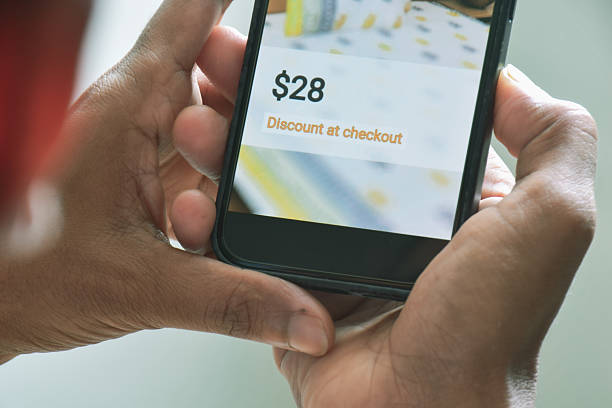
You might not realize it, but some stores now use digital price tags that update instantly for promotions, discounts, or special offers. These electronic tags quietly change prices without the usual paper updates, ensuring you always see the most current deal. Shoppers often overlook them, assuming prices are static until marked down manually.
The convenience is subtle but effective. Digital tags can reflect flash sales, dynamic pricing, or limited-time offers, often paired with loyalty programs or app notifications. By paying attention to these small digital cues, you can spot deals that might otherwise be missed. It’s a behind-the-scenes feature that quietly empowers shoppers who notice it, turning everyday browsing into a more strategic and potentially more rewarding experience.
16. Hidden Bundles

Sometimes the deals you really want aren’t obvious at first glance. Retailers quietly offer bundle deals that combine multiple items for less than the total individual cost. Electronics, kitchen gadgets, and even grocery items often appear more expensive individually, but pairing them can unlock instant savings. Many shoppers miss these opportunities simply because they don’t dig a little deeper or ask a staff member.
The beauty of hidden bundles is that they reward curiosity and planning. You might grab a blender with attachments at a fraction of buying each piece separately, or a skincare set with extra bonuses that weren’t advertised. Paying attention to the “also sold together” suggestions online or asking about in-store combinations can uncover small treasures. Over time, noticing these bundles quietly changes how you approach shopping, encouraging smarter spending without extra effort.
17. Extended Return Windows

Return policies often feel rigid, but some stores quietly extend return windows for members, seasonal purchases, or during holiday periods. This flexibility isn’t always advertised, and it can make a big difference if a gift doesn’t fit, a style changes, or a product underperforms. Asking politely or checking online for extended policies can save stress and money.
Extended return windows aren’t just about convenience; they’re also a way to test products without pressure. Shoppers who know this feature can plan holiday purchases early, buy multiple sizes of clothing, or try new items with confidence. It turns the act of buying into a less risky, more thoughtful experience. Over time, leveraging this quietly generous feature encourages more strategic shopping and reduces anxiety about making mistakes at checkout.
18. Flash Sales and Pop-Up Deals

Retailers love surprises, and many use flash sales or pop-up promotions to move inventory quickly. These sales can appear in apps, email alerts, or even in-store notifications. They’re short-lived and often hidden from general advertising, so casual shoppers might never notice them unless they’re paying attention.
The thrill of flash sales isn’t just the rush; it’s the value. Items that normally cost full price might drop significantly, or special bundles appear briefly. Signing up for notifications or keeping an eye on apps can make you one of the few shoppers who consistently catches these hidden offers. It’s a subtle but effective way to save, especially if you’re flexible with timing or product options. Watching for flash deals quietly turns routine shopping into an adventure where timing truly matters.
19. Personalized Recommendations

Have you ever noticed that apps and online stores suggest items that feel uncannily relevant? Personalized recommendations are more than convenience they’re powered by algorithms quietly learning your habits, past purchases, and search history. Stores aim to give you ideas you might actually want, often highlighting discounts, combos, or new arrivals that fit your preferences.
Personalized suggestions can save time, prevent wandering, and sometimes point you toward deals you didn’t know existed. By engaging with these features checking suggested items or “you might also like” sections you can discover products that match your needs while spotting promotions tailored for you. It’s a subtle way to shop smarter, reduce decision fatigue, and catch offers that otherwise go unnoticed. Over time, interacting with personalized recommendations quietly improves both savings and convenience.
20. The Checkout Secret

Finally, one of the simplest but most overlooked features is right at checkout. Many stores quietly offer last-minute promotions, add-on discounts, or donation options that can give you extra savings or perks. These subtle nudges often fly under the radar because shoppers focus on finishing the transaction, but a quick glance or asking the cashier can reveal extra value.
The checkout is the final chance to save or earn rewards without changing your shopping plan. Whether it’s scanning a loyalty code, applying a digital coupon, or noticing a small bundle suggestion, this moment quietly rewards awareness. Taken together with the other features we’ve explored, it shows that shopping isn’t just about what’s on the shelf it’s about noticing the small, hidden details along the way. Next time you shop, pause at checkout, look for the subtle extras, and watch how these small actions quietly add up.