

1. Start with a Simple Weekly Plan
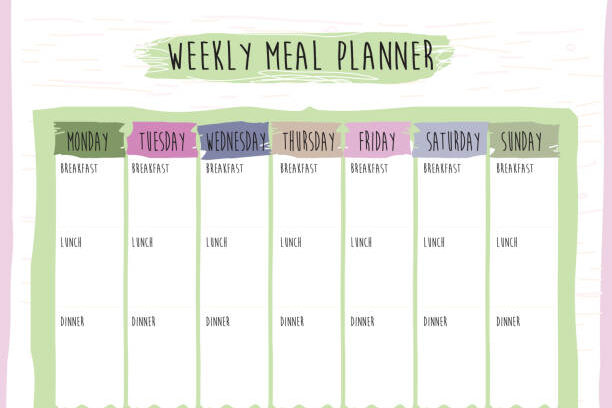
It usually begins quietly, before the cooking even starts. A simple weekly plan doesn’t need to be strict or overly detailed, just a rough idea of what meals you might prepare over the next few days. Without it, it’s easy to buy groceries based on what looks appealing in the moment rather than what you’ll actually use. That’s where waste slowly creeps in. You might pick up vegetables with good intentions or extra ingredients for a meal you never quite get around to making. But when you pause for a few minutes and think through your week, something shifts. You begin to connect ingredients across meals, reuse items naturally, and avoid overbuying without even trying too hard. It feels less like planning and more like giving yourself a quiet sense of direction.
Experts often point out that “meal planning is one of the most effective ways to reduce household food waste,” and over time, that truth becomes easy to see in your own kitchen. When your shopping reflects your actual routine, less food gets forgotten. You start to notice small patterns, what you cook often, what tends to sit too long, and what you can skip next time. A plan also helps you use what you already have before adding more, which naturally keeps your fridge from becoming overcrowded. It doesn’t have to be perfect, and it doesn’t need to cover every meal. Even a loose plan helps you move through the week with more awareness, and that alone makes a steady difference in how much food gets used instead of thrown away.
2. Shop with a Clear and Thoughtful List

There’s something about walking into a grocery store without a list that feels easy at first, almost freeing. You wander through aisles, picking up what looks fresh or interesting, trusting that it will all come together later. But more often than not, those extra items sit unused, quietly adding to food waste over time. A simple, thoughtful list changes that experience in a subtle but powerful way. It doesn’t restrict you, it just keeps you grounded. When your list is based on meals you’ve already considered, your shopping becomes more focused. You pick what you need, skip what you don’t, and leave with groceries that actually match your week rather than your mood in the moment.
Consumer experts often say that “shopping with a list significantly reduces impulse purchases and unnecessary waste,” and it’s one of those habits that proves itself quickly. Once you start using a list regularly, you notice how much less food lingers unused in your kitchen. It also helps you avoid duplicates, buying something you already have but forgot about. Over time, this small habit builds awareness between your fridge, your meals, and your shopping trips. You begin to trust your list, making fewer last-minute decisions that lead to waste. It’s not about being rigid or cutting out flexibility, but about creating a quiet connection between what you buy and what you actually use. And that connection is where real change begins.
3. Store Food Where You Can See It

How often have you found yourself standing in front of the fridge, unsure of what’s hiding behind those stacks of containers and bags? The problem is simple: out of sight, out of mind. When food gets tucked behind other items or shoved to the back, it’s easy to forget about it until it’s too late. You might have fresh greens or a leftover chicken breast tucked behind a jar of jam, but if it’s hidden, it’s going to spoil before you realize. The key to reducing waste is visibility. When you store food where you can easily see it, whether it’s leftovers or fresh produce, you’re more likely to use it before it goes bad. Even something as simple as using clear containers or placing the oldest items at the front can make a big difference.
Food experts often emphasize that “visibility plays a key role in reducing food waste at home.” You can plan to use those items before they spoil simply because you’re more aware of them. When everything is in sight, you’re not scrambling to figure out what’s in your fridge,you’re already planning meals around what’s there. Over time, it becomes second nature to keep everything in sight, whether that’s by designating specific fridge shelves for quick use items or using clear storage bins for leftovers. The more you can make food visible, the less likely it is to go unnoticed and eventually tossed. This small change can lead to fewer forgotten items, less food waste, and a greater appreciation for the ingredients you’ve purchased.
4. Understand Expiry Dates Better
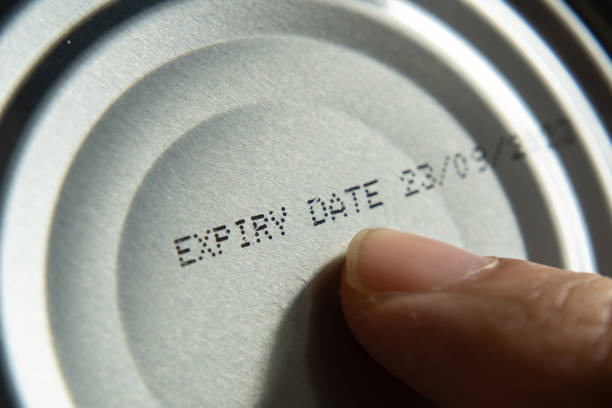
Expiry dates, those little labels on cans, cartons, and jars are often the culprit in food waste. Many people see “best before” or “use by” dates and immediately discard food when that day passes. But in reality, these dates are more about quality than safety, and food is often perfectly fine well beyond these labels. For example, many items such as pasta, canned goods, or even yogurt can still be consumed after the printed date. It’s essential to understand the difference between safety concerns and quality loss. Instead of tossing things right away, it’s helpful to trust your senses: smell, look, and taste. If it still seems good, it probably is.
Nutritionists often stress that “date labels are a guide to quality, not an indication of food safety in many cases.” Over time, you’ll begin to trust your intuition more and toss less. Rather than automatically discarding food just because the date has passed, use it wisely, plan meals around items approaching their expiry, or find creative ways to incorporate older ingredients before they become unusable. This doesn’t mean ignoring labels completely, but being more discerning and less wasteful. Slowly, you start to see those dates as a suggestion, not a hard rule. The more you pay attention to how food actually looks and tastes, the less you’ll throw away. This awareness shifts how you shop, cook, and store, ultimately helping to reduce the food waste that often feels unavoidable.
5. Use Leftovers Creatively
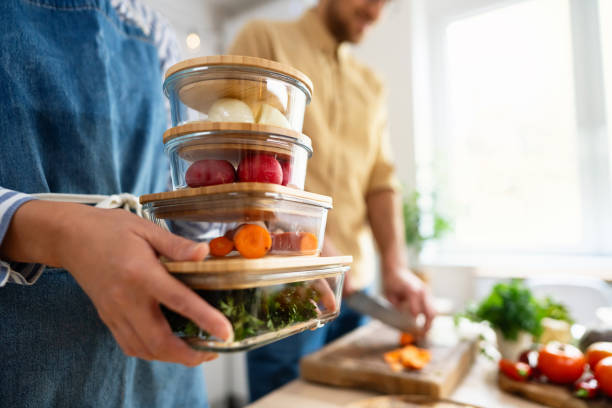
Leftovers get a bad rap. They’re often seen as something “not quite good enough” to eat on their own. But when you take a step back and think of them as ingredients instead of scraps, you’ll find that leftovers are one of the easiest ways to cut down on food waste. Take, for example, leftover chicken. Instead of reheating it the same way, think about how it can be added to a salad, tossed into a stir-fry, or mixed into a pasta dish. The key is seeing leftovers as part of the meal-making process, not just yesterday’s food. A little creativity goes a long way, and what might seem like a small portion can turn into an entirely new meal with a few extra ingredients.
Many chefs and home cooks agree that “repurposing leftovers is one of the simplest ways to reduce food waste.” Over time, you start thinking about what’s left behind, rather than just letting it sit in the fridge until it’s too late. Using leftovers creatively also saves time in the kitchen, as many of these meals are quick to prepare. For example, that leftover rice can be used to make fried rice, or extra veggies can be turned into a hearty soup. This not only reduces waste but also prevents you from having to start from scratch every time you cook. By making a habit of recycling leftovers into new meals, you’ll save money, reduce waste, and build a more sustainable kitchen routine that works for you.
6. Freeze What You Can’t Use Yet

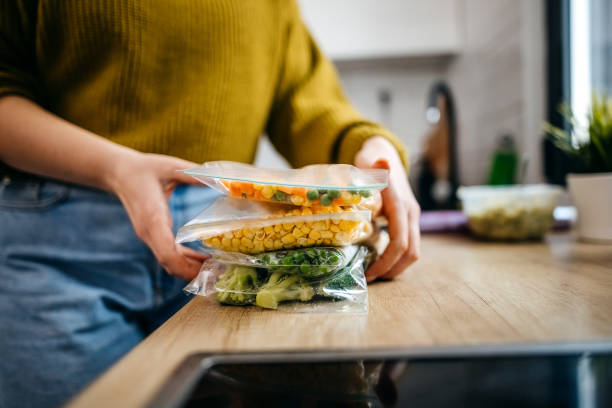
Freezing is one of the easiest and most effective ways to extend the life of food before it goes bad. If you’ve ever found yourself with a bunch of ripe bananas or extra portions of cooked chicken you can’t get to in time, the freezer is your best friend. But freezing isn’t just for big batch cooking. You can freeze almost anything, from bread to chopped vegetables to that last bit of soup. It’s as simple as popping it in a container or a bag, labeling it, and storing it for later use. The beauty of freezing is that it buys you time. Instead of throwing away food because you can’t use it right away, you can preserve it and use it at your convenience.
Experts often note that “freezing food helps preserve freshness and prevent waste,” and it’s true that your freezer can act like a time capsule for food. Over time, you learn how much you can freeze and which items freeze best. Whether you freeze meat, fruit, or even herbs like cilantro or parsley, freezing prevents you from rushing to use something before it spoils. Over time, you’ll begin to see your freezer as an extension of your kitchen, not just a last-minute save. A well-stocked freezer means less food waste and fewer last-minute grocery store trips, as you can pull meals together using what’s already available. The more you freeze, the more you’ll appreciate how it lets you stretch your grocery dollars while keeping food waste in check.
7. Cook Smaller Portions That Fit Your Day

It’s easy to cook a little extra, just in case. Maybe you’re thinking about seconds, or you simply want to make sure there’s enough. But more often than not, those extra portions end up sitting in the fridge longer than expected. Cooking smaller portions doesn’t mean limiting yourself, it just means being a bit more in tune with what you’ll realistically eat. When you start preparing meals that match your actual appetite or household size, you notice a quiet shift. There’s less pressure to finish everything, fewer leftovers to manage, and less food slowly going to waste without you realizing it.
Food experts often mention that “portion awareness is a simple but effective way to reduce both waste and unnecessary spending.” Over time, you begin to understand your own patterns, how much rice you really need, how much soup is enough, or how many servings actually get eaten. It becomes less about guessing and more about knowing. And when you do want leftovers, it becomes intentional rather than accidental. This small adjustment brings a kind of balance into your kitchen routine. You’re still cooking meals you enjoy, just in amounts that make sense for your day. And in that quiet way, you begin to waste less without feeling like you’ve changed much at all.
8. Rotate Older Items to the Front

Sometimes food doesn’t go bad because you bought too much, it goes bad because it gets forgotten. A new pack of vegetables gets placed in front of the old one, or a fresh carton pushes the older one further back. Before you know it, the older items are out of sight and out of mind. Rotating your groceries, placing newer items behind older ones, helps you naturally use what needs to be used first. It’s a simple habit, but it keeps your kitchen moving in a steady, thoughtful rhythm.
This approach is often referred to as “first in, first out,” and many food safety experts recommend it as a practical way to reduce waste. When you follow this method, you don’t have to constantly check expiry dates or guess what to use next. The system quietly guides you. Over time, it becomes second nature to unpack groceries this way, and you start noticing how much less food gets left behind. It’s not about being overly organized, just about creating a small sense of order that works in your favor. And once it becomes part of your routine, it feels less like a task and more like a natural way of taking care of what you bring into your home.
9. Turn Scraps into Something Useful
There’s a surprising amount of value in what we often throw away without thinking. Vegetable peels, herb stems, and leftover bits from cooking can all be used in simple, practical ways. Instead of discarding them immediately, you can collect these scraps and use them to make broths or stocks. A handful of onion skins, carrot ends, and celery tops can simmer into something rich and useful, turning what once felt like waste into a base for future meals. It’s one of those small habits that slowly changes how you see your kitchen.
Many cooking resources highlight that “kitchen scraps can be repurposed into flavorful stocks, reducing waste and adding value.” Once you start doing this, it becomes easier to pause before throwing things away. You begin to recognize what still has potential and what truly needs to go. Over time, this habit builds a deeper awareness of how much food can actually be used. It doesn’t require extra effort, just a small container and a bit of patience. And in return, you get something useful, something homemade, and something that quietly stretches your ingredients further than you expected.
10. Keep Track of What You Already Have
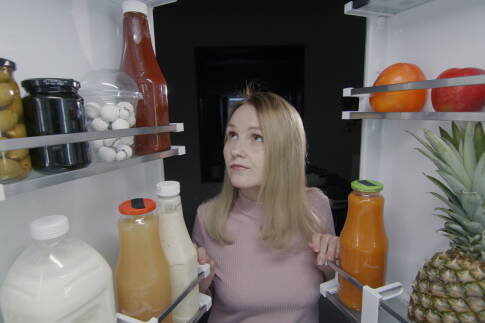
It’s easy to forget what’s already sitting in your fridge or pantry. You might buy another carton of milk, another pack of pasta, or more vegetables, only to realize later that you already had enough. This kind of overlap leads to food sitting too long and eventually going to waste. Taking a moment to check what you already have before shopping or cooking helps prevent this. It doesn’t need to be a full inventory, just a quick glance that keeps everything in mind.
Experts often say that “awareness of existing food inventory helps prevent overbuying and reduces waste.” That awareness grows naturally the more you practice it. Over time, you begin to mentally track what’s running low and what needs to be used soon. It makes both cooking and shopping feel more connected, like each decision builds on the last. Instead of adding more and more, you start using what’s already there first. This habit doesn’t just reduce waste, it also simplifies your routine. You spend less time guessing and more time using what you already have, and that alone makes your kitchen feel more manageable and less overwhelming.
11. Repurpose Bread into Croutons or Breadcrumbs
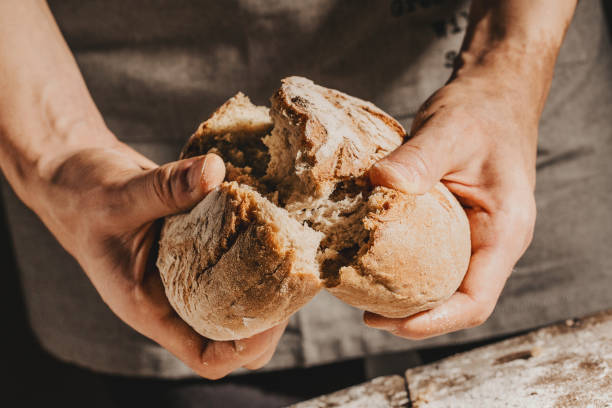
Bread, whether fresh or a bit stale, is one of those foods that tends to get overlooked as it sits on the counter or in the back of the breadbox. You may find yourself tossing half a loaf of bread because it’s “getting old,” but before you do that, consider repurposing it. Stale bread can be easily turned into croutons for soups and salads or ground into breadcrumbs for a variety of recipes, from meatballs to coatings for chicken or fish. It’s simple: cut it into cubes, season with your favorite herbs and spices, and bake them for crispy croutons. Alternatively, dry the bread out in the oven and pulse it into fine breadcrumbs for future use. What was once a throwaway can turn into something flavorful that extends its life well beyond its original purpose.
According to food preservation experts, “repurposing stale bread into croutons or breadcrumbs is one of the easiest ways to reduce waste and save money.” By making this a regular habit, you’ll stop thinking of older bread as waste and start seeing it as a valuable resource for your meals. Over time, you’ll be able to make creative meals using these leftovers, like topping salads with croutons or using breadcrumbs for coatings or binding ingredients in meatloaf. It’s one of the simplest food-saving techniques, and the best part is that it doesn’t require extra ingredients or equipment, just your imagination and the bread you already have. Once you start this habit, you’ll wonder why you ever threw bread away in the first place.
12. Organize Your Fridge for Easy Access

A disorganized fridge can make meal prep feel like a chore, and unfortunately, it’s one of the key reasons food gets wasted. When items are haphazardly shoved into shelves, you forget about them, or you don’t know what you have on hand, making it harder to plan meals that use what’s in there. Simple organization goes a long way. Try categorizing similar items together: keep fruits and vegetables in one section, dairy in another, and leftovers easily accessible so they can be used first. Using clear containers or labeling foods can help too, this makes it easy to see what’s approaching its expiration date and use it before it’s too late. With just a little effort upfront, you can avoid the feeling of opening the fridge and being overwhelmed by clutter.
Experts agree that “organizing your fridge with a clear system improves food usage and cuts down on waste.” When everything is where it belongs and easy to see, you’re less likely to forget about ingredients or let them spoil in the back. Over time, this small adjustment becomes a habit that changes the way you approach food storage. It also encourages you to use ingredients you have in different ways. The less clutter you have, the more inspired you feel to cook. And by consistently organizing, you’ll naturally waste less, avoid overbuying, and start appreciating what you already have on hand.
13. Use the Freezer as a Meal Prep Tool

The freezer can be a game-changer in reducing food waste, especially when you start using it as a meal prep tool. If you find that you have leftover portions of cooked meals whether it’s chili, soup, pasta, or rice, don’t let them sit in the fridge and eventually spoil. Instead, pop them in the freezer for future use. Pre-portioned freezer meals also work wonders when you’re in a pinch and don’t want to cook from scratch. Whether you’re freezing homemade casseroles, stews, or even sliced bread for sandwiches, freezing allows you to enjoy these meals later without the rush or stress of cooking every day. This not only reduces food waste but can also save you time on busy days when you just don’t have the energy to cook.
Food experts recommend that “meal prepping and freezing leftovers help you take advantage of your cooking efforts and prevent food from going to waste.” The key is in proper portioning and labeling, so you know exactly what’s in the freezer when you need it. Over time, you begin to see your freezer not just as a place for frozen vegetables or ice cream, but as a valuable extension of your kitchen. It’s a quiet but powerful way to get ahead of your meals and ensure that nothing goes to waste. When you learn how to use your freezer efficiently, you turn excess food into future convenience, and that helps keep waste and stress at bay.
14. Compost Food Scraps When Possible

Composting is one of the easiest and most eco-friendly ways to reduce food waste, especially if you have items that can’t be repurposed into meals. Think about those vegetable peels, coffee grounds, egg shells, and other organic waste that accumulate when cooking. Instead of tossing them into the trash, which contributes to landfill waste, composting gives them a second life. Composting is essentially a process where organic matter breaks down into nutrient-rich soil, which you can then use to improve your garden or plants. It’s an act of turning waste into something useful, and it’s surprisingly simple to start. All you need is a small compost bin, either indoors or outdoors, and you can start collecting scraps to be composted later.
According to environmental experts, “composting is a great way to reduce landfill waste and contribute to a more sustainable food system.” It also cuts down on food waste at home, as it gives you a place to send organic waste that would otherwise be thrown away. Over time, you’ll notice how much you can compost, things like banana peels, apple cores, and even citrus rinds can all be added. With regular composting, you’ll feel a sense of satisfaction, knowing that the food scraps that once felt like a burden are now contributing to something positive. Plus, composting reduces the need for store-bought fertilizers, which makes it both an environmental and financial win.
15. Plan for Leftovers by Making Extra
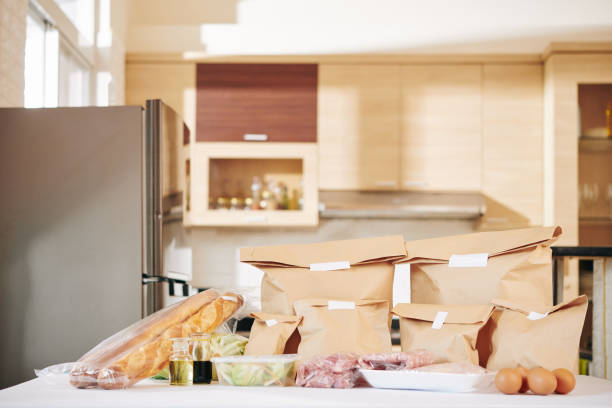
Leftovers don’t always have to be a byproduct of a meal, they can be a plan. Cooking a little extra for the sake of future meals helps reduce the need for additional grocery trips and ensures you’re using what you already have. For instance, when making dinner, you can intentionally cook a bit more rice, chicken, or vegetables than needed, knowing you’ll turn them into lunch or dinner for the following day. Not only does this save time, but it also allows you to create meals without the stress of preparing something new from scratch every day. Plus, meals like soups, casseroles, and pasta dishes tend to taste even better the second time around after the flavors have had more time to meld.
Many culinary experts recommend that “making extra food intentionally is an easy way to reduce food waste and save time.” When you plan for leftovers, you’re not just reheating a meal but setting yourself up for success in future meals. Over time, this habit of cooking more than you need becomes a streamlined part of your routine, and you’ll notice you’re not only cutting down on waste but also saving money by getting multiple meals out of one cooking session. You may even start to look forward to these extra meals, making them more creative by adding fresh ingredients or transforming them into something different. It’s a small shift, but one that slowly changes how you approach food preparation, turning every meal into an opportunity to waste less.
16. Buy Only What You Can Store Properly

One of the easiest ways to reduce food waste is to buy only what you can store properly. We’ve all bought an ingredient with the best of intentions, only to find it wilting or spoiling before we can use it. Whether it’s fresh produce or frozen goods, understanding how to store food correctly can extend its life and reduce waste. For example, herbs can last much longer if stored in water like flowers, and many fruits and vegetables have their own ideal storage conditions, some do better in the fridge, while others thrive on the counter. By learning about proper storage for each type of food, you’ll be able to make smarter purchases that last longer.
Experts frequently point out that “proper food storage is one of the best ways to avoid food waste.” The more you learn about how different foods should be stored whether in airtight containers, jars, or wrapped in the right materials, the less food you’ll have to toss. Over time, you’ll become more mindful when you shop, avoiding items that you know you can’t store properly or that won’t last long enough for you to use. This approach also helps you keep your kitchen organized and your ingredients fresh. With better storage habits, you’re ensuring that the food you buy stays good for as long as possible, minimizing waste while making the most out of your grocery investments.
17. Educate Yourself on Shelf Life

Shelf life is one of those things we don’t always pay much attention to, yet it’s crucial in reducing food waste. Each item in your kitchen, whether it’s canned goods, dairy, or grains has a shelf life, and knowing when something is truly past its prime can help you avoid tossing it too early. For instance, canned vegetables can last much longer than you might think, and pasta has a long shelf life if stored correctly. On the other hand, fresh produce like berries or leafy greens will need to be used quickly. By understanding the shelf life of different foods, you’ll be able to plan meals around items that are close to expiring and ensure nothing is wasted unnecessarily.
Food scientists often emphasize that “knowledge of shelf life allows consumers to make informed choices and reduce waste.” Over time, you’ll start to notice the patterns in your own pantry and fridge: what goes quickly, what lasts longer, and what tends to get forgotten. With this awareness, you can make smarter grocery purchases, using what’s perishable first and saving longer-lasting items for later. This not only reduces waste but also helps you avoid buying too much of anything at once. When you combine this knowledge with good meal planning, you’ll find yourself wasting less, not because you’re being overly cautious, but because you’re being more informed.
18. Get Creative with Expired but Edible Food

We’ve all been there: a carton of milk that’s just a day past its expiry date, or a loaf of bread that’s a bit too soft but still perfectly edible. Rather than tossing these items straight away, get creative with them. Expired food doesn’t automatically mean it’s bad. A small amount of food past its sell-by date can still be used safely if it’s handled properly. For example, slightly overripe bananas can be blended into smoothies, baked into banana bread, or used as a pancake topping. Milk that’s a day or two past the “sell by” date can still be used in cooking or baking, like in pancakes or custards. Similarly, stale bread can be turned into breadcrumbs or croutons, adding flavor and texture to your meals. The key is learning how to evaluate food for edibility beyond the printed date.
Food experts advise that “getting creative with food past its expiry date is one of the most effective ways to reduce waste while still enjoying meals.” You don’t have to throw things away just because they’ve passed a certain date. As long as they look, smell, and taste okay, they’re likely fine to eat. The more you practice this, the more you develop a sense of what can be used in creative ways. Over time, you’ll find that your approach to food is less about perfection and more about sustainability. By embracing food that others might throw out, you’re not only reducing waste but also making the most out of your grocery budget and making your meals more innovative.