

1. Canned Tuna: Budget-Friendly and Shelf-Stable
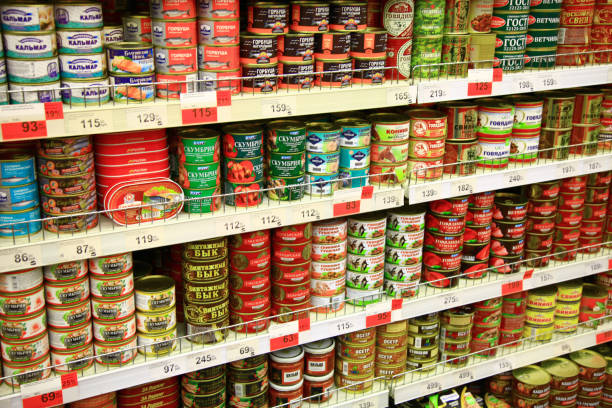
Tuna is a classic protein staple that’s easy to overlook until you realize how practical it can be. Canned tuna is inexpensive, lasts a long time on your pantry shelf, and packs a punch of protein per serving. One small can can provide around 20 grams of protein, and because it’s shelf-stable, you can stock up during sales without worrying about immediate spoilage. Tuna is also versatile, you can add it to salads, sandwiches, pasta dishes, or even mix it with beans and vegetables for a quick, nutritious meal. The low cost combined with convenience makes it a favorite for anyone trying to eat protein on a budget.
Dietitians often point out that “canned tuna offers a lean protein source with minimal fat, and it can be used in countless ways to support a balanced diet.” By keeping several cans on hand, you can throw together a meal in minutes without worrying about cooking time or complicated recipes. It’s also a great option for students or busy professionals who need quick meals. While fresh fish may be appealing, canned tuna provides a much more affordable route to high-quality protein. And because it’s portable and non-perishable, it’s a versatile option for meal prepping, picnics, or last-minute lunch solutions. A little tuna goes a long way in keeping protein intake high without draining your wallet.
2. Eggs: Simple, Versatile, and Affordable
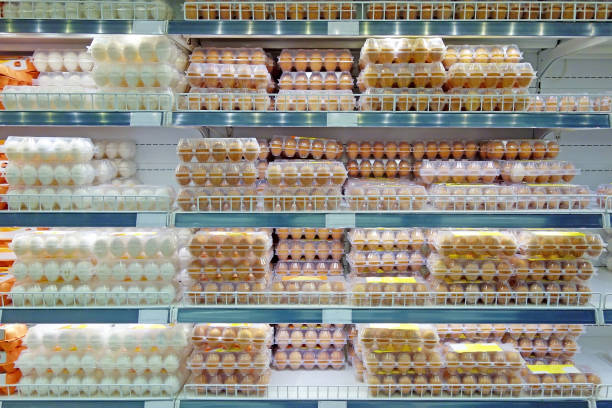
Eggs have long held a special place in kitchens around the world, and for good reason. Not only are they versatile enough to be cooked in countless ways; scrambled, poached, boiled, or baked, they also offer a complete protein profile at an unbeatable price. When you compare the cost per gram of protein, eggs are often one of the most economical sources available in the grocery store. You can pick up a dozen for a few dollars, and they’ll provide protein for multiple meals throughout the week. Beyond protein, eggs are rich in essential vitamins and minerals like vitamin D, B12, and selenium, making them a powerhouse ingredient that stretches your grocery dollars without compromising nutrition.
Nutrition experts frequently highlight that “eggs are a highly efficient source of protein, providing all essential amino acids while being budget-friendly.” Over time, incorporating eggs into your weekly meal rotation can make a big difference in your overall grocery spending. Whether you’re making an omelet for breakfast, a quick frittata for lunch, or adding them to baked goods, eggs adapt easily to your routine. The beauty is that they don’t just save money, they save time and effort, too. And because they store well in the fridge, they’re an ideal solution for anyone looking to maintain a protein-rich diet without overspending. Using eggs creatively in your meals means you get high-quality protein every day without breaking the bank.
3. Peanut Butter: Creamy Protein Power

When thinking about protein on a budget, peanut butter often comes to mind. Not only is it affordable and widely available in most grocery stores, but it also provides both protein and healthy fats. A single two-tablespoon serving contains around eight grams of protein, making it an easy way to add protein to snacks, breakfasts, or even baked goods. Spread it on toast, blend it into smoothies, or pair it with fruits and vegetables for a quick and filling snack. Its shelf life is generous, too, so it’s perfect for stocking up when it’s on sale without worrying about spoilage.
Nutritionists often note that “peanut butter is an accessible plant-based protein source, providing a balance of protein, fiber, and healthy fats.” The combination of protein and fats also helps keep you feeling full longer, which can reduce unnecessary snacking or impulse purchases. With so many ways to incorporate peanut butter into meals, it’s a flexible ingredient that supports both nutrition and budget goals. And if you’re conscious of sugar or salt, natural peanut butter varieties offer a healthier choice while still being affordable. By keeping a jar on hand, you’ll find that adding protein to meals doesn’t require fancy ingredients or complicated preparation—it just takes a little creativity.
4. Lentils: Affordable Plant-Based Protein

Lentils are one of the cheapest and most nutrient-dense protein sources you can find. Whether you buy them dry in bulk or in cans, they’re easy to store, cook, and add to meals. Just one cup of cooked lentils offers roughly 18 grams of protein, along with fiber, iron, and other essential minerals. They’re a staple in many cuisines because they’re versatile: soups, stews, curries, salads, and even veggie burgers all benefit from lentils’ protein punch. On top of that, lentils cook faster than other dried legumes, which makes them a practical choice for busy households looking to maximize both nutrition and budget.
According to dietary experts, “lentils are a powerful plant-based protein that can be incorporated into meals to stretch ingredients and reduce food costs.” When used strategically, lentils can replace pricier protein sources in some meals without compromising taste or satisfaction. They are excellent for meal prepping because they hold up well in the fridge and can be combined with grains, vegetables, or spices to create varied dishes. Over time, you’ll notice that using lentils regularly allows you to save money while still keeping protein intake high, which is particularly helpful for families or anyone managing a tight grocery budget.
5. Black Beans: Protein and Fiber in One
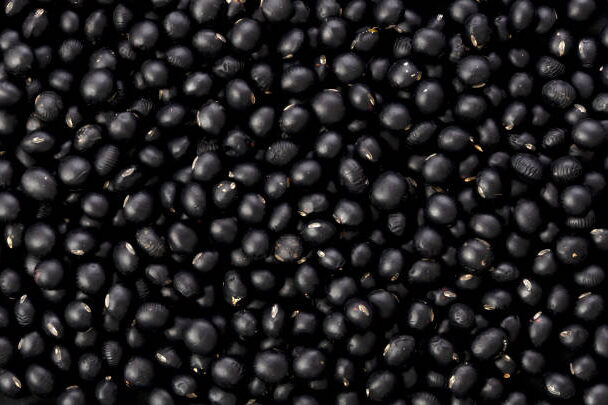
Black beans are another inexpensive plant-based protein source that is incredibly versatile. Like lentils, they’re rich in protein and fiber, with one cup of cooked black beans offering around 15 grams of protein. They’re perfect for soups, burritos, salads, and even veggie-packed casseroles. Buying them dried in bulk is the most cost-effective option, but canned beans are also convenient for quick meals. Because they store well and are so adaptable, black beans are a reliable way to keep your protein intake consistent without overspending at the grocery store.
Nutrition specialists often emphasize that “beans are an affordable, nutrient-dense protein source that supports both heart health and digestive health.” Black beans are especially popular because they provide a dense source of protein and slow-digesting carbohydrates, which helps keep energy levels stable. They also pair beautifully with other budget-friendly ingredients like rice or corn, creating hearty, satisfying meals that stretch both protein and dollars further. By incorporating black beans into your routine, you’ll find it easier to meet your protein goals without relying on expensive meat or specialty products. Over time, they can become a cornerstone of a sustainable, budget-conscious approach to protein.
6. Chicken Leg Quarters: Affordable and Versatile

When it comes to buying chicken, the whole bird or chicken leg quarters are often the most affordable cuts. While chicken breasts tend to be pricier, chicken leg quarters offer a similar amount of protein for a fraction of the cost. These cuts are not only budget-friendly but also full of flavor, as they contain a bit more fat than the lean breast. This added fat helps keep the meat tender and juicy when cooked, making them a great option for roasting, grilling, or slow cooking. With leg quarters, you get a hearty, satisfying protein source that can feed a family without emptying your wallet.
Cooking chicken leg quarters also presents an opportunity to stretch meals. You can use the leftovers for sandwiches, wraps, or salads the next day, reducing food waste and saving time. Whether seasoned with herbs and spices or marinated overnight, chicken leg quarters can be prepared in a variety of ways to keep your meals interesting. According to food experts, “buying whole cuts like chicken leg quarters allows consumers to get more protein per dollar than boneless, skinless alternatives.” Over time, incorporating leg quarters into your meal plans helps you save money while still enjoying high-quality, protein-rich meals. They’re the type of affordable protein that makes a big difference when cooking on a budget.
7. Cottage Cheese: Dairy Protein at a Low Cost

Cottage cheese is another protein-packed food that often flies under the radar when it comes to budget-friendly options. A single serving of cottage cheese provides around 14 grams of protein, and it’s relatively inexpensive compared to other dairy products like Greek yogurt or cheese. It’s versatile too, enjoy it on its own with a drizzle of honey or fruit, mix it into salads, or even use it as a base for dips. Whether you prefer the full-fat, low-fat, or fat-free varieties, cottage cheese gives you an affordable way to increase your protein intake while still satisfying your taste buds.
Health professionals recommend that “cottage cheese is an excellent source of slow-digesting protein, ideal for muscle repair and satiety.” Thanks to its high protein and low-carb content, it also makes for a filling snack or breakfast option. One of the best things about cottage cheese is that it can last quite a while in the fridge, so you don’t have to worry about it spoiling quickly. For those who are trying to eat more protein without increasing their grocery bills, cottage cheese can be a pantry staple that not only satisfies but also nourishes. And if you buy it in larger tubs, you’ll likely get an even better price per serving, allowing you to enjoy protein-rich meals without the guilt of overspending.
8. Tofu: A Plant-Based Protein Hero

Tofu is one of the most affordable plant-based proteins out there, and it’s incredibly adaptable in cooking. Whether you’re looking to replace meat in your meals or just want to add a new protein source to your diet, tofu fits the bill. A 4-ounce serving of firm tofu provides around 10 grams of protein, and with its ability to take on the flavor of whatever it’s cooked with, tofu can be prepared in a variety of ways. Stir-fries, soups, sandwiches, and even tofu scramble for breakfast all offer ways to incorporate this affordable ingredient into your meals.
Many plant-based food advocates say that “tofu offers a complete protein, meaning it provides all nine essential amino acids your body needs.” It’s also a great alternative for people looking to reduce their meat consumption without sacrificing protein. One of the most attractive qualities of tofu is its shelf life; it can last up to a week in the fridge after opening, and even longer if stored properly. For those who want to eat healthier and spend less, tofu is a great choice that can be cooked in countless ways. Whether it’s crispy, stir-fried, or blended into smoothies, tofu makes protein intake both simple and affordable.
9. Ground Turkey: Lean Protein at a Great Price
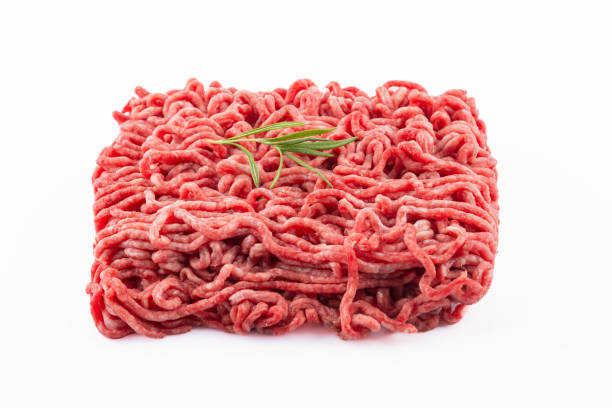
Ground turkey is another affordable protein option that provides a lean alternative to higher-fat meats like beef. Typically priced lower than ground beef, ground turkey offers a similar protein content but with fewer calories and fat. A 3-ounce serving of cooked ground turkey provides around 22 grams of protein, which makes it an excellent addition to dishes like tacos, chili, spaghetti, or meatballs. The lean quality of ground turkey means you can cook it in a variety of ways without feeling overly heavy afterward.
Nutritionists often suggest that “ground turkey is an excellent source of lean protein, providing a solid nutritional profile without the added fat found in some cuts of meat.” It’s a great choice for anyone looking to reduce fat intake while still getting a healthy dose of protein. Ground turkey is also highly versatile; it can be used in almost any recipe that calls for ground beef or pork. The bonus is that ground turkey is often on sale, making it a great buy for anyone trying to stick to a budget while still eating healthy. By incorporating ground turkey into your meals, you’ll enjoy a lean, cost-effective protein source that keeps both your nutrition and wallet in check.
10. Edamame: A Protein-Packed Snack

Edamame, the young soybeans often found in the freezer section of grocery stores, are an excellent source of protein and a perfect snack for any time of the day. A cup of edamame contains about 17 grams of protein, making it a top contender for those looking to add more plant-based protein to their diet. These beans are also packed with fiber, iron, and other important vitamins, making them a wholesome, nutritious option for busy days. Whether you steam them in the pod for a quick snack or toss them into salads or stir-fries, edamame offers plenty of ways to get your protein in without spending a lot.
Experts point out that “edamame is a nutrient-dense, low-cost protein that works well in both savory and sweet dishes.” Frozen edamame is typically cheaper than fresh, and it’s easy to store, so it’s always available when you need it. Plus, since it’s plant-based, it’s a great option for anyone following a vegetarian or vegan diet. Edamame can serve as a satisfying snack, appetizer, or side dish, and once you start incorporating it regularly, you’ll find that it’s not just cheap, it’s delicious and highly nutritious too. So, for those looking to boost their protein intake without breaking the bank, edamame is a go-to choice that’s both affordable and versatile.
11. Greek Yogurt: Creamy Protein Boost

Greek yogurt has quickly become a go-to protein source for many, and it’s not hard to see why. Unlike regular yogurt, Greek yogurt undergoes a straining process that removes excess liquid, resulting in a thicker texture and a more concentrated protein content. A single 6-ounce serving typically provides 15 grams of protein, making it one of the best dairy-based options for those seeking a low-cost, high-protein snack. Whether eaten on its own, added to smoothies, or mixed into recipes as a substitute for sour cream, Greek yogurt is both versatile and affordable. Plus, it’s packed with probiotics, which are great for gut health.
Nutritionists often recommend Greek yogurt for its “high protein content and numerous health benefits, such as improving digestion and supporting muscle repair.” One of the best things about Greek yogurt is its ability to satisfy hunger for longer periods due to the high protein content. While flavored varieties can be tempting, opting for plain Greek yogurt gives you full control over sweetness, and it typically costs less. You can mix in fruits, nuts, or a drizzle of honey to suit your taste. Greek yogurt is also an excellent breakfast option, giving you a protein boost first thing in the morning without the need for elaborate preparations. For anyone seeking affordable protein and a healthy snack, Greek yogurt is a winning choice.
12. Quinoa: A Complete Plant Protein

Quinoa is a grain that’s much more than a simple carbohydrate, it’s a plant-based protein powerhouse. Unlike other grains, quinoa contains all nine essential amino acids, making it a complete protein source. A single cup of cooked quinoa offers about 8 grams of protein, and with its fluffy texture and mild flavor, it pairs well with virtually any dish. Whether used as a side dish, base for salads, or added to soups, quinoa provides a hearty protein boost that’s both filling and nutritious. Plus, it’s naturally gluten-free, making it a great option for those with dietary restrictions.
“Quinoa is a nutrient-dense, plant-based protein that works well in a variety of dishes,” say dietitians, emphasizing its versatility and health benefits. Not only does quinoa provide protein, but it also offers fiber, magnesium, and antioxidants, making it a well-rounded choice for anyone looking to eat healthy without spending a lot. It’s easy to cook and stores well, meaning you can prep a big batch and use it throughout the week in different meals. And with its relatively low cost compared to other protein-rich options like meat or fish, quinoa is an affordable way to get a high-quality plant-based protein. It’s one of those ingredients that transforms a basic meal into something substantial, keeping both your nutrition and budget in balance.
13. Sardines: Small Fish, Big Protein

Sardines might not always be top of mind when thinking about protein, but they are a remarkably inexpensive source of high-quality protein that often gets overlooked. A 3-ounce can of sardines provides around 22 grams of protein, making them one of the most protein-dense foods you can buy. Sardines are also packed with omega-3 fatty acids, calcium, and vitamin D, making them a great choice for overall health. Because they’re small and generally lower on the food chain, sardines are more sustainable and affordable compared to other fish options like salmon or tuna.
Experts highlight that “sardines are an excellent, affordable protein source that also supports heart and bone health due to their rich omega-3 content and essential vitamins.” Buying them canned makes them incredibly convenient, just pop open a can, and they’re ready to eat. You can enjoy them straight out of the can, toss them into salads, or mix them into pasta dishes for added protein. While they might seem like an unconventional choice for some, sardines’ low cost and high nutritional value make them a smart, sustainable option for anyone looking to stretch their grocery budget. If you’ve never tried them before, you might be surprised by how versatile and satisfying they can be.
14. Tempeh: A Fermented Protein Wonder

Tempeh is another excellent plant-based protein source that’s often overshadowed by its more popular cousin, tofu. Made from fermented soybeans, tempeh is firmer and has a nutty flavor that makes it ideal for grilling, stir-frying, or crumbling into dishes like tacos or chili. A 4-ounce serving of tempeh contains around 21 grams of protein, making it a fantastic alternative for anyone looking to reduce their meat consumption while still getting a solid protein punch. Additionally, tempeh is a fermented food, which means it contains probiotics that promote gut health.
“Tempeh is a fantastic, affordable protein source that also provides fiber, vitamins, and minerals,” say plant-based nutrition experts, noting its superior protein content compared to other soy-based products. What’s more, tempeh is highly versatile and can absorb a wide range of flavors, making it perfect for a variety of recipes. Whether you’re pan-frying slices for a sandwich or adding it to a stir-fry, tempeh serves as a hearty and satisfying addition to many dishes. As a bonus, it’s typically less expensive than meat, which makes it a great protein option for those on a budget. With tempeh in your meal rotation, you’re guaranteed a delicious, high-protein dish without the hefty price tag.
15. Canned Beans: Easy Protein in a Can

Canned beans are an affordable and convenient protein source that can be easily incorporated into countless meals. Whether you opt for black beans, kidney beans, chickpeas, or pinto beans, they all offer similar protein content, around 15 grams of protein per cup. Beans are also an excellent source of fiber, which helps keep you feeling full for longer periods. They’re great for making quick and nutritious soups, stews, salads, or even veggie burgers. The best part is that canned beans are already cooked, which means you don’t have to worry about soaking or cooking them from scratch.
Nutritionists often emphasize that “canned beans provide a low-cost, nutrient-dense source of protein, making them a staple in a healthy diet.” Canned beans are inexpensive, easy to store, and have a long shelf life, so they’re a great addition to your pantry. While dried beans are even cheaper, canned beans offer ultimate convenience without sacrificing nutritional value. You can buy a few cans each week and use them in a variety of dishes, reducing food waste and saving money. As part of a balanced diet, canned beans can be used to bulk up meals, providing the protein you need at a fraction of the cost of animal-based sources.
16. Ground Beef (80/20): Affordable and High in Protein
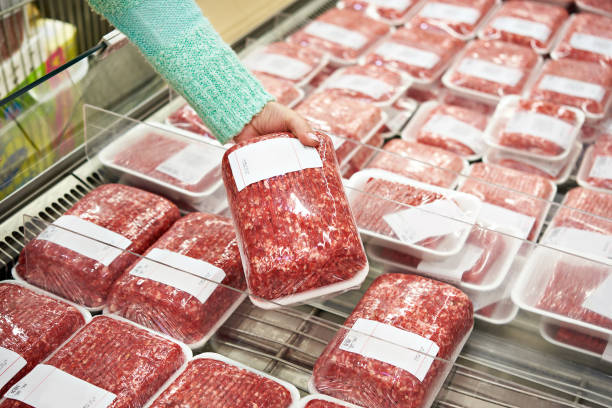
Ground beef, particularly the 80/20 variety (which is 80% lean and 20% fat), is one of the most accessible and affordable protein sources at the grocery store. It’s versatile and can be used in a wide variety of dishes, from tacos to burgers, meatballs, or spaghetti sauce. A 3-ounce serving of cooked ground beef provides about 21 grams of protein, making it a solid option for anyone looking to meet their protein goals without spending a lot. While the leaner cuts of ground beef may be more expensive, the 80/20 ratio offers a great balance between cost and protein content. The fat content also provides flavor, making it an excellent choice for juicy burgers or savory meat dishes.
Nutritionists note that “ground beef provides a high-quality source of protein and essential nutrients like iron and zinc, which are critical for maintaining muscle and immune function.” While some might avoid ground beef due to its higher fat content, when consumed in moderation, it remains a nutritious and affordable protein option. To make ground beef go further, consider using it in combination with other lower-cost ingredients, like beans or rice, for a more balanced meal. Ground beef can also be cooked in large batches and used for multiple meals, stretching your grocery dollar even further. If you’re looking for a protein source that’s both filling and cost-effective, ground beef remains one of the best options for your wallet.
17. Hummus: Protein from Chickpeas

Hummus, made from chickpeas, is an often-overlooked but fantastic source of plant-based protein. A 1/4 cup of hummus contains about 5 grams of protein, and it’s also a great source of fiber and healthy fats. While hummus is commonly used as a dip for veggies or pita bread, it’s also a versatile ingredient that can be added to salads, wraps, or sandwiches. Its creamy texture and rich flavor make it a satisfying addition to many meals, all while keeping your protein intake high and your costs low. Hummus can be purchased affordably at most grocery stores, or you can even make your own at home for an even cheaper option.
“Chickpeas are a nutrient-dense protein source, and hummus is an easy way to incorporate them into your diet without breaking the bank,” say nutrition experts. The beauty of hummus is that it’s not just about the protein, it also offers vitamins like folate and manganese, along with healthy fats from olive oil. By making hummus a regular part of your meals, you can easily boost your protein intake with a food that’s both nutritious and affordable. Whether as a snack, part of a meal, or as a dressing or spread, hummus offers great versatility, flavor, and a cost-effective way to reach your protein goals.
18. Milk: An Everyday Source of Protein
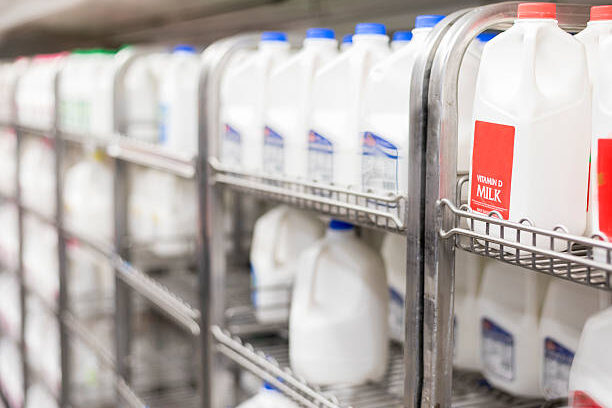
Milk is another classic, yet often underappreciated, source of affordable protein. One cup of cow’s milk provides approximately 8 grams of protein, and it’s rich in other essential nutrients such as calcium and vitamin D. While dairy products may not be a fit for everyone due to lactose intolerance or dietary preferences, for those who can include milk in their diet, it remains an inexpensive and easily accessible protein source. Whether enjoyed on its own, added to smoothies, or used in baking, milk serves as a versatile ingredient in both sweet and savory dishes. The cost of milk is relatively low, especially when compared to other protein-rich beverages or snacks.
Nutritionists often recommend milk for its “high-quality protein and ability to support bone health and muscle function.” Milk is also a quick, portable, and filling option, making it a great snack to pair with a handful of nuts or a piece of fruit. For those who need to meet protein requirements without spending a lot of money, milk is a simple and cost-effective way to do so. If you’re looking to maximize your protein intake, it’s easy to drink milk with breakfast, add it to coffee, or enjoy it as part of a snack or dessert. The consistency and value make it a consistent go-to protein source that’s both practical and affordable.
19. Sunflower Seeds: Small Snack, Big Protein

Sunflower seeds are often considered a healthy snack, but they’re also an excellent source of protein. A 1/4 cup serving of sunflower seeds provides about 7-8 grams of protein, along with healthy fats, fiber, and various vitamins and minerals. They’re a great addition to salads, trail mixes, or baked goods, or you can simply eat them by the handful as a snack. When buying sunflower seeds, opting for the bulk or unprocessed varieties can make them even more affordable. While nuts often get more attention for their protein content, sunflower seeds punch above their weight and provide an easy, cost-effective way to snack while getting plenty of protein.
Experts emphasize that “sunflower seeds are a convenient, nutrient-dense protein source, especially for those seeking a plant-based snack.” Not only are they rich in protein, but they’re also high in antioxidants and magnesium, which support heart health and muscle function. The small size of sunflower seeds makes them easy to store and incorporate into various dishes, and they offer a satisfying crunch that complements both sweet and savory flavors. With their long shelf life and relatively low cost, sunflower seeds are a great way to increase your protein intake without adding much to your grocery bill. Add them to your next grocery list and start enjoying their many benefits today.
20. Chia Seeds: Tiny Seeds, Big Protein Impact

Chia seeds might be tiny, but their protein content is surprisingly high for such a small food. A 2-tablespoon serving of chia seeds contains around 4 grams of protein, along with a wealth of omega-3 fatty acids, fiber, and antioxidants. Chia seeds can be sprinkled onto smoothies, oatmeal, or yogurt, or even mixed into baked goods to boost protein levels without increasing the cost of your meals. When hydrated, they absorb liquid and expand into a gel-like texture, which can be used in puddings or as an egg substitute in vegan recipes. Their versatility makes chia seeds easy to incorporate into your diet.
“Chia seeds are not only a source of protein but also a powerhouse of nutrients that support digestion and heart health,” say nutritionists, noting their high fiber and healthy fat content. With their long shelf life and compact size, chia seeds are easy to store and use as needed. While they may not be as protein-dense as some other sources, they still provide a significant amount of protein for their size, and their additional health benefits make them an excellent choice for anyone looking to round out their nutrition. By adding chia seeds to your grocery list, you’re ensuring you’re getting protein and nutrients in an affordable, long-lasting form.