
1. Stretching Chicken in a Hearty Stir-Fry

Chicken is often one of those expensive items that people buy in bulk, but sometimes a single breast just doesn’t seem like enough for a whole meal. Instead of using the chicken as the centerpiece, try cutting it into smaller pieces and combining it with lots of vegetables and a flavorful sauce. Think peppers, onions, snap peas, carrots, or mushrooms, any of your favorites. When you toss the chicken into the stir-fry, it gets a chance to absorb all the delicious flavors of the vegetables and the sauce. This way, the chicken is no longer the star, but more of a complement to the other ingredients, allowing you to use less without sacrificing the heartiness of the meal.
This method is ideal for those busy nights when you want to stretch your ingredients but still want a meal that feels indulgent. Experts recommend that “using vegetables as the primary base of a stir-fry allows you to make the meat a secondary ingredient, providing more value for your dollar.” When you incorporate these veggies and grains like rice or noodles, the overall dish expands in volume and nutritional value. Over time, you begin to realize that a single chicken breast can stretch across several servings, reducing the need to buy more meat and helping you get creative with what’s on hand. So, instead of throwing everything into a large chicken-based dish, stretch your protein in a stir-fry, and the savings (and flavors) will speak for themselves.
2. Turning Ground Beef into a Rich Pasta Sauce

Ground beef is a common grocery item that can easily feel expensive when purchased in large quantities. However, using ground beef in a hearty pasta sauce is a fantastic way to stretch its usage. By browning the beef and combining it with onions, garlic, tomatoes, herbs, and a splash of wine, you create a rich, flavorful sauce that can coat multiple servings of pasta. Instead of having the beef be the main protein in your meal, it becomes part of the sauce, which is more about flavor and less about sheer quantity. This allows you to reduce the amount of beef used while still achieving a filling meal.
Many home cooks use ground beef in pasta sauces, not only because it’s flavorful, but because “combining it with ingredients like garlic, onions, and tomato products allows it to stretch further.” This approach is perfect for those nights when you’re trying to make your ingredients go further. Instead of making a beef-heavy dish, the sauce allows you to use less meat while creating a meal that feels balanced and satisfying. By blending ground beef with other budget-friendly ingredients, like vegetables or even some lentils, you can stretch the meal even further, saving money while still enjoying a hearty, comforting dish. Over time, this approach becomes an intuitive part of your cooking routine, making it second nature to transform small portions of expensive ingredients into meals that last.
3. Using Cheese Sparingly in Vegetable Bakes

Cheese is one of those luxuries that feels indulgent, but a little goes a long way. Instead of making cheese the star of a dish, like in a cheesy pasta or pizza, try using it sparingly in a vegetable bake. You can load up on hearty vegetables such as potatoes, zucchini, spinach, or eggplant, then top them with a light sprinkle of cheese. The cheese will melt and brown in the oven, creating a rich layer of flavor that complements the vegetables without overwhelming them. This approach allows you to enjoy the flavor of cheese without needing large quantities, which can be expensive.
The great thing about vegetable bakes is that they can be incredibly versatile. “A small amount of cheese can make a huge difference in flavor, enhancing the overall dish without increasing the cost significantly,” says many chefs. Combining vegetables with a modest amount of cheese creates a well-balanced, satisfying meal that’s light on the budget but big on flavor. Over time, this method teaches you to rely on the natural flavors of vegetables while still enjoying the richness of cheese, all while making the most of your grocery budget. This strategy not only stretches your ingredients but also encourages you to cook more mindfully, focusing on how you can elevate simple ingredients to create something extraordinary.
4. Adding Beans to Meat-Based Dishes
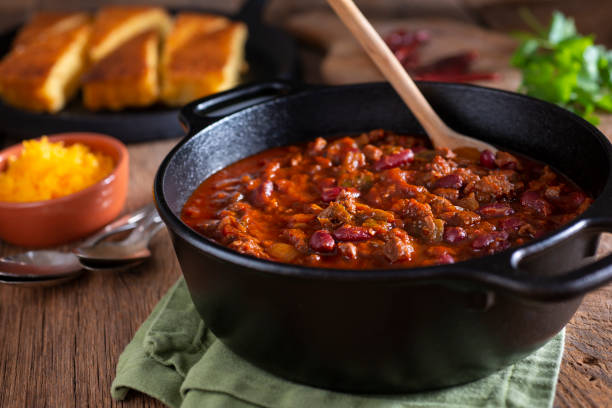
Beans are an incredibly cost-effective ingredient that can stretch meat dishes further without sacrificing flavor or texture. By adding beans to stews, chili, or casseroles that are traditionally meat-heavy, you can significantly reduce the amount of meat you need. Beans absorb the flavors of the dish and provide their own hearty texture, making them the perfect complement to meats like beef, pork, or chicken. For example, in a chili, adding kidney beans or black beans not only increases the bulk of the dish but also makes it more filling, allowing you to use less ground beef or turkey.
Many nutritionists agree that “combining beans with meat is a great way to stretch your food budget without losing out on protein.” Beans are packed with plant-based protein, which makes them a healthy and affordable substitute when mixed with meat. Over time, this method allows you to use fewer expensive ingredients like meat, while still creating a dish that’s hearty and satisfying. Whether you’re making tacos, chili, or a stir-fry, the beans fill in the gaps, providing both texture and nutrition. Not only does this save you money, but it also boosts the nutritional value of your meals. With this simple trick, you’ll be able to enjoy your favorite meat-based dishes while stretching your ingredients and your budget.
5. Making Seafood Go Further in Fried Rice

Seafood can often feel like a splurge, but when used cleverly, it doesn’t have to break the bank. One of the easiest ways to stretch a small portion of shrimp or fish is by adding it to a fried rice dish. Simply chop the seafood into smaller pieces, then toss it into your rice alongside a variety of vegetables, think peas, carrots, onions, and spinach. This not only distributes the seafood throughout the dish, but it also helps the flavor to permeate the rice, making it feel like there’s more than there actually is. When combined with eggs and a bit of soy sauce, this meal feels hearty and satisfying without needing much seafood.
The beauty of this dish lies in its ability to stretch seafood further without compromising on taste. “Seafood’s distinct flavor can be dispersed throughout the dish, allowing you to use less of it,” many chefs recommend. Fried rice is a perfect vessel for stretching expensive ingredients like shrimp or fish, especially since you’re already using staple ingredients like rice and vegetables, which are relatively inexpensive. Over time, you’ll find that a small amount of seafood goes a long way when combined with these pantry staples. The result is a delicious, budget-friendly dish that feels indulgent without stretching your wallet thin. So, next time you’re craving seafood, try incorporating it into a fried rice dish to make it go further.
6. Eggs as a Budget-Friendly Booster

Eggs are an incredible ingredient that stretches far beyond breakfast. Packed with protein, they’re a great way to bulk up any dish, whether it’s pasta, rice, or even salads. A frittata, for example, is an excellent way to stretch a few eggs and combine them with leftover vegetables, small amounts of cheese, or even bits of meat. This makes for a hearty meal that feels indulgent but is much more affordable. The eggs add a richness to the dish while binding everything together, turning what might be a few leftover ingredients into a complete meal.
Nutritionists often emphasize that “eggs are one of the most affordable sources of protein and can easily be incorporated into a variety of dishes.” Using eggs in a meal doesn’t just boost the nutritional value; it also adds bulk and creates a filling dish. Over time, you’ll learn that you don’t need to use large amounts of expensive ingredients to create satisfying meals—eggs do much of the heavy lifting. Whether used in casseroles, quiches, or even simple scrambled eggs with veggies, they turn small portions of meat and vegetables into something hearty and satisfying. This simple trick is a game changer for budget-friendly cooking that doesn’t skimp on taste.
7. Add Lentils for Extra Bulk
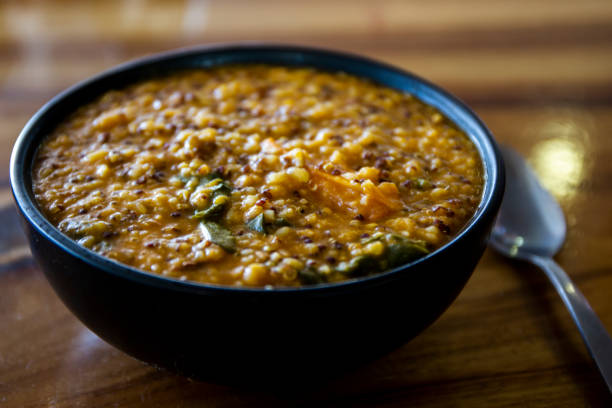
Lentils are an often-overlooked pantry staple that can do wonders for stretching expensive ingredients. When added to soups, stews, or curries, lentils not only provide a healthy, plant-based protein, but they also help fill out the dish, allowing you to use less meat. A small amount of chicken or beef, for instance, goes a long way when combined with a hearty serving of lentils. They absorb the flavors of the dish and add a pleasant texture, making the meal feel substantial and filling. Whether they’re blended into a rich curry or used to bulk up a vegetable soup, lentils are the perfect way to stretch expensive ingredients.
“Lentils are affordable, nutritious, and can easily be added to most dishes,” say many home cooks. This versatility makes them an invaluable addition to any budget-conscious kitchen. They take on the flavors of whatever you cook them with, so whether they’re in a spicy stew or a mild soup, they complement meat and vegetables seamlessly. Over time, you’ll notice that your meals feel more filling and balanced without needing to purchase larger portions of meat. Lentils are also high in fiber, which not only makes them an affordable option but also a healthy one. Adding lentils to your cooking becomes second nature as you realize how much they help stretch ingredients while enhancing both flavor and nutrition.
8. Using Pasta to Extend Proteins

Pasta is a true workhorse when it comes to stretching expensive ingredients. A small portion of meat, such as chicken, sausage, or ground beef, can be stretched into multiple servings when combined with pasta. By tossing the protein with cooked pasta, vegetables, and a flavorful sauce, whether it’s a tomato-based sauce, a creamy Alfredo, or a simple olive oil and garlic dressing, you create a hearty dish that feels satisfying without needing large amounts of expensive protein. Pasta serves as the perfect base to bring everything together and helps balance out the meal with its filling carbohydrates.
Food experts often mention that “pasta helps distribute smaller portions of protein across multiple servings, making meals feel more generous without increasing costs.” This is especially useful when you’re trying to reduce your grocery expenses but still want a meal that feels hearty and nourishing. By learning to pair your proteins with pasta, you’ll realize that the small amounts you purchase go a long way. And as you experiment with different sauces and combinations, you’ll discover that you don’t always need to load up on meat to create a meal that satisfies everyone at the table. Pasta quietly becomes a solution to making those expensive proteins last longer, letting you stretch your grocery budget without sacrificing flavor.
9. Build Soups That Stretch Small Portions
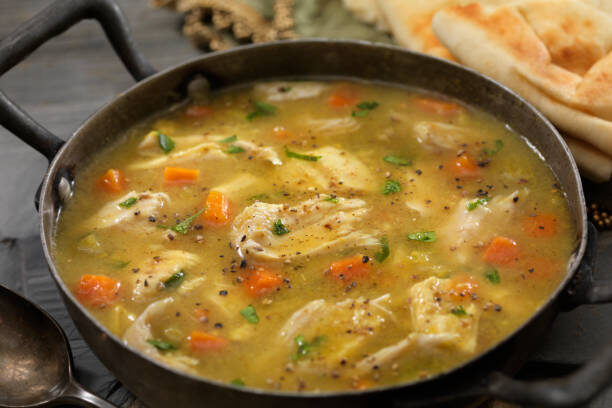
There’s something comforting about a pot of soup simmering quietly, especially when you know it’s going to stretch what you have into something generous. Even a small portion of chicken, beef, or fish can go a long way when added to a broth filled with vegetables, grains, or legumes. Instead of focusing on the protein as the center of the meal, it becomes part of a bigger picture, one that feels warm, filling, and complete. A few shredded pieces of chicken or small chunks of beef can flavor an entire pot, especially when paired with carrots, onions, potatoes, and herbs. It’s one of those meals that feels like more than the sum of its parts, and it doesn’t ask for much to get there.
Cooking experts often remind us that “soups are one of the most efficient ways to stretch ingredients because liquid distributes flavor evenly.” That simple idea makes a big difference. The broth carries the taste of the protein throughout the dish, so every spoonful feels satisfying, even if the meat itself is minimal. Adding rice, pasta, or beans further stretches the meal, turning it into something that can last for days. Over time, you begin to appreciate how a single ingredient can influence an entire dish without needing to dominate it. Soup becomes less about what you’re missing and more about what you’re building slowly, simply, and in a way that makes your groceries work harder for you.
10. Turn Small Cuts into Flavorful Tacos

Tacos have a way of making a little feel like a lot. A small portion of meat, whether it’s beef, chicken, or even fish can be stretched across several servings simply by slicing it thin and layering it with toppings. Once tucked into tortillas and paired with lettuce, tomatoes, onions, and a simple sauce, the meat becomes part of a balanced bite rather than the main focus. Each taco feels full, not because of the quantity of protein, but because of how everything comes together. It’s a simple shift, but one that changes how far your ingredients can go.
Many home cooks point out that “tacos allow for portion control while still delivering bold, satisfying flavors.” That’s what makes them so practical. You can add beans, grilled vegetables, or even rice to stretch the filling further, all without losing the essence of the dish. Over time, you start to see that it’s not about loading each taco with meat, but about building layers of texture and taste. A squeeze of lime, a spoonful of salsa, or a sprinkle of herbs can elevate everything without adding cost. This approach makes tacos not just a quick meal, but a smart one, where a little protein, used thoughtfully, turns into something that feeds more people and feels just as satisfying.
11. Create Grain Bowls That Carry the Meal

Grain bowls have a quiet way of bringing everything together without needing much of any one ingredient. A base of rice, quinoa, or couscous creates structure, while a small portion of protein like grilled chicken, beef strips, or roasted fish adds depth. The rest is filled in with vegetables, beans, and a simple dressing. What makes this approach work is how evenly everything is distributed. The expensive ingredient doesn’t have to stand on its own; it becomes part of a balanced mix that feels complete and nourishing.
Food experts often say that “grains act as a foundation that allows smaller portions of protein to go further.” That foundation matters more than we sometimes realize. It gives the meal substance, so you don’t rely on large amounts of meat to feel satisfied. Adding roasted vegetables or leafy greens increases both volume and variety, making each bowl feel full without extra cost. Over time, grain bowls become a flexible solution, you use what you have, adjust portions naturally, and still end up with something that feels thoughtfully put together. It’s a calm, practical way of cooking that quietly stretches your ingredients while keeping meals interesting and balanced.
12. Use Sauces to Do the Heavy Lifting

Sometimes it’s not the amount of an ingredient that matters, but how it’s supported. A good sauce can carry an entire dish, allowing you to use less of the more expensive components. Whether it’s a rich tomato sauce, a creamy base, or a simple blend of spices and oil, sauces spread flavor across every bite. That means a small portion of chicken, beef, or seafood can feel like enough because the sauce fills in the gaps, making the dish feel whole.
Cooking guides often mention that “flavorful sauces reduce the need for large quantities of expensive ingredients.” That idea becomes clear the more you cook this way. Instead of relying on bigger portions, you build depth through seasoning, herbs, and careful preparation. A well-seasoned sauce clings to pasta, coats vegetables, and brings everything together in a way that feels satisfying. Over time, you begin to trust that flavor doesn’t come from quantity alone. It comes from balance, from layering, and from knowing how to make each ingredient count. With the right sauce, even a small amount can feel generous, turning simple meals into something that feels complete without stretching your budget too far.
13. Turn Leftovers into Something New

There’s a certain satisfaction in opening the fridge and seeing leftovers not as scraps, but as possibilities. A small portion of roasted chicken, a few slices of beef, or even a bit of grilled fish can become the start of a completely new meal. Instead of reheating it the same way, you can fold it into a wrap, toss it into a salad, or stir it into rice or noodles. What once felt like not enough suddenly feels just right when paired with fresh ingredients. It’s a gentle shift in thinking, but one that quietly stretches your groceries further than expected.
Many cooking experts point out that “repurposing leftovers reduces waste and extends the value of ingredients.” That idea becomes clearer the more you practice it. A little meat can flavor an entirely new dish, especially when combined with sauces, grains, or vegetables. Over time, this habit changes how you cook from the start, you begin to plan meals with the next day in mind. Instead of cooking just enough, you cook with intention, knowing that today’s dinner can become tomorrow’s lunch. It’s not about making do, it’s about making the most, and that mindset brings both creativity and calm into your kitchen routine.
14. Mix Dairy into Dishes for Added Richness

Dairy has a quiet way of making meals feel fuller without needing much of anything else. A splash of milk in a soup, a spoonful of yogurt in a sauce, or a bit of cream stirred into pasta can transform simple ingredients into something that feels complete. Instead of relying heavily on meat or seafood, these additions bring richness and balance, allowing you to use smaller portions of more expensive items. It’s subtle, but it makes a difference you can taste.
Food experts often note that “dairy products enhance texture and flavor, helping meals feel more satisfying with less protein.” That’s what makes them so useful in everyday cooking. A creamy base can carry a dish, spreading flavor in a way that reduces the need for large quantities of other ingredients. Over time, you begin to rely on these small additions to round out your meals. It becomes less about adding more and more about using what you already have in a smarter way. This approach doesn’t just stretch your ingredients, it makes your cooking feel more thoughtful and balanced.
15. Layer Vegetables to Fill the Plate
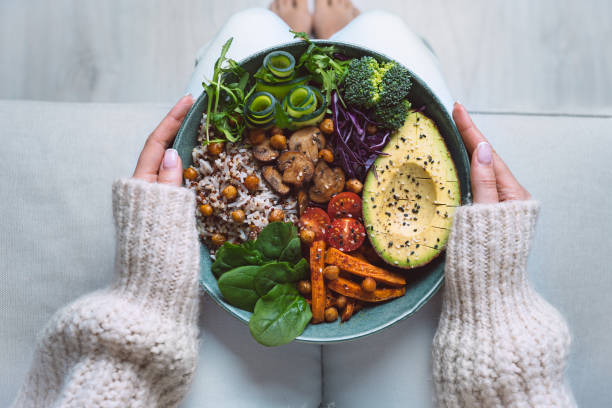
Vegetables have a way of quietly supporting a meal without demanding attention. When layered thoughtfully into dishes, they create volume, texture, and balance, allowing expensive ingredients to stretch further. Adding roasted vegetables to pasta, mixing greens into rice dishes, or building casseroles with a vegetable base changes the way a meal feels. The plate looks fuller, the flavors feel more rounded, and the need for large portions of meat fades into the background.
Nutrition experts often say that “vegetables add bulk and nutrients, helping reduce reliance on costly proteins.” That balance becomes more noticeable the more you cook this way. Instead of seeing vegetables as a side, they become part of the structure of the meal. Over time, you begin to enjoy the variety they bring, the colors, textures, and flavors that make each dish feel complete. It’s a quiet shift, but one that stretches your ingredients naturally, without feeling like you’re cutting back on anything important.
16. Use Rice and Grains as a Base

There’s something steady and reliable about a pot of rice or grains on the stove. They don’t ask for much, but they give a lot in return. When paired with a small portion of meat or seafood, they create a meal that feels balanced and filling. The grains carry the dish, allowing the more expensive ingredients to play a supporting role rather than taking center stage. It’s a simple approach, but one that works time and time again.
Cooking guides often mention that “grains are one of the most effective ways to extend meals without increasing cost.” That’s because they absorb flavors so well, blending seamlessly with sauces, vegetables, and proteins. Over time, you begin to rely on them as a foundation, building meals around what you already have instead of focusing on what you need more of. This way of cooking feels calm and practical, helping you stretch your ingredients while still creating meals that feel complete and satisfying.
17. Build Flavor Instead of Adding More

It’s easy to think that more ingredients mean a better meal, but often, it’s the way you use them that matters most. Building flavor through spices, herbs, and cooking techniques allows you to rely less on expensive ingredients. A well-seasoned dish, cooked with care, can feel rich and satisfying even with smaller portions of meat or seafood. It’s not about cutting back, it’s about building up in a different way.
Many chefs emphasize that “layering flavors creates depth without increasing cost.” That idea becomes clearer the more you experiment in the kitchen. Sautéing onions and garlic, adding spices at the right time, or finishing a dish with fresh herbs can transform simple ingredients into something memorable. Over time, you begin to trust these techniques, knowing that flavor doesn’t come from quantity alone. It comes from attention, patience, and a willingness to let each ingredient do its part.
18. Cook with Awareness, Not Just Ingredients

At some point, all these small habits begin to come together in a way that feels natural. You stop thinking in terms of stretching and start thinking in terms of balance. A little meat here, a handful of vegetables there, a grain base to bring it all together, it becomes less about what you’re trying to save and more about how you’re choosing to cook. Meals feel thoughtful, not forced, and the kitchen becomes a place where creativity quietly replaces worry.
As many cooking experts say, “good meals come from thoughtful combinations, not just expensive ingredients.” That idea settles in over time, shaping how you shop, cook, and even think about food. You begin to notice that you’re wasting less, using more of what you have, and still enjoying meals that feel complete. And maybe that’s the real shift, not just stretching ingredients, but stretching your perspective in a way that makes everyday cooking feel a little easier.