

1. Olive Oil: A Bottle That Rarely Stays the Same Price
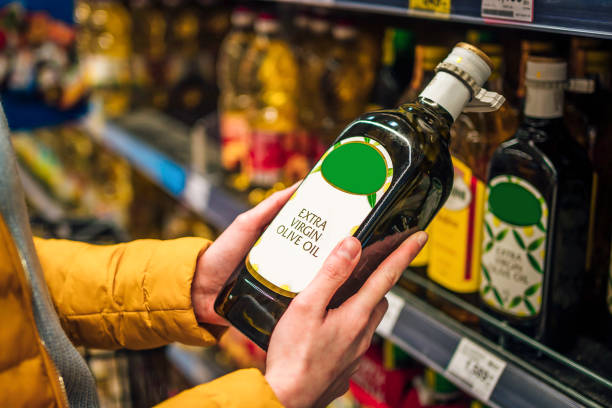
There’s something about picking up a bottle of olive oil that feels routine, almost automatic. You reach for it because you need it, not because you’re thinking about price changes. But over time, you might start noticing that the cost isn’t always consistent. Food market reports often point out that “olive oil prices fluctuate significantly due to harvest yields, weather conditions, and global supply chains,” and that explains why the same bottle can feel surprisingly expensive one week and more reasonable the next.
What makes olive oil worth checking before buying is how wide that price gap can be. Unlike smaller items, even a slight increase can make a noticeable difference in your total bill. And because it’s something you don’t buy every day, it’s easy to lose track of what a fair price actually looks like. Taking a moment to compare or recall recent pricing helps you avoid paying more than necessary. Over time, that small habit builds awareness, and instead of reacting to the price in front of you, you begin to shop with a quiet sense of timing that works in your favor.
2. Coffee: Daily Comfort with Shifting Costs

For many people, coffee isn’t just another grocery item, it’s part of the rhythm of the day. You pick it up because it’s essential, not because you’re analyzing the cost. But coffee is one of those products that tends to shift more than expected. Industry insights often note that “coffee prices are influenced by global production levels, weather conditions, and transportation costs,” which means the price you see today might not reflect what it was just a few weeks ago.
What makes this important is how regularly you buy it. Even small changes add up quickly over time. Without realizing it, you might be paying more simply because you didn’t notice the difference. Checking price history, even casually, helps you recognize when you’re getting a good deal versus when you’re paying a temporary high. It doesn’t take much effort, but it changes how you approach the purchase. Instead of buying out of habit, you begin to buy with awareness, and that shift quietly helps you save without giving up something you enjoy every day.
3. Eggs: A Staple That Moves More Than You Think

Eggs feel like one of the most stable items in your grocery basket. They’re always there, always needed, and usually one of the easier things to grab without overthinking. But if you’ve ever paused long enough, you might have noticed that their price doesn’t stay as steady as it seems. Market reports often highlight that “egg prices can fluctuate due to feed costs, supply disruptions, and seasonal demand,” which explains those moments when they suddenly feel more expensive than usual.
What makes eggs worth paying attention to is how frequently they’re purchased. Because they’re such a regular item, even a small price increase can quietly affect your overall spending. And since they’re often bought without much comparison, it’s easy to miss when the price is higher than it should be. Taking a second to check or recall recent pricing helps you stay a step ahead. Over time, that awareness turns a simple habit into a smarter one, allowing you to keep your routine without overspending.
4. Butter: Small Item, Noticeable Swings

Butter is one of those items that sits quietly in your fridge, showing up in meals without much thought. You don’t buy it every day, but when you do, you expect it to be reasonably priced. Still, it’s one of those products that can shift more than you’d expect. Food pricing data often notes that “butter prices are influenced by dairy supply, production costs, and seasonal demand,” which means the price you see isn’t always fixed. What makes butter worth checking is how those changes tend to go unnoticed until they add up.
You might grab it quickly, assuming the price is normal, only to realize later that it was slightly higher than usual. Because it’s not a frequent purchase, it’s easy to lose track of its typical range. But once you start paying attention, even casually, you begin to recognize when it’s a good time to buy. It’s a small shift in awareness, but one that helps you stay in control of your spending without changing your routine.
5. Breakfast Cereal: Bright Boxes, Shifting Prices
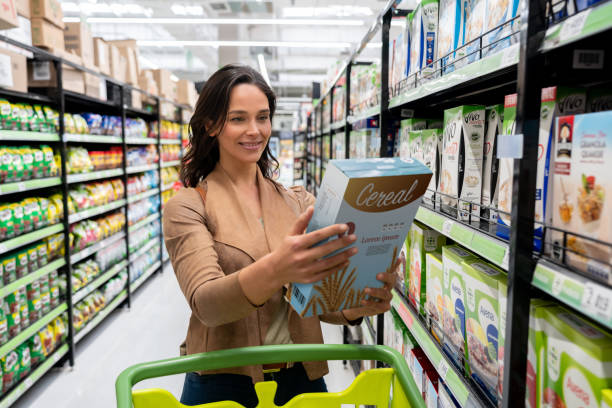
There’s something about cereal aisles that feels familiar, almost nostalgic. You walk past rows of colorful boxes, often reaching for the same one without thinking too much about it. But cereal is one of those items where the price can quietly change more often than you’d expect. Retail observations often note that “breakfast cereals are frequently subject to promotional pricing cycles, with discounts rotating across brands and weeks.” What makes cereal worth checking before buying is how those promotions work.
One week, your preferred brand might be heavily discounted, and the next, it’s back to full price while another brand takes its place on sale. If you’re not paying attention, you could easily end up paying more simply because of timing. Over time, noticing these patterns helps you shop a bit more intentionally. Instead of sticking rigidly to one option, you begin to adapt, choosing what’s reasonably priced at the moment. It’s a small adjustment, but it turns a routine purchase into a smarter one without changing much about your habits.
6. Cheese: Quiet Changes That Add Up

Cheese is one of those items that slips into your cart almost unnoticed. It’s used in so many meals, sandwiches, snacks, cooking, that you rarely stop to question the price. But if you look a little closer, you’ll notice that it doesn’t always stay consistent. Dairy market insights often mention that “cheese prices fluctuate based on milk supply, production costs, and seasonal demand.”
What makes this important is how easy it is to overlook those changes. Because cheese is often bought alongside other items, its price doesn’t always stand out. But over time, those small increases can add up, especially if it’s something you buy regularly. Taking a moment to compare or recall recent pricing helps you avoid overpaying without much effort. And once you start noticing the pattern, it becomes easier to spot when a deal is actually worth it. It’s not about cutting it out of your routine, but about being just a little more aware of when to buy.
7. Packaged Snacks: Deals That Rotate Constantly

Snacks are one of the easiest things to grab without much thought. You see something familiar, toss it into your cart, and move on. But packaged snacks are also one of the most heavily promoted categories in grocery stores. Pricing trends often point out that “snack products frequently rotate through discounts to attract repeat purchases and maintain visibility.”
What makes this category tricky is how quickly those prices can change. A snack that feels reasonably priced today might have been on a much better deal just a few days earlier. And because these items are often bought on impulse, it’s easy to miss those shifts. Over time, paying a little attention to pricing patterns helps you recognize when you’re getting real value. You don’t have to stop buying what you enjoy, you just start buying it at the right time. That small awareness keeps your spending in check without taking away the comfort of those familiar treats.
8. Frozen Pizza: Convenience with Changing Costs

Frozen pizza is one of those easy solutions you rely on when you don’t feel like cooking. It’s convenient, quick, and always there when you need it. But it’s also one of those items where pricing can vary more than expected. Retail insights often note that “frozen foods, especially convenience items like pizza, are frequently discounted as part of promotional cycles.” What makes frozen pizza worth checking is how predictable those discounts can be.
Many brands go on sale regularly, which means paying full price isn’t always necessary if you can wait a little. Without that awareness, it’s easy to buy it at its highest price point simply because you need it in the moment. Over time, noticing those cycles helps you plan better. You might pick up an extra one when it’s discounted, knowing you’ll use it later. It’s a simple shift, but it turns convenience into something that also works in your favor financially.
9. Orange Juice: A Cart Staple with Seasonal Swings

There’s something comforting about picking up a carton of orange juice. It feels like a simple, healthy addition to your grocery run, something you don’t need to overthink. But if you pause for a moment, you might notice that the price doesn’t always feel the same. Market insights often explain that “orange juice prices are heavily influenced by weather conditions, crop yields, and supply disruptions,” which means what you’re paying today could be quite different from what it was not long ago.
What makes this worth paying attention to is how easily those changes blend into your routine. Because it’s a familiar item, you’re less likely to question the price when it increases slightly. But over time, those small differences begin to add up, especially if it’s something you buy regularly. Taking a moment to check or remember recent pricing helps you recognize when you’re getting a fair deal. It’s not about making the process complicated, it’s about staying quietly aware so your everyday choices continue to work in your favor.
10. Chicken Breast: A Protein with Unpredictable Pricing

Chicken breast is one of those go-to items that finds its way into countless meals. It’s reliable, versatile, and often seen as a staple for many households. But despite that consistency in use, the pricing doesn’t always follow the same pattern. Industry reports often note that “poultry prices can fluctuate due to feed costs, supply chain factors, and seasonal demand.”
What makes chicken breast important to monitor is how much of your budget it can take up. Because it’s often bought in larger quantities, even a small increase per unit can have a noticeable effect on your total. And since it’s such a routine purchase, it’s easy to overlook when the price is slightly higher than usual. Over time, being mindful of those shifts helps you make better decisions, whether that means buying in bulk at the right moment or waiting for a better price. It’s a small habit, but one that brings a sense of control to something you buy so often.
11. Bread: Everyday Essential, Subtle Changes
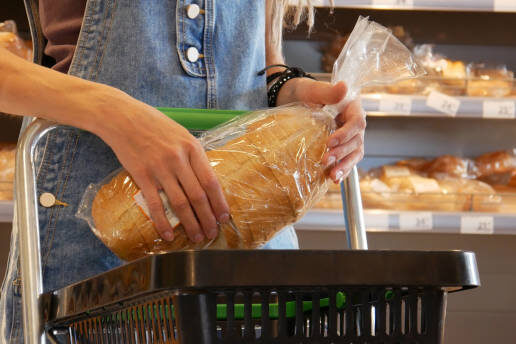
Bread is one of those items you reach for almost without thinking. It’s part of breakfast, lunch, and sometimes even dinner, which makes it feel like one of the most stable purchases in your cart. But even something as simple as bread doesn’t stay fixed in price. Market observations often mention that “bread prices are affected by wheat costs, transportation, and production expenses,” which means those small changes you notice now and then aren’t random.
What makes bread worth checking is how frequently you buy it. Because it’s such a regular item, even slight increases can quietly build up over time. And since the change is often gradual, it’s easy to miss unless you’re paying attention. Taking a moment to compare or recall previous pricing helps you stay aware without adding stress to your routine. Over time, that awareness becomes second nature, allowing you to keep buying what you need while staying within a budget that feels manageable.
12. Bottled Water: Simple Product, Surprising Markups

Bottled water feels like one of the most straightforward purchases you can make. It’s basic, necessary, and usually picked up without much thought. But if you look a little closer, you’ll notice that pricing can vary more than expected, depending on brand, packaging, and even store placement. Retail insights often point out that “bottled water pricing varies widely due to branding, packaging costs, and distribution factors.”
What makes this category interesting is how easy it is to overlook those differences. Because it’s seen as a basic necessity, you might assume the price is always reasonable. But in reality, you could be paying more simply because of branding or convenience. Over time, checking price history or comparing options helps you see where the real value lies. It’s not about overanalyzing a simple purchase, but about recognizing that even the most basic items can benefit from a little awareness. And once you see that, it becomes easier to make choices that keep your spending in check.
13. Ground Beef: A Staple That Moves with the Market
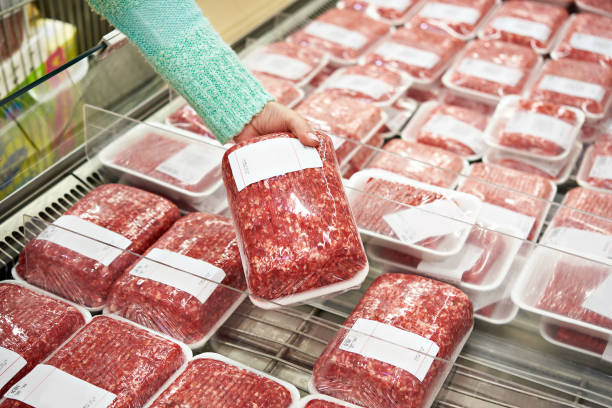
Ground beef is one of those items that feels essential in a quiet, dependable way. It shows up in different meals across the week, making it easy to pick up without much hesitation. But behind that familiarity, the price tends to shift more than expected. Market reports often explain that “beef prices are influenced by feed costs, supply levels, and broader agricultural conditions,” which means the number you see today might not reflect what it was even a short while ago.
What makes ground beef worth paying attention to is how quickly those changes can affect your total spending. Because it’s often bought in larger portions or used frequently, even a small increase can add up faster than you realize. And since it’s such a routine purchase, it’s easy to overlook those fluctuations. Taking a moment to check or recall recent pricing helps you stay grounded in what a fair cost looks like. Over time, that awareness allows you to make small adjustments, buying when it makes sense, without disrupting the meals you already enjoy.
14. Fresh Berries: Seasonal Pricing in Plain Sight
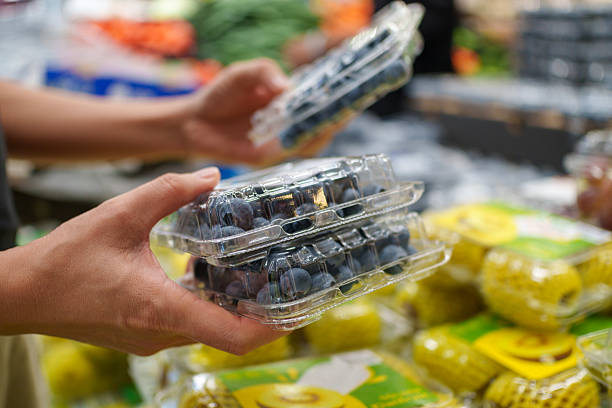
Fresh berries have a way of drawing your attention the moment you see them. They look vibrant, fresh, and easy to add to your basket without much thought. But they’re also one of the most seasonal items in the store. Agricultural insights often note that “berry prices fluctuate significantly depending on harvest seasons and supply availability,” which explains why they sometimes feel affordable and other times noticeably expensive.
What makes berries important to check is how quickly those seasonal changes happen. One week they might feel like a great deal, and the next, they’re priced much higher without much explanation. Because they’re often bought on impulse, it’s easy to miss those shifts. Over time, paying attention to when they’re in season helps you enjoy them at their best value. It’s not about avoiding them, but about recognizing when the timing works in your favor. That small awareness helps you enjoy the same foods without feeling like you’re overspending.
15. Ice Cream: Treat Pricing That Comes and Goes

Ice cream is one of those items that feels like a small reward. You don’t always plan for it, but when you see it, it’s easy to add it to your cart. What’s interesting, though, is how often its price changes. Retail trends often mention that “ice cream brands frequently rotate discounts to encourage repeat purchases and seasonal demand,” which means the price you see isn’t always its usual one.
What makes this worth noting is how predictable those changes can be if you pay attention. Many brands go on sale regularly, which means buying at full price isn’t always necessary. Without that awareness, it’s easy to pick it up at its highest price point simply because it’s there. Over time, noticing those patterns helps you time your purchase a little better. You still enjoy the same treat, but in a way that feels a bit more intentional. It’s a small shift, but one that quietly keeps your spending balanced.
16. Pasta Sauce: Pantry Staple with Rotating Deals

Pasta sauce is one of those items you like to keep on hand, ready for those quick, easy meals. It feels like a stable purchase, something you don’t need to think too much about. But like many packaged goods, its pricing often follows a cycle. Grocery insights often point out that “shelf-stable products like pasta sauce are frequently discounted in promotional rotations to drive volume.”
What makes pasta sauce interesting is how consistent those cycles tend to be. If you pay attention, you’ll notice that the same brands go on sale regularly, which means you rarely have to pay full price. But if you’re not looking, it’s easy to grab it at a higher cost simply out of convenience. Over time, recognizing that pattern helps you plan a little better, picking up an extra jar when it’s discounted and skipping it when it’s not. It’s a simple habit, but it turns an everyday item into an opportunity to save without changing how you cook or eat.
17. Laundry Detergent: A Household Essential Worth Timing Right

Laundry detergent might not sit in the grocery aisle, but it often ends up in the same cart, part of that routine trip where you pick up everything you need at once. It’s one of those essentials you can’t really skip, which makes it easy to buy without thinking about the price too much. But pricing trends often note that “household essentials like detergent frequently go on sale in predictable cycles, with significant price differences between promotions.”
What makes detergent different is how much you can save simply by paying attention to those cycles. Because it’s not something you need every week, you have a bit more flexibility in when you buy it. That gives you the advantage of waiting for a better price instead of purchasing it at its peak. Over time, that small shift in timing makes a noticeable difference, especially for something you’ll always need.