

1. Frozen Berries Save Money and Reduce Waste

There’s something about berries that always feels like a small luxury. Fresh strawberries, blueberries, and raspberries look beautiful in the store, but the price can be surprisingly high, especially when they’re not in season. What makes it more frustrating is how quickly they spoil. You buy a pack with good intentions, maybe for smoothies or breakfast, and a few days later they’re already soft or moldy. Frozen berries solve this problem in a very simple way. They are usually picked at peak ripeness and frozen immediately, which means they still taste good and keep their nutrients. Because they are packaged in larger quantities and last for months, the cost per portion is usually much lower than fresh berries.
Another reason frozen berries are cheaper in the long run is because nothing gets wasted. You don’t have to rush to finish them in two days, and you can pour out only what you need each time. People use frozen berries for smoothies, oatmeal, yogurt, baking, pancakes, and even sauces. Many home cooks say they stopped buying fresh berries regularly because they were tired of throwing half of them away. Frozen berries became their everyday option, and fresh berries became an occasional treat. It’s one of those small grocery habits that doesn’t feel like a big change but quietly saves money every month while still letting you enjoy the foods you like.
2. Frozen Vegetables Are Cheaper and Always Available

Frozen vegetables are probably one of the easiest ways to save money on groceries without changing what you eat. Fresh vegetables are great, but they depend heavily on season and storage. Sometimes vegetables look good in the store, but after a few days in the fridge they become soft, wilted, or spoiled. When that happens, you’re not just losing food, you’re losing money. Frozen vegetables are processed shortly after harvest and stored in a way that keeps them usable for a very long time. Because they are packaged in bulk and stored longer, they are often cheaper than fresh vegetables, especially things like peas, carrots, sweet corn, broccoli, and mixed vegetables.
Another reason people rely on frozen vegetables is convenience. They are already washed, peeled, and cut, which means you can cook faster and waste less time preparing food. On busy days, you can just pour some frozen vegetables into rice, noodles, soup, or stew and your meal immediately becomes more balanced. Many people also say frozen vegetables help them eat healthier because they always have vegetables available at home. Instead of skipping vegetables because nothing fresh is in the fridge, they just open the freezer and cook. Over time, this simple habit saves money, reduces food waste, and makes cooking less stressful, which is why frozen vegetables have become a quiet staple in many homes.
3. Frozen Chicken Is Often Cheaper When Bought in Bulk
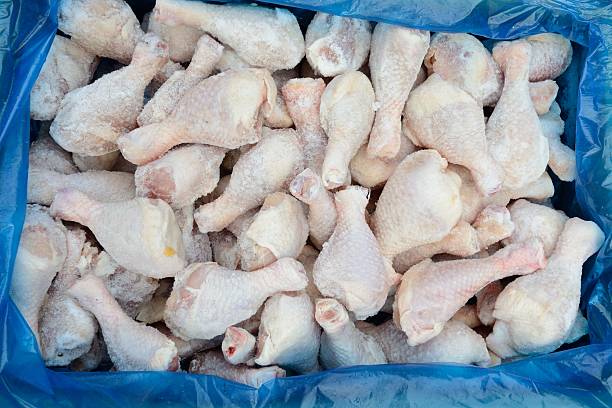
Chicken is one of the most commonly eaten proteins in many households, but buying fresh chicken all the time can become expensive, especially if you buy specific parts like breast, wings, or boneless cuts. Frozen chicken is often cheaper because it is sold in bulk packages and stored for longer periods, which reduces storage and transportation costs. Stores also tend to run more discounts on frozen chicken because it doesn’t spoil quickly. For families or people who cook regularly, buying frozen chicken in bulk and storing it in the freezer can save a noticeable amount of money over time.
Another advantage of frozen chicken is that it helps with meal planning. Fresh chicken usually needs to be cooked within a day or two, which can sometimes feel like pressure if you get busy or change your meal plans. Frozen chicken removes that pressure because you can cook it whenever you want. Many people divide frozen chicken into smaller portions so they can thaw only what they need. This reduces waste and makes cooking more flexible. Over time, people realize that frozen chicken is not just about convenience, it’s about controlling food spending in a very practical way. It’s one of those quiet grocery strategies that experienced shoppers use to keep their food budget under control without changing their diet too much.
4. Frozen Fish Can Be More Affordable Than Fresh Fish

Fish is one of those foods that many people want to eat more often, but the price of fresh fish sometimes makes that difficult. Fresh fish also spoils very quickly, so you have to cook it almost immediately after buying it. Frozen fish, on the other hand, is usually frozen shortly after being caught, which helps preserve freshness while also making it easier to transport and store. Because of this process, frozen fish is often cheaper than fresh fish in many grocery stores, especially for fillets like salmon, tilapia, cod, or mackerel.
Frozen fish is also very practical for people who don’t cook fish every day. Instead of worrying about fish going bad in the fridge, you can keep frozen fish in the freezer for weeks or even months and cook it when you need it. This makes meal planning easier and reduces food waste. Many people actually prefer frozen fish because they can buy it when it’s on sale and store it for later meals. Over time, this saves money and makes it easier to include fish in your diet regularly. It’s one of those freezer items that people start buying for convenience but continue buying because it makes financial sense.
5. Frozen Spinach Gives You More for Your Money
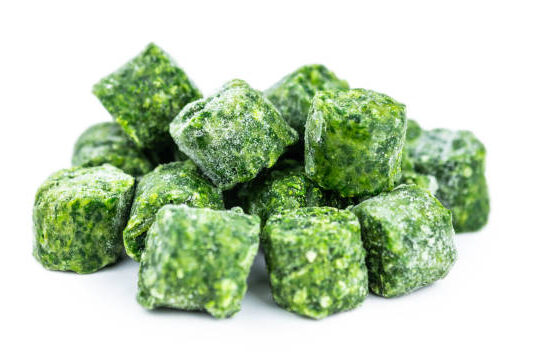
Spinach is one vegetable that can be a bit misleading when you buy it fresh. You might buy a big bag of fresh spinach, but once you cook it, it shrinks to a very small amount. This means you often need multiple bags just to cook one meal for a family. Frozen spinach is different because it is already cooked down and compressed into blocks or packs. When you buy frozen spinach, you are actually getting a larger usable quantity compared to fresh spinach for the same price or even less.
Frozen spinach is also very easy to use in everyday cooking. You can add it to soups, stews, pasta, rice, eggs, sauces, or smoothies. Because it’s frozen, you can cut off a small portion and put the rest back in the freezer. Fresh spinach usually spoils within a few days, especially if you forget it in the fridge drawer. Many people switch to frozen spinach after realizing how much fresh spinach they were throwing away every month. Frozen spinach may not look as attractive as fresh leaves, but when it comes to cooking and saving money, it often makes more sense and becomes a regular item on the grocery list.
6. Frozen Peas Are Small but Very Practical

Frozen peas are one of those quiet freezer staples that many households rely on without really talking about it. Fresh peas are not always easy to find, and when you do find them, they often require a lot of work to remove from the pods. Frozen peas come already prepared, cleaned, and ready to cook, which saves both time and effort. They are usually sold in medium or large bags, and the price per portion is often much lower than buying fresh peas. Because they are frozen, they also keep their color, texture, and taste very well when cooked.
Another reason frozen peas are popular is how easy they are to add to everyday meals. You can throw a handful into fried rice, noodles, pasta, stew, or even scrambled eggs. They cook very quickly, so they are perfect for quick meals after a long day. Many people keep frozen peas in the freezer because they make meals look more complete without much effort or cost. Over time, people realize that small items like frozen peas help stretch meals further and reduce grocery spending in a very simple way. It’s one of those foods that may not look exciting in the store, but once it’s in your freezer, you end up using it more often than you expected.
7. Frozen Corn Is Convenient and Budget Friendly

Corn is another food that is often cheaper frozen than fresh, especially when it is not in season. Fresh corn usually comes on the cob, which means you have to peel it, boil it, and cut the kernels if you want to use it in recipes. Frozen corn skips all those steps. It is already cleaned and removed from the cob, so you can pour it straight into whatever you are cooking. Because it is processed and packaged in bulk, frozen corn is often sold at a lower price per portion than fresh corn.
Frozen corn is also very versatile in the kitchen. You can add it to rice, salads, soups, stir fry, noodles, sauces, or even eat it as a simple side dish with butter. Since it stays in the freezer for a long time, you don’t have to worry about it spoiling like fresh corn would. Many people like frozen corn because it’s easy, affordable, and reduces food waste. It’s especially helpful for people who cook small portions because they can use just a little at a time. Over time, frozen corn becomes one of those foods you always want to have in the freezer because it makes meals easier and cheaper without much effort.
8. Freezing Bread Helps You Stop Throwing Money Away

Bread is one of the most commonly wasted foods in many homes. You buy a loaf with the intention of eating it over a few days, but sometimes it goes stale or moldy before you finish it. When that happens, you’re not just throwing away bread, you’re throwing away money. One simple solution many people have discovered is buying bread and storing it in the freezer. Some stores even sell frozen bread at slightly lower prices than fresh bakery bread, which makes it even more economical.
Frozen bread is very easy to use. You can take out a few slices at a time and toast them or warm them up, and they taste almost like fresh bread. This works especially well for people who don’t eat bread every day but still want to have it available at home. Instead of rushing to finish a loaf before it spoils, you just freeze it and use it slowly. Over time, this habit reduces food waste and grocery spending. It’s a small change, but many people are surprised how much bread they used to throw away before they started using the freezer.
9. Frozen Pizza Can Save You From Expensive Takeout
Frozen pizza is one of those foods that people sometimes overlook because they compare it to fresh restaurant pizza. But when you compare frozen pizza to ordering takeout regularly, frozen pizza is usually much cheaper. Having one or two frozen pizzas in the freezer can help on days when you are tired, busy, or don’t feel like cooking. Instead of ordering expensive food delivery, you just put the pizza in the oven and have a meal ready in a short time.
Many families keep frozen pizza as a backup meal for busy days or weekends when everyone wants something quick and easy. It’s not necessarily something people eat every day, but it helps reduce how often they spend money on fast food or restaurant meals. Over time, replacing even a few takeout meals with frozen pizza can save a noticeable amount of money. It’s one of those convenience foods that actually helps control spending if used occasionally and wisely.
10. Frozen Dumplings Are Cheaper Than Eating Out

Dumplings are a favorite comfort food for many people, but buying them from restaurants regularly can be expensive. Frozen dumplings are often sold in large bags at grocery stores, and the price per dumpling is usually much lower than buying cooked dumplings outside. They are also very easy to cook by boiling, steaming, or frying, which makes them a convenient meal option.
Many people keep frozen dumplings in the freezer for quick lunches, dinners, or snacks. You don’t need many ingredients to prepare them, and they cook quickly. Buying frozen dumplings in bulk is usually much cheaper than buying small portions repeatedly from restaurants or food vendors. Over time, people realize that keeping simple frozen foods like dumplings at home reduces how often they spend money on outside food. It’s another example of how the freezer can quietly help you manage food spending better.
11. Frozen French Fries Are Cheaper Than Fast Food Fries

Buying fries from fast food restaurants regularly can add up quickly, even though each purchase seems small. Frozen French fries are usually sold in large bags that can be cooked at home in an oven or air fryer. When you compare the cost per portion, frozen fries are often much cheaper than buying fries outside multiple times. Many households keep frozen fries for quick meals or side dishes.
They are easy to cook and don’t require much preparation. Instead of going out to buy fries, people just cook them at home and save money. Over time, small decisions like this make a big difference in food spending. Frozen fries are not necessarily healthier than fresh potatoes, but they are definitely more affordable than buying fries from restaurants regularly.
12. Frozen Meatballs Help Stretch Meals Further

Frozen meatballs are usually sold in large bags, which makes them cheaper per portion compared to buying small packs of fresh meatballs or prepared meals. They are also very versatile and can be used in pasta, rice dishes, sandwiches, soups, or sauces. Because they are already prepared, they save cooking time and make meal preparation easier.
Many people like frozen meatballs because they help stretch meals. Instead of cooking a large amount of meat, you can add a few meatballs to pasta or rice and still have a filling meal. This helps reduce how much meat you use per meal, which saves money over time. Frozen meatballs are one of those foods that are not always exciting, but they are very practical for budgeting and meal planning.
13. Frozen Pancakes and Waffles Save Breakfast Money

Breakfast is one meal people often skip or buy outside when they are in a hurry. Buying breakfast outside regularly can become expensive over time. Frozen pancakes and waffles are often sold in packs that are cheaper per serving than buying breakfast from cafes or restaurants. They are easy to heat in a toaster or microwave, which makes them convenient for busy mornings.
Many people keep frozen pancakes or waffles in the freezer for quick breakfasts before work or school. Instead of skipping breakfast or spending money outside, they just heat a few and eat at home. Over time, this saves money and also helps people maintain a regular breakfast routine. It’s another example of how frozen food can be both convenient and economical at the same time.
14. Frozen Shrimp Lasts Longer and Quietly Saves You More

Shrimp is one of those foods people enjoy but often hesitate to buy too often because of the price and how quickly it spoils. Fresh shrimp looks appealing at the market, but it usually needs to be cooked the same day or stored very carefully, which can feel a bit stressful if your plans change. Frozen shrimp removes that pressure in a very simple way. It is typically frozen shortly after being caught, which helps preserve both its freshness and taste while also making it more affordable. Because it is packaged and sold in larger quantities, the cost per portion is often lower than fresh shrimp, and you are not paying for urgency, just for the food itself.
What makes frozen shrimp even more practical is how flexible it is in everyday cooking. You can take out a small portion, thaw it, and cook just what you need without touching the rest. That alone reduces waste in a way that fresh shrimp simply cannot. Many packs also come already cleaned and deveined, which saves time and makes cooking feel easier, especially on busy days. People who regularly cook at home often say frozen shrimp changed how often they include seafood in their meals because it feels less risky and more manageable. Instead of treating shrimp like a special occasion ingredient, it becomes something you can use casually in rice, pasta, stir fry, or simple sauces. Over time, that shift makes a difference, not just in how you cook, but in how you spend, and it’s one of those quiet adjustments that pays off without needing much effort.
15. Frozen Fruit Makes Smooth Living Feel Effortless

Frozen fruit has a way of fitting into everyday life without demanding too much attention. Fresh fruit is great, but it comes with small pressures, you have to eat it quickly, store it properly, and sometimes accept that a portion will go bad before you get to it. Frozen fruit takes all of that away. It is usually prepared and frozen at peak ripeness, which means the flavor is still there, and it can sit in your freezer for weeks or even months without any rush. Because it is processed in bulk and doesn’t require fast turnover, it is often cheaper than fresh fruit, especially for things like mango, pineapple, berries, or mixed fruit packs.
What makes frozen fruit even more appealing is how naturally it fits into routines. If you make smoothies, it becomes almost essential because it gives that thick, cold texture without needing ice. If you bake or prepare quick desserts, it’s already chopped and ready to go. Many people gradually shift to frozen fruit not because they planned to save money, but because it simply makes life easier. You stop worrying about fruit spoiling in the fridge, and you start using what you buy more consistently. Over time, that consistency turns into savings without feeling like you’re cutting back. It’s one of those quiet changes where your kitchen starts working with you instead of against you, and you realize you’re wasting less while still enjoying the same foods in a slightly more practical way.
16. Frozen Soup and Broth Bring Comfort Without the Rush

Soup is one of those meals that always feels comforting, but making it from scratch or buying it fresh every time can feel like a commitment. Fresh soup usually needs to be eaten quickly, and if you cook a large pot, there’s always the risk that some of it goes to waste. Frozen soup and broth offer a simple alternative that fits better into everyday life. Many stores now sell frozen soup in larger portions that cost less per serving than fresh options, and for those who cook at home, freezing leftover soup has become a very practical habit. It allows you to cook once and eat multiple times without worrying about spoilage.
There’s also something reassuring about knowing you have a ready meal waiting in the freezer. On days when you’re tired, busy, or just not in the mood to cook, having frozen soup means you don’t have to spend extra money ordering food. You simply heat it up and eat. That convenience doesn’t feel like much in the moment, but over time it changes how often you rely on takeout. Many people who start freezing soup say it helps them feel more organized in the kitchen without needing strict planning. It’s not about doing anything complicated, it’s just about keeping what you already have and using it wisely. In that sense, frozen soup becomes more than just food storage, it becomes a small, steady way to make everyday meals easier and a little more thoughtful.
17. Frozen Ready Meals Make Busy Days Feel More Manageable

Frozen ready meals often carry a bit of a reputation, but when you look at them closely, they serve a very practical purpose. Not every day goes according to plan, and there are always moments when cooking feels like too much. On those days, the alternative is usually ordering food, which adds up quickly over time. Frozen ready meals offer a middle ground. They are already portioned, easy to prepare, and often cost less than takeout. Whether it’s a simple rice dish, pasta, or a stir fry, these meals are designed to be convenient without requiring much effort, and that convenience can quietly help manage spending.
What many people come to appreciate is not just the price, but the sense of control these meals provide. Instead of reacting to hunger by spending more than intended, you already have something available at home. That small shift changes habits over time. You start relying less on impulse decisions and more on what you’ve already prepared for yourself. It doesn’t mean you stop enjoying restaurant food, it just means you choose it more intentionally. And somewhere along the way, you realize the freezer isn’t just a place where food sits, it’s where small, thoughtful decisions add up. By the time you get used to keeping a few ready meals on hand, you’re not just saving money, you’re making everyday life a little smoother, one meal at a time.