

1. Watch for Changes in Packaging

The first clue often isn’t the product itself, but the packaging. Companies sometimes shrink the item and subtly adjust the packaging so it looks almost the same. For example, a chocolate bar may be a few grams lighter, or a box of cereal slightly narrower, but the overall look remains familiar. Shoppers might not notice these small changes unless they are paying attention. Observing details like the thickness of a wrapper, the height of a box, or the fill level can help you spot shrinkflation before it becomes a pattern.
Food industry analysts note that packaging adjustments are a classic sign of shrinkflation. One consumer report explained, “When brands don’t want to raise prices outright, they often shrink products slightly, hoping shoppers won’t notice.” Being aware of these subtle differences and comparing them to previous purchases can make you more alert. It’s easy to overlook small shifts when we’re used to seeing products a certain way, but a careful glance every now and then is often all it takes to catch the change early.
2. Check the Net Weight

Even if packaging looks the same, the net weight can tell a different story. Labels listing grams, ounces, or liters are often the first place to spot shrinkflation. Many shoppers focus on the price and forget to compare the exact weight or volume. A product might seem unchanged visually, but it may be a few grams lighter than last time. Keeping an eye on net weight, especially for frequently purchased items, helps you track shrinkflation before it affects your grocery budget.
Experts say that net weight is one of the most reliable indicators of shrinkflation. Consumer advocacy groups often advise people to compare the listed weight with previous purchases or check online product information. “Even minor reductions can add up over time,” one report explained, “and consumers rarely notice until months later.” By making a habit of checking labels, you can stay ahead and avoid paying more for less without realizing it.
3. Compare Unit Prices

Unit pricing like cost per ounce, gram, or liter is a smart way to spot shrinkflation. While the overall price might appear reasonable, the unit price may be higher than before. Most supermarkets display unit prices on shelf tags, which makes comparing easier. Paying attention to this number can reveal trends that aren’t obvious at first glance. For example, your favorite snack might still cost $3, but if it’s now smaller, the unit price is higher.
Consumer finance experts often emphasize unit price as a critical tool for spotting shrinkflation. “Unit pricing allows shoppers to make informed comparisons, even if packaging changes,” one guide explained. Using it consistently helps you notice whether products are truly maintaining value or quietly shrinking. Over time, this habit can make a significant difference in how you manage your grocery budget and make smarter choices about which brands to buy.
4. Be Wary of Visual Tricks

Design and imagery can be used to distract from shrinkflation. Companies often make the package look bigger by stretching logos, adding colorful backgrounds, or changing the font size. Even if the product is smaller inside, our brains perceive it as the same size due to these visual tricks. Paying attention to the actual contents rather than just the overall look can help you spot these subtle changes.
Packaging designers are aware that visual perception influences buying behavior. Marketing studies show that shoppers often overlook changes if the overall appearance feels familiar. “Visual cues can mislead consumers into thinking quantity is unchanged,” one marketing journal noted. Being mindful of design adjustments and checking labels rather than relying solely on perception is a practical way to detect shrinkflation early.
5. Look for Subtle Changes in Product Texture

Shrinkflation doesn’t always show up in size, it can also sneak in through subtle changes in texture or feel. For example, a cookie that used to be crisp and thick might now be slightly thinner or softer, or a chocolate bar might break differently than before. Even liquids like juice or sauces can feel lighter, thinner, or less dense. These changes might seem minor at first, but over time, they reveal that something about the product has changed, often in line with shrinkflation. Paying attention to how your usual products feel in hand, or even taste, can alert you to changes before the price difference becomes obvious.
Food analysts point out that texture changes are often intentional when brands shrink products. A report on grocery trends explained, “Manufacturers sometimes adjust recipes to reduce volume or cost while maintaining a perception of quality. The result can be a subtle difference in texture or density that goes unnoticed by most consumers.” Keeping track of these small differences—maybe even noting your observations in a notebook or phone app can be a surprisingly effective way to spot shrinkflation early. When your favorite snacks start feeling different in hand, that’s your signal to investigate the label and compare with past purchases. Over time, you develop a sharper awareness that protects both your taste experience and your wallet.
6. Compare Old and New Serving Sizes

Many products reduce their serving size while keeping the same package. For example, a yogurt cup might still look the same, but the listed serving size could have dropped from 200 grams to 180 grams. The change is often subtle, and without careful observation, it’s easy to overlook. By consistently checking the serving sizes on nutrition labels, shoppers can spot reductions before they become noticeable in daily consumption. This is especially useful for packaged snacks, cereals, and beverages.
Experts emphasize that tracking serving sizes is a practical way to fight shrinkflation. One consumer advocate stated, “Even small reductions in serving size can significantly affect the value over time. A habit of comparing serving sizes can save shoppers money and frustration.” The trick is to not just glance at the package but to read the fine print. Over time, knowing the original serving sizes for your favorite products will make it easier to detect subtle reductions. With this knowledge, you can make informed choices, whether that means switching brands, buying in bulk, or adjusting portions to avoid paying more for less.
7. Track Your Favorite Brands

Shrinkflation often affects some brands more than others, so keeping track of your go-to products can give you an early warning system. Regularly comparing the same items over time whether it’s the weight, packaging, or price per unit can help you notice gradual changes. Some people keep a small spreadsheet or photo record of their favorite items to make spotting shrinkflation easier. The key is to develop awareness of your usual shopping patterns so changes don’t sneak up on you.
Industry reports indicate that brand loyalty can sometimes backfire when it comes to shrinkflation. “Consumers tend to trust familiar brands, making them less likely to notice small reductions in size or quantity,” one market research study noted. Tracking your favorite brands over time counteracts this effect. Even small shifts, like a slightly thinner chocolate bar or a few less chips in a bag, can add up if unnoticed. By comparing your trusted products regularly, you maintain control over your purchases and can decide whether it’s worth paying the same price or looking for a better deal elsewhere.
8. Notice Price Increases Without Changes

Sometimes shrinkflation is paired with subtle price hikes. A product might appear identical, but a few cents or dollars more on the shelf can indicate a reduction in quantity rather than just inflation. If the price seems to climb while the package feels similar, it’s a cue to investigate further. Comparing old receipts, store flyers, or online listings can help you spot patterns. Even small price differences matter when multiplied across frequent purchases.
Economists point out that price tracking is one of the most straightforward ways to catch shrinkflation. “When consumers notice a small price increase without obvious improvements or size changes, it’s often a warning that product quantity has been reduced,” one report stated. The combination of careful price monitoring and awareness of packaging or serving size changes can make it easier to spot shrinkflation early. By staying attentive to these signals, shoppers protect themselves from silently paying more for less and can make smarter choices in their weekly grocery trips.
9. Compare Product Ingredients

Shrinkflation sometimes hides in the recipe itself. A product may reduce quantity by changing the ingredients slightly, like using more filler, less of the main component, or swapping higher-cost items for cheaper alternatives. For example, a snack bar that used to have more nuts may now have more sugar or corn syrup. By reading and comparing ingredient lists over time, you can catch subtle changes that indicate the product has been “shrunk” in quality as well as quantity.
Consumer advocacy groups point out that ingredient changes are a sneaky part of shrinkflation. One report explained, “Manufacturers often adjust recipes to save costs, hoping consumers won’t notice the difference in flavor or feel.” Paying attention to these tweaks is especially important if you rely on a specific flavor or texture in your favorite products. Over time, noticing these differences can help you decide whether it’s still worth buying or if it’s time to explore alternatives. Ingredient tracking isn’t just about nutrition, it’s about protecting the value of what you buy.
10. Keep Receipts for Reference

One simple way to notice shrinkflation is to keep your grocery receipts. By comparing past and present purchases, you can see if the price is the same but the quantity or package size has changed. Receipts help you track patterns over weeks and months, especially for regularly purchased items like milk, cereal, or snacks. This method may feel old-fashioned, but it’s surprisingly effective in highlighting gradual reductions that often go unnoticed in day-to-day shopping.
Financial experts recommend using receipts for more than budgeting, they can also reveal shrinkflation trends. One personal finance article noted, “Tracking spending over time isn’t just about price; it’s about quantity and quality. Receipts tell the story of what consumers are really paying for.” When you notice discrepancies between past and current purchases, you gain the power to make informed choices, whether that means switching brands, buying in bulk, or adjusting your shopping list. Keeping receipts turns an everyday habit into a tool for spotting shrinkflation before it quietly erodes your grocery budget.
11. Observe Shelf Placement Changes

Sometimes shrinkflation is hidden by how products are displayed on shelves. Companies may adjust packaging or labeling to make smaller items appear larger or keep them aligned with previous shelf positions. For example, a box that looks like the same size may actually be thinner or shorter, but placed at the same spot to make it seem unchanged. Paying attention to the way products sit on the shelf and noticing minor differences can alert you to shrinkflation before you even check the label.
Marketing studies show that visual perception plays a key role in consumer behavior. One study explained, “Shoppers often judge product size by the placement and appearance on shelves, rather than actual quantity.” By comparing current shelf items with your memory of previous purchases, you can detect subtle shrinkage. This habit is particularly useful for packaged goods, snacks, or beverages. Over time, paying attention to shelf placement trains your eye to spot discrepancies, which keeps you alert to both product changes and potential shrinkflation tactics.
12. Notice Weight vs. Bulk Packaging
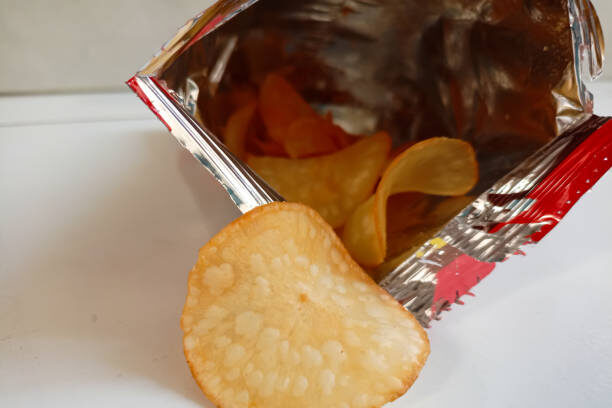
Sometimes products shrink internally while maintaining the same bulk packaging. For instance, a bag of chips may weigh less even though the bag is still the same size, leaving more empty space or “air” inside. Noticing the difference between the apparent volume of the package and the actual weight can help you detect shrinkflation. Many shoppers are surprised to realize they’ve been paying the same price for less product simply because packaging stayed familiar.
Consumer reports frequently highlight that “air in packaging” is a common shrinkflation tactic. One analysis noted, “Manufacturers rely on the illusion of unchanged packaging to hide slight reductions in weight.” By comparing the net weight to previous purchases, you can spot these reductions before they affect your budget. Developing this habit helps you make smarter choices, avoid overpaying, and stay aware of the value of what you buy. Understanding that packaging can be misleading is one of the most effective ways to beat shrinkflation early.
13. Check for Subtle Label Changes
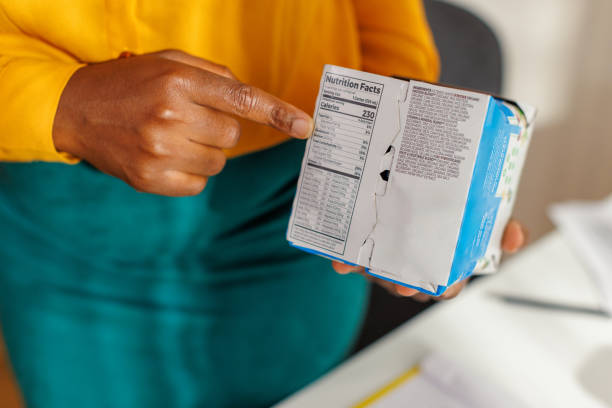
Shrinkflation can hide behind tiny label adjustments that most shoppers miss. The wording on packaging might change slightly, like switching from “500g” to “Net 475g,” or adding a “per serving” note to make smaller amounts less obvious. Colors, fonts, and logos may also shift to make the package look familiar while the actual contents shrink. By carefully comparing labels over time, you can detect these subtle cues before you pay more for less.
Experts say label scrutiny is one of the simplest ways to spot shrinkflation. One consumer guide pointed out, “Shoppers often overlook small print changes that reveal reduced quantities. Paying attention to net weight and serving size keeps you ahead of hidden price increases.” Developing a habit of reading labels even when you think you already know the product, can prevent unnoticed losses. Over time, label awareness becomes second nature and ensures you’re truly getting what you’re paying for.
14. Track Brand Promotions and Packs

Shrinkflation often coincides with sales and promotions. A “family pack” might shrink slightly while the price stays the same, or a promotional bundle could offer fewer items than it used to. Brands sometimes use this approach to disguise reductions, knowing shoppers are drawn to deals without noticing the change in quantity. Paying attention to promotions, and comparing them to past experiences, helps you spot these subtle reductions before they silently affect your budget.
Marketing experts emphasize that promotions can mask shrinkflation. One study explained, “Shoppers equate discounts or bulk packaging with value, which can hide reductions in quantity or quality.” By comparing promotional items with your usual purchases, you gain insight into whether you’re actually getting a better deal. Over time, this habit makes you more aware of product changes, allowing you to make smarter choices, avoid overpaying, and recognize when deals are truly worth it.
15. Use Digital Tools for Comparison

Technology can be a helpful ally against shrinkflation. Apps and websites allow you to track prices, weights, and product details over time, making it easier to spot reductions before they become noticeable in your shopping cart. Some apps even let you scan barcodes to compare historical prices and quantities, helping you see subtle changes at a glance. Using these tools gives you a clearer picture of how much value you’re really getting.
Consumer advice columns increasingly recommend digital tools as a first line of defense against shrinkflation. One article explained, “Technology helps consumers identify gradual reductions that are nearly impossible to notice otherwise.” By relying on apps, online databases, or even simple spreadsheets, you can monitor trends and stay informed. These tools save time, prevent overpaying, and allow you to maintain control over your purchases without needing to inspect every item manually.
16. Trust Your Experience

Finally, one of the most reliable ways to spot shrinkflation is simply trusting your own experience. You notice when your favorite products feel lighter, taste different, or don’t last as long. Even small, repeated observations can reveal changes that aren’t obvious on packaging or price tags. Paying attention to how products perform in daily life, rather than relying solely on visual or numerical cues, is a surprisingly effective way to catch shrinkflation before it impacts your budget.
Consumer experts agree that intuition matters. One report stated, “Regular buyers often sense shrinkflation through experience before labels or prices give it away.” Over time, you develop a natural awareness of when products no longer meet your expectations. Combined with label checks, unit pricing, and price tracking, trusting your experience completes a toolkit for smart shopping. By paying attention to the products you use every day, you can protect your wallet, avoid unnoticed reductions, and make more informed choices. Shrinkflation might be subtle, but with awareness and observation, you can stay ahead of it and shop confidently