

1. Make a Weekly Meal Plan
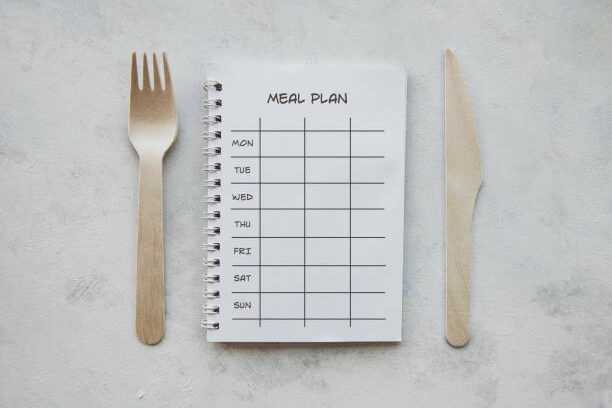
The first and perhaps most powerful strategy is to plan meals for the week. Writing down breakfast, lunch, and dinner options helps you buy only what you need, reducing impulse purchases. It’s also easier to check what ingredients are already in the pantry or fridge, so you avoid buying duplicates. Meal planning doesn’t need to be complicated, simple lists of favorite family meals or rotating weekly menus can save hours in decision-making.
Nutritionists and budget experts agree that meal planning is one of the best ways families can manage grocery costs. A report from the USDA noted, “Families who plan meals in advance reduce food waste and save money by purchasing only necessary ingredients.” Over time, meal planning not only helps control spending but also encourages healthier eating habits. When everyone knows what’s for dinner, shopping becomes faster, smarter, and less stressful, which is especially important for busy households juggling work, school, and activities.
2. Make a Detailed Shopping List

Once your meals are planned, creating a detailed shopping list is the next step. Include everything you need for each recipe, plus any staples you’re running low on, like milk, bread, or eggs. Organizing the list by sections of the store, produce, dairy, pantry makes shopping faster and reduces the chance of wandering into aisles and grabbing items you don’t need. This method helps stick to a budget and ensures the cart is filled with necessities, not distractions.
Consumer behavior studies show that shoppers with lists spend significantly less than those without. One study noted, “Writing a shopping list and sticking to it can cut impulse purchases by 20–30%.” For families, a clear list is even more valuable because children’s requests or last-minute cravings can be managed more easily. With a list in hand, shopping becomes intentional, time-efficient, and less chaotic, which makes the weekly grocery run feel like a smooth, organized task rather than a stressful chore.
3. Shop with an Eye on Sales and Discounts

Being aware of store promotions and discounts is another strategy that can save families a lot of money. Many stores offer weekly deals on fresh produce, pantry staples, or bulk items. Signing up for loyalty programs or using store apps can alert you to these offers before you even leave the house. This way, you can plan meals around items that are on sale, stretching your budget further without sacrificing quality. Financial advisors often highlight the importance of watching for sales when shopping for families.
One consumer report explained, “Families that take advantage of discounts, coupons, and loyalty programs consistently save hundreds per year.” It’s not just about buying cheap products; it’s about aligning purchases with both need and value. Shopping strategically for deals allows families to stock up wisely, reduce overall spending, and still enjoy a variety of meals that everyone likes. Over time, keeping an eye on promotions becomes a natural habit, quietly maximizing value for your grocery trips.
4. Stick to the Perimeter of the Store

The layout of grocery stores is no accident. Most of the fresh, less-processed foods, produce, dairy, meat, and bread are along the perimeter, while snack foods, sweets, and convenience items occupy the inner aisles. Families who focus on the perimeter usually end up with healthier choices and avoid the temptation of processed foods. Sticking to the edges can also help with budgeting because these sections often contain more versatile ingredients that can be used across multiple meals.
Dietitians recommend prioritizing perimeter shopping because it encourages fresh, whole-food purchases. A nutrition article once noted, “Shoppers who focus on fresh foods from the store perimeter tend to spend less on packaged items while buying ingredients that support balanced meals.” For families, this approach not only improves nutrition but also reduces unnecessary spending on less essential products. Over time, it encourages more mindful shopping and helps children learn about healthy choices, all while keeping the weekly grocery trip efficient and cost-conscious.
5. Set a Realistic Grocery Budget

One of the most important strategies for families is setting a grocery budget that reflects both household needs and financial realities. A realistic budget prevents overspending, encourages smarter choices, and helps track where your money is going. Start by looking at past receipts to determine your average monthly grocery spend, then adjust for upcoming meals, special occasions, or seasonal changes. Once the budget is clear, it becomes easier to prioritize essentials over impulse buys.
Financial experts emphasize that a well-planned budget can drastically reduce stress during shopping trips. According to a recent consumer report, “Households that establish a clear grocery budget tend to spend 15–25% less than those without one.” For families, budgeting is not just about saving money, it’s about teaching children the value of money and careful planning. With a budget in place, shopping becomes more intentional. You begin to notice trends, like which items consistently cost more than expected, and can adjust purchases without feeling guilty or anxious. Over time, sticking to a budget makes grocery trips smoother and less stressful for everyone involved.
6. Embrace Bulk Buying for Staples
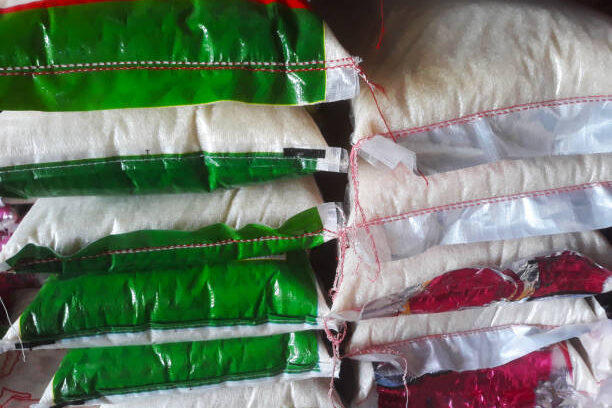
Buying staple items in bulk like rice, pasta, canned goods, or cleaning supplies is a smart strategy for families. Bulk purchases often reduce the cost per unit and ensure you have a stock of essentials for several weeks. Items like flour, sugar, or frozen vegetables are perfect for this, especially when sales or coupons make them cheaper than usual. The key is to focus on non-perishable or freezable items that won’t go bad before use.
Experts recommend using bulk buying strategically rather than impulsively. One consumer guide noted, “Buying in bulk saves money when done thoughtfully; it’s important to avoid overbuying perishable items that may spoil.” For families, bulk shopping reduces frequent trips to the store and minimizes the risk of last-minute takeout because you always have ingredients on hand. Over time, purchasing staples in bulk becomes a habit that balances convenience with savings, giving families both time and financial breathing room.
7. Organize a Pantry Before You Shop

Before stepping into a store, it’s worth checking and organizing your pantry. Knowing what you already have prevents duplicate purchases, reduces food waste, and makes shopping more efficient. Take a few minutes to inventory staples like cereals, pasta, and canned goods. Write down what’s low, and plan your shopping list around these needs. An organized pantry also makes it easier to rotate items, use older products first, and avoid spoilage.
Nutritionists and budget-conscious experts often highlight pantry organization as a foundational shopping strategy. One article stated, “A well-organized pantry allows families to shop with confidence, avoid unnecessary purchases, and reduce food waste.” For families, this practice not only saves money but also keeps the kitchen functional and less chaotic. Over time, you develop a sense of what’s needed for weekly meals, making grocery trips faster, smoother, and more productive. It’s a small habit that has a big impact on both the wallet and household efficiency.
8. Shop With a Full Stomach

It may sound simple, but shopping while hungry is one of the most common ways families overspend. When you’re hungry, everything looks tempting, from snacks to ready-to-eat meals, leading to unplanned purchases that blow your budget. Eating before heading to the store reduces impulse buying and helps focus on the essentials. This strategy works for busy families where kids might add to the temptation, if everyone eats beforehand, they’re less likely to request treats at checkout.
Behavioral economists consistently point out the connection between hunger and spending. One study explained, “Shoppers who enter a grocery store hungry tend to buy 20–30% more items than those who are full, often skewing toward processed and higher-cost foods.” For families, this simple strategy reduces stress at the store and keeps weekly spending predictable. Over time, consistently shopping after meals encourages mindfulness, curbs unnecessary indulgences, and makes grocery shopping a more purposeful, budget-friendly activity.
9. Take Advantage of Loyalty Programs

Many grocery stores offer loyalty programs that provide discounts, digital coupons, or points for future purchases. Families can save significantly by enrolling and checking weekly offers before shopping. Digital loyalty apps also allow you to compare deals between stores and plan meals around discounted items. Even small savings on regularly purchased products can add up over a month or year. Experts note that loyalty programs are particularly effective for families who shop regularly. According to a consumer report, “Households that use store loyalty programs consistently can save hundreds annually through targeted offers and personalized discounts.”
For families, signing up requires minimal effort but can make a noticeable difference in the budget. By checking app notifications or weekly flyers, parents can plan shopping trips efficiently, stock up on essentials, and avoid paying full price for common household items. Over time, loyalty programs become a natural part of the grocery routine, quietly boosting savings.
10. Prioritize Fresh Foods

Fresh produce, dairy, and meat are not just healthier, they often last longer and can be used in multiple meals, reducing waste and overall spending. Shopping the produce section first ensures that fruits and vegetables don’t get overlooked in favor of pre-packaged or processed foods. Families can save money by buying in-season produce, which is typically cheaper and more flavorful. Freezing extras for later use also extends the value of fresh items.
Nutritionists emphasize that prioritizing fresh foods supports both health and household efficiency. One article explained, “Buying fresh, versatile ingredients allows families to create multiple meals without relying on processed convenience foods.” For busy families, focusing on fresh foods encourages meal creativity and reduces reliance on takeout. Over time, planning meals around fresh ingredients not only improves nutrition but also helps control costs, turning the grocery trip into an investment in both family health and savings.
11. Limit Impulse Purchases

Impulse buying is one of the fastest ways grocery bills spiral out of control. Families can limit this by sticking strictly to a shopping list and avoiding aisles that contain tempting snacks or novelty items. For children, a small rule like only allowing one non-essential treat per trip—can teach patience and budgeting. Parents who shop with intention are less likely to overspend and more likely to bring home ingredients that will actually be used in meals.
Behavioral studies show that visual merchandising and product placement are designed to encourage impulse purchases. One report noted, “Consumers are more likely to buy items that are placed at eye level or near checkout lines, even if they don’t need them.” By sticking to a plan and focusing on necessities, families can avoid unnecessary purchases. Over time, this habit helps maintain a consistent budget, reduces food waste, and fosters smarter shopping decisions for everyone in the household.
12. Use a Price Comparison Strategy

Checking prices across brands or stores before buying can save families significant money. Even small differences in unit price like per ounce or per liter can add up over multiple trips. Families can compare the cost of generic versus branded products, or decide whether bulk or smaller packages offer better value. Taking a few extra minutes to scan labels and prices can turn into meaningful savings over time.
Consumer finance experts recommend comparing unit prices to get the best value. One guide explained, “Even familiar items can have drastically different per-unit costs depending on brand, packaging, and store.” For families, developing this habit helps stretch the grocery budget further and ensures that every dollar spent delivers maximum value. Over time, consistent price comparisons become second nature, making grocery shopping a more deliberate, cost-effective process that balances quality and affordability.
13. Shop with Reusable Bags

Bringing your own reusable bags isn’t just good for the environment, it can help families be more mindful of what they buy. When you carry a limited number of sturdy bags, it encourages thoughtful packing and may reduce overbuying. It also saves money at stores that charge for disposable bags, and it makes carrying groceries easier, especially when you have children along.
Environmental and consumer experts often highlight reusable bags as a simple way to combine sustainability with practical benefits. One report stated, “Shoppers using reusable bags are more likely to plan purchases carefully, which can lead to more efficient grocery trips.” For families, it’s a small habit with multiple advantages: fewer bags to manage, less waste, and more intentional shopping. Over time, using reusable bags encourages awareness of both purchases and storage needs, keeping the weekly grocery routine organized and environmentally friendly.
14. Keep a Running Inventory

Maintaining a running inventory of pantry and fridge staples helps families avoid unnecessary purchases. Simple methods like a whiteboard, spreadsheet, or even a notes app can track what’s on hand, what’s running low, and what needs to be replenished. This prevents duplicate purchases, reduces food waste, and ensures that ingredients are used before they spoil.
Consumer finance guides emphasize that inventory management saves both money and time. One article explained, “Tracking pantry and fridge contents allows families to plan meals efficiently and reduces the risk of buying items that aren’t needed.” For households with kids, this practice also encourages awareness of resources and responsibility for leftovers. Over time, a running inventory becomes part of the family routine, making shopping trips faster, smarter, and less stressful.
15. Buy Seasonal Produce

Seasonal fruits and vegetables are usually fresher, more flavorful, and less expensive than off-season alternatives. Families can save money by buying in-season produce and adjusting meal plans accordingly. Frozen fruits and vegetables are also a great option, as they’re often cheaper than fresh out-of-season items and last longer, reducing waste.
Nutritionists and consumer guides alike emphasize the benefits of buying seasonal produce. One source noted, “Purchasing fruits and vegetables when they are in season supports both taste and affordability.” For families, it also encourages meal creativity, as menus are naturally adjusted to the seasons. Over time, following seasonal trends not only improves nutrition but also keeps grocery spending consistent and predictable, while teaching children to appreciate different foods throughout the year.
16. Involve the Whole Family

Making grocery shopping a family activity can help everyone understand budgeting, nutrition, and decision-making. Assigning simple tasks like checking off items on the list, choosing produce, or comparing prices turns a routine chore into an educational experience. Children learn the value of money, healthy choices, and planning, while parents benefit from extra hands to manage the cart and stay on track.
Family engagement in grocery shopping is widely recommended by child development experts. One article explained, “When children participate in meal planning and shopping, they are more likely to understand budgeting and develop healthy eating habits.” For families, it also reduces stress, makes the trip more enjoyable, and encourages communication about food choices. Over time, involving the whole family transforms grocery shopping from a routine task into a collaborative, educational, and budget-conscious experience.
17. Plan for Leftovers

Leftovers are a powerful tool for families looking to save time and money. By intentionally cooking extra portions for dinner, you can repurpose them for lunch the next day or freeze for another meal. This reduces the need for takeout, ensures nothing goes to waste, and stretches the grocery budget further. Families can also get creative, turning roasted chicken into tacos, soups, or salads—which adds variety without extra expense.
Experts note that planned leftovers are both economical and sustainable. One consumer report explained, “Households that incorporate leftovers into their weekly meal plans save hundreds annually while reducing food waste.” For families, it’s not just about money, it’s about efficiency and convenience. Kids often enjoy seeing favorite meals re-imagined in new ways, and parents save valuable time on busy weekdays. Over time, planning for leftovers becomes second nature, turning a simple strategy into a consistent way to maximize both flavor and value from every grocery trip.
18. Review and Adjust Your Strategy Regularly

Finally, the best grocery shopping strategy for families is to review and adjust regularly. Prices fluctuate, family needs change, and new products or deals appear. Taking a few minutes each week to assess what worked, what didn’t, and which habits saved the most money ensures that your strategy stays effective. For example, if you notice that certain bulk purchases went unused or meals weren’t prepared as planned, you can adapt accordingly. Regular evaluation keeps the system dynamic and responsive rather than rigid.
Financial experts emphasize that adaptive shopping habits outperform static routines. One guide explained, “Regularly reviewing spending patterns and adjusting strategies allows families to respond to changes in prices, household size, and dietary needs.” For families, this approach not only improves budgeting but also encourages smarter, more intentional shopping. Over time, consistent review builds confidence, reduces stress, and ensures that every grocery trip contributes to savings, healthy meals, and smoother weekly routines. By making this the final step in your strategy, you create a self-sustaining system that balances efficiency, nutrition, and budget without sacrificing convenience or quality.