

1. Pantry Staples
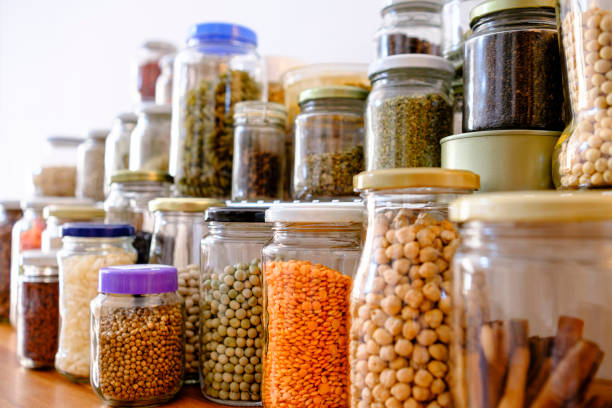
You don’t always notice it at first, but there’s something almost comforting about reaching for a generic pantry item and realizing it does exactly what you need without any fuss. Take something like salt, flour, or sugar. These are basics, things you’ve probably used so often you don’t even think twice about them. And that’s the point. They’re not meant to stand out, they’re meant to blend in and support everything else you’re cooking. Many food experts have pointed this out over time, noting that “for staple ingredients, brand differences are often negligible because the product is chemically identical.” When you hear that, it shifts your perspective a bit. You start to realize that what you’re paying for with name brands isn’t always quality, sometimes it’s just familiarity.
And when you switch to generic, something interesting happens. You begin to pay more attention to the food itself rather than the label attached to it. Your baking still comes out soft, your meals still taste the way you expect, and nothing feels like it’s missing. In fact, there’s a quiet satisfaction in knowing you didn’t overspend on something that performs the exact same way. Over time, it becomes less about cutting costs and more about trusting your own experience. You stop assuming that higher price means better taste, and you start recognizing that some foods were never meant to be complicated in the first place.
2. Breakfast Cereals

There’s something nostalgic about pouring a bowl of cereal in the morning, especially when it’s one you grew up with. But lately, more people are noticing that generic cereals often deliver that same experience without the extra cost attached. You might pick up a store-brand version out of curiosity, expecting a slight difference, and then realize halfway through your bowl that it tastes… almost identical. In some cases, even better. Food reviewers have casually observed that “many store-brand cereals are produced by the same manufacturers as name brands, just packaged differently.” And once you know that, it’s hard not to see things a little differently.
What stands out most isn’t just the taste, it’s the simplicity. Generic cereals often skip the overly sweet coating or excessive additives, which can actually make them easier to enjoy day after day. They feel a bit more balanced, less overwhelming, and sometimes closer to what cereal used to taste like before everything became extra bold and sugary. You still get the crunch, the familiar shapes, and that easy breakfast routine, just without the sense that you’re paying for branding more than flavor. It’s one of those small switches that quietly proves a point: sometimes the experience you’re looking for doesn’t need a big name to deliver it.
3. Pasta

Pasta is one of those foods that feels almost universal. It’s simple, reliable, and shows up in so many different forms that you rarely question it. But when it comes down to it, most dried pasta is made from the same core ingredients: wheat and water. That’s why many cooks will tell you, quite plainly, that “for everyday pasta dishes, the sauce and preparation matter far more than the brand of pasta used.” And once you’ve cooked a few meals side by side, it becomes clear just how true that is.
Generic pasta often surprises people because it holds up just as well in cooking. It softens at the right pace, carries sauce properly, and delivers that familiar bite you expect. In fact, because it’s usually less processed or marketed with extras, it can feel more straightforward, more honest in a way. When you’re eating a good pasta dish, you’re not thinking about the label on the box, you’re noticing the flavors, the seasoning, and how everything comes together. And that’s where generic pasta shines. It steps back and lets the rest of the meal take center stage.
4. Canned Vegetables

Canned vegetables don’t usually get much attention, but they’re one of those quiet staples that show up when you need them most. Whether it’s a quick side dish or something to bulk up a meal, they do their job without asking for much. And interestingly, when it comes to canned goods, the differences between generic and branded options are often minimal. Food industry insights have noted that “canned vegetables are typically processed and sourced in similar facilities, regardless of branding.” So what you’re getting is often more alike than you’d expect.
What makes generic versions stand out is how straightforward they feel. There’s no extra branding trying to convince you of something special, just vegetables preserved the way they’ve always been. When you heat them up or mix them into a dish, they taste familiar, reliable, and exactly how you expect. Sometimes, that simplicity even works in their favor. Without unnecessary additives or overly processed textures, they can feel a bit more natural. It’s not about them being better in a dramatic way, it’s about them quietly meeting expectations without complication.
5. Store Bread

There’s something about bread that feels personal. Maybe it’s because it shows up in so many quiet moments, breakfast toast, quick sandwiches, or something you reach for when you don’t feel like cooking much. And over time, you start to notice that generic bread often delivers that same comfort without trying too hard. In fact, many shoppers have pointed out that “store-brand bread is frequently made by the same commercial bakeries that produce name brands.” Once you hear that, it shifts things a little. It stops being about labels and starts being about what actually lands on your plate.
What makes generic bread stand out isn’t that it’s dramatically better, it’s that it feels consistent. The texture is familiar, the taste is neutral enough to work with anything, and it doesn’t overpower whatever you pair it with. Sometimes, branded versions lean too sweet or overly processed, while generic options stay right in that middle ground that just works. You toast it, spread something on it, and it does exactly what you need without drawing attention to itself. And honestly, that’s what good bread should do.
6. Frozen Veggies

Frozen vegetables are one of those things you rely on more than you realize. They’re always there when fresh options run out, and they save you on days when you just need something quick. What surprises a lot of people is how little difference there is between generic and branded versions. As food experts often say, “frozen vegetables are typically processed at peak freshness, regardless of the label.” That means what you’re getting is already preserved at a high quality from the start.
When you cook them, that truth becomes even clearer. Generic frozen veggies hold their color, texture, and taste just as well, sometimes even better because they’re not overhandled or over-marketed. They feel straightforward, like they’ve been left alone to be what they are. Whether you’re tossing them into rice, stir-frying, or just steaming them as a side, they show up the same way every time. And there’s something reassuring about that. It takes away the pressure of choosing “the best” and replaces it with something simpler: choosing what works.
7. Plain Yogurt

Yogurt can be tricky because there are so many options, flavors, textures, brands, all trying to stand out in some way. But when you strip it back to plain yogurt, something interesting happens. The differences between generic and branded versions become much less noticeable. In fact, nutrition-focused discussions often point out that “plain yogurt quality depends more on fermentation and storage than branding.” That means the basics matter more than the label.
Generic plain yogurt often feels less complicated. It doesn’t try to impress you with extras, it just delivers that familiar tang and creamy texture you expect. And because it’s not overloaded with flavoring or marketing, it can actually feel more versatile. You can sweeten it, mix it, cook with it, or eat it as is. It adapts to what you need rather than telling you what it should be. That flexibility is where it quietly wins.
8. Snack Crackers

There’s something oddly satisfying about crackers. They’re simple, light, and always seem to fit into any moment, whether you’re snacking absentmindedly or putting something quick together. And when it comes to generic crackers, many people are surprised by how close they come to the originals. Some reviews even mention that “store-brand crackers often replicate the same recipe structure as leading brands.” So what you’re tasting isn’t all that different.
What makes generic crackers stand out is how balanced they feel. They’re not overly salty, not too dry, just somewhere in that middle space that works with everything. You pair them with cheese, spreads, or even eat them on their own, and they hold up just fine. Sometimes, branded versions try too hard to stand out, while generic ones stay grounded in what crackers are supposed to be. And in doing that, they end up feeling just right.
9. Bottled Water

It might sound simple, but bottled water is one of the clearest examples of how branding can shape perception. At the end of the day, water is water, and while sources can vary slightly, the differences are often subtle. Many consumer reports have noted that “most bottled water meets the same safety and quality standards regardless of brand.” So what you’re really choosing between is often packaging and perception.
Generic bottled water tends to strip all of that away. It feels straightforward, no story, no branding narrative, just hydration. And when you drink it, you realize it does exactly what you expect. There’s no noticeable difference, just the same refreshing experience. Over time, that simplicity becomes more appealing. It reminds you that not everything needs to be elevated or branded to feel good.
10. Peanut Butter

Peanut butter is one of those foods people tend to be loyal to. Maybe it’s the brand you grew up with or the one that always tasted “just right.” But once you try a generic version with an open mind, you start to notice something interesting. The difference isn’t as wide as you expected. In fact, many food comparisons have pointed out that “the core ingredients in peanut butter are often the same across brands, with slight variations in sugar or oil content.” That means what you’re tasting is already pretty close before branding even comes into play.
Generic peanut butter often leans into that simplicity. It feels less overworked, sometimes less sweet, and closer to the actual taste of peanuts. That alone can make it feel more natural, especially if you’re using it in different ways like spreading, cooking, or blending into smoothies. It doesn’t try to stand out too much, it just settles into the role it’s meant to play. And in doing that, it becomes easier to enjoy without overthinking it.
11. Dry Beans

There’s something steady about cooking with dry beans. It takes a bit more time, but it also feels more intentional, like you’re building a meal from the ground up. And when it comes to generic dry beans, the difference between them and branded ones is almost nonexistent. Food sources often explain that “dry beans are largely unbranded agricultural products, meaning quality depends more on storage than labeling.” So what you’re getting is shaped less by the name and more by how fresh and well-kept they are.
Once they’re cooked, seasoned, and folded into a meal, it becomes even clearer. The texture, the taste, the way they absorb flavor, it all depends on how you prepare them. Generic beans don’t hold back in that process. They soften just the same, carry seasoning just as well, and become whatever the dish needs them to be. There’s a quiet satisfaction in that, knowing you didn’t need to spend extra for the same result.
12. Rice Grains

Rice is one of those everyday foods that quietly carries entire meals. It’s dependable, filling, and shows up in so many forms that it almost blends into the background. And that’s exactly why generic rice works so well. Many culinary insights highlight that “rice quality is determined more by grain type and origin than branding.” So whether it’s long grain, jasmine, or basmati, the real difference lies in the variety itself, not the label attached to it.
When you cook generic rice, you begin to notice how little separates it from the branded versions. It fluffs up the same way, absorbs flavors just as well, and settles comfortably into whatever dish you’re making. There’s no need for it to be anything more than what it is. And sometimes, that’s exactly what you want, something reliable that doesn’t try to take over the plate.
13. Baking Mixes

Baking mixes are meant to make things easier, that’s the whole point. You reach for them when you want something quick but still satisfying, something that comes together without too much effort. And when it comes to generic versions, they often deliver that same convenience without missing a step. Food discussions frequently mention that “baking mixes rely on standard ratios of flour, leavening, and sugar, making them easy to replicate across brands.” So the foundation is already shared.
When you actually use them, the results speak for themselves. Pancakes come out fluffy, cakes rise the way they should, and everything feels familiar. Sometimes, generic mixes even feel less artificial, a bit more straightforward in taste. They don’t try too hard, they just work. And in a space where simplicity matters, that can be more than enough.
14. Cheese Slices
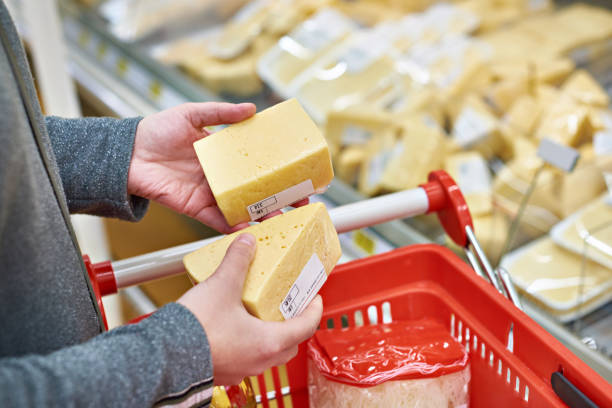
Cheese slices are one of those foods you don’t overthink. They’re there for convenience, for quick meals, for those moments when you just need something easy. And surprisingly, generic versions often hold their own quite well. Industry insights have noted that “processed cheese products are standardized in production, leading to minimal variation between brands.” So what you’re getting is already designed to be consistent.
When you use them, whether in sandwiches or melted over something warm, they behave exactly how you expect. They melt smoothly, taste familiar, and do their job without standing out too much. Sometimes, that’s all you really need. Generic cheese slices don’t try to reinvent anything, they just deliver on the basics. And in doing that, they often feel just as satisfying as the more expensive options.
15. Ice Cream

Ice cream feels like one of those things you’d assume has to be branded to be good. It’s indulgent, a little special, something you don’t want to get wrong. But once you start trying generic versions, you realize the gap isn’t always as wide as you imagined. Many food reviewers casually note that “store-brand ice cream often matches national brands in taste tests, especially for classic flavors.” And that’s where things get interesting.
Generic ice cream tends to focus on the basics, vanilla, chocolate, simple blends, and it does them well. The texture is creamy, the flavor is familiar, and nothing feels missing. In some cases, it even feels less overly sweet or artificial. It reminds you that good ice cream doesn’t need to be complicated to be enjoyable.
16. Pasta Sauce

Pasta sauce is one of those things that can vary widely, but once you look closely, many versions start to feel similar. Tomatoes, herbs, seasoning, the base doesn’t change much. Food experts often say that “jarred pasta sauces share similar ingredient profiles across brands, with minor differences in seasoning.” That means the core experience is already there.
Generic pasta sauces often lean into that familiarity. They’re balanced, not too heavy, not too sharp, and they blend easily into whatever dish you’re making. Once they’re heated and mixed with pasta, the difference becomes even harder to spot. It becomes less about the brand and more about how everything comes together.
17. Spices

Spices are one of those things you reach for almost without thinking. A pinch here, a dash there, and suddenly a simple meal starts to come alive. But when it comes to choosing between branded and generic spices, the difference is often smaller than most people expect. In fact, many culinary sources point out that “spices are graded more by freshness and storage than by brand name.” That means what really matters is how recently they were processed and how well they’ve been kept, not necessarily the label on the bottle.
Generic spices often surprise people because they deliver the same aroma and flavor without the added cost. Once they hit the heat of a pan or blend into a dish, they behave just like any other. The real magic happens in how you use them, not where they came from. And sometimes, because generic options are more affordable, you feel more comfortable using them generously, which actually improves your cooking overall.
18. Milk

Milk is one of those everyday essentials that feels too important to get wrong. It’s in your tea, your cereal, your cooking, and it’s something you use so often that consistency matters. But interestingly, when it comes to milk, branding plays a much smaller role than most people assume. Dairy experts often explain that “milk is heavily regulated, meaning quality and safety standards are consistent across producers.” So whether it’s generic or branded, the baseline is already set.
When you pour a glass or add it into your routine, it tastes the way you expect. Fresh, clean, and familiar. Generic milk doesn’t try to be anything more than that, and it doesn’t need to. Over time, you realize that what you’re really paying for with premium brands is packaging or perception, not necessarily a noticeable difference in taste. And once that clicks, it becomes easier to choose what simply works.
19. Salad Dressings

Salad dressing is one of those things that feels small but somehow makes a big difference. It’s the final touch, the thing that brings everything together, so it’s easy to assume the branded version must be better. But once you start paying attention, that idea begins to soften. Many food comparisons have pointed out that “most bottled salad dressings follow similar base formulas of oil, acid, and seasoning.” When you think about it that way, it becomes clear that the foundation isn’t all that different from one bottle to the next.
Generic salad dressings often lean into that simplicity in a way that feels more balanced. They’re not trying too hard to stand out, which sometimes works in their favor. The flavors come through clearly, without being overly sweet or overly sharp. When you drizzle it over a salad or use it as a quick marinade, it does exactly what you expect. And that’s really all you need. It’s not about it being better in a dramatic sense, it’s about it quietly delivering the same experience without the extra cost or expectation attached to a big name.
20. Simple Snacks
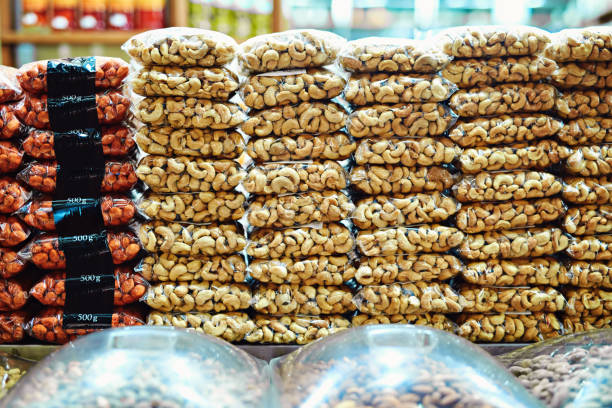
By the time you get to snacks, something has already shifted in how you look at things. You start to notice that many of the foods you reach for without thinking, chips, pretzels, popcorn, follow the same pattern you’ve seen all along. The ingredients are simple, the preparation is straightforward, and the differences between brands aren’t always as big as they seem. Consumer observations often say that “for basic snack foods, taste differences are subtle and often influenced by expectation rather than formulation.” And once you’ve tried a few generic options, that idea starts to feel very real.
Generic snacks tend to bring things back to basics. They’re crunchy, lightly seasoned, and easy to enjoy without feeling overdone. There’s no extra push to make them seem special, they just are what they are. And in a quiet way, that’s where everything comes together. After moving through all these everyday foods, you realize the pattern has been consistent from the start. Good food doesn’t always need a label to prove itself. Sometimes it just needs a chance.