

1. Make a Master List Before You Go

Before stepping into the grocery store, take a few minutes to jot down what you really need. Planning ahead helps prevent impulse buys, and seeing everything in front of you can spark creative ways to combine ingredients. Experts say, “Meal planning reduces food waste and allows for smarter budgeting,” which is exactly what building a cheaper weekly plan requires. Creating a list also gives you a mental map of how your meals can fit together, reducing the stress of deciding on the spot and making the week feel more manageable.
Take it one step further by grouping your list by category: produce, proteins, pantry staples, and dairy. This not only saves time while shopping but also helps you notice patterns in what you already have or tend to buy too much of. You may find that you often overbuy snacks or certain vegetables and can adjust accordingly. By planning with a clear purpose, one grocery trip can efficiently cover breakfasts, lunches, dinners, and snacks for the week, all while keeping your budget in check and reducing waste.
2. Audit Your Fridge and Pantry
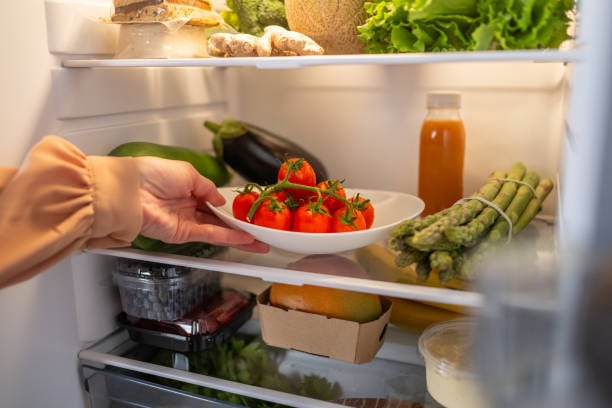
Take a careful look inside your fridge, freezer, and pantry before making your shopping list. You might be surprised by ingredients you forgot you had, like a half-used bag of frozen peas or leftover pasta. Leftover vegetables, grains, or even sauces can form the base of new meals. Culinary experts often note, “Using existing ingredients first is the most cost-effective strategy in home cooking.” Not only does auditing reduce waste, but it also sparks creativity: that small leftover chicken breast might inspire a hearty salad or stir-fry.
Make it a habit to rotate items when you restock. Place older ingredients in front so they get used first, and take note of items that often sit unused. This insight can guide your next shopping trip, ensuring you buy what you’ll actually use. Auditing helps prevent impulse purchases and gives you a clear sense of what meals are possible with what’s already at home. Over time, this strategy makes meal planning smoother, cheaper, and less stressful, turning one grocery trip into the foundation for multiple, balanced meals.
3. Embrace One-Pot Meals

One-pot meals are a lifesaver for budget-conscious cooking. Think hearty stews, curries, or pasta bakes that combine simple ingredients into filling meals without requiring a dozen extras. Nutritionists explain, “Cooking in one pot minimizes cleanup, saves time, and allows for efficient ingredient use.” One-pot dishes also encourage experimentation; you can toss in vegetables that need to be used, a protein from the freezer, or pantry staples like beans or grains.
Batch-cooking one-pot meals means you can enjoy a variety of flavors throughout the week without repeated trips to the store. A large pot of chili can be split for lunches, dinners, or frozen for later, while a simple vegetable soup can be adapted with different seasonings to avoid monotony. The efficiency of one-pot cooking reduces waste, cuts time, and ensures that every ingredient pulled from your grocery trip has purpose. It’s a simple habit that keeps meals fresh, budget-friendly, and stress-free.
4. Prioritize Protein That Lasts

Proteins make meals satisfying, but some options last longer than others. Canned beans, lentils, frozen chicken, and tofu are durable, versatile, and affordable. Food experts note, “Buying proteins that store well reduces waste and ensures balanced nutrition without constant shopping.” By focusing on long-lasting proteins, you can stretch your groceries further, using them in multiple recipes without worrying about spoilage.
Consider how proteins can be swapped across meals. Lentils can appear in soups, salads, or wraps, while frozen chicken works in stir-fries, pasta, or rice dishes. Even versatile tofu can be marinated or baked to fit different cuisines. Planning around these items means one shopping trip can provide ingredients for multiple meals, offering both convenience and nutritional variety. Prioritizing lasting proteins reduces stress, saves money, and allows flexibility in weekly meal planning.
5. Cook in Batches
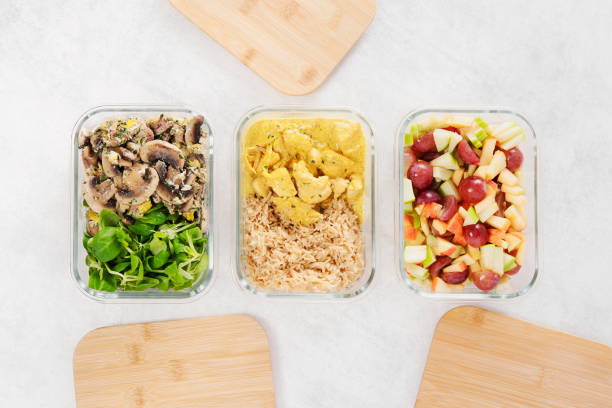
Batch cooking is a game-changer for anyone looking to save money and time. Preparing larger quantities of soups, grains, or roasted vegetables means you can portion meals for several days or freeze for later. Culinary studies highlight, “Batch cooking reduces food waste and encourages portion control, supporting budget-conscious habits.” Cooking in bulk also reduces the temptation to buy convenience meals, which often cost more.
Think creatively: roast a tray of vegetables, boil grains, or make a large pot of chili that can be transformed into different dishes throughout the week. Leftovers become ingredients for new meals, like turning roasted vegetables into a hearty sandwich or a grain salad. Batch cooking allows you to shop less frequently while ensuring fresh, balanced meals are always available. With one smart grocery trip, you can create multiple meals that save money, reduce waste, and simplify the week ahead.
6. Use Seasonal Produce
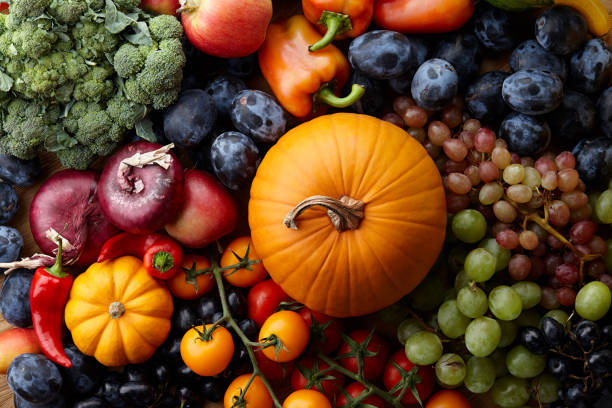
Seasonal fruits and vegetables aren’t just fresher, they’re usually cheaper, too. When planning your weekly meals, check what’s in season and build recipes around those items. Nutritionists often point out, “Eating seasonally supports local farmers, reduces cost, and boosts nutrient intake.” Seasonal produce can also inspire new meals you might not have considered, from a simple stir-fry to a roasted vegetable medley.
Shopping with the seasons in mind also makes it easier to take advantage of sales and local market deals. For example, buying tomatoes in peak summer can allow for sauces, salads, and pasta dishes all week without overspending. Seasonal planning gives you flexibility and encourages creativity, turning one grocery trip into a week full of varied, flavorful meals. Over time, this habit not only reduces costs but also increases the enjoyment of eating fresh, vibrant produce.
7. Repurpose Leftovers

Leftovers don’t have to be boring as they’re an opportunity to save both time and money. Instead of eating the same dish twice, think about how ingredients can transform into a new meal. Food experts advise, “Repurposing leftovers reduces food waste while expanding culinary possibilities.” For instance, yesterday’s roasted chicken can become today’s chicken salad, tacos, or fried rice, keeping meals interesting without extra spending.
Take a few minutes each day to plan how today’s meal can evolve into tomorrow’s. A batch of cooked grains can appear in stir-fries, grain bowls, or soups, while roasted vegetables can become pizza toppings or hearty sandwiches. By making leftovers work harder, one grocery trip stretches across multiple meals, maximizing the value of your ingredients. This habit not only keeps your budget in check but also nurtures creativity and makes cooking feel less repetitive.
8. Stock Pantry Staples

A well-stocked pantry is the secret weapon of budget-conscious meal planning. Staples like rice, pasta, canned beans, and oils provide a solid foundation for a variety of meals. Culinary guides suggest, “Keeping key pantry items on hand reduces last-minute shopping trips and keeps meals flexible.” When you know you have essential ingredients available, it’s easier to adapt recipes based on what’s fresh or on sale that week.
Pantry staples also encourage experimentation. A simple can of chickpeas can become hummus, a salad topping, or a curry base. Pasta can transform into a creamy dinner one night or a cold pasta salad the next. With a strong pantry, one grocery trip can supply the framework for multiple, diverse meals throughout the week. Over time, this habit reduces waste, limits impulse buys, and makes weeknight cooking much less stressful.
9. Stick to a Budget Per Meal

Assigning a budget to each meal helps you stay disciplined without sacrificing quality. Knowing how much you want to spend per breakfast, lunch, or dinner forces you to make intentional choices in the grocery store. Financial planners often note, “Budgeting at the meal level encourages smarter shopping and minimizes overspending.” When each meal has a clear cost target, you naturally gravitate toward ingredients that stretch farther and reduce unnecessary extras.
Combine budgeting with meal planning for maximum efficiency. For example, you might decide to spend less on breakfast by buying oats and seasonal fruit while allocating more for dinner proteins. With this framework, one grocery trip can cover the week while staying within limits. Meal-level budgeting turns shopping into a strategic, cost-conscious exercise, ensuring your weekly plan is cheaper, practical, and satisfying.
10. Choose Multipurpose Ingredients

Multipurpose ingredients are a lifesaver for a tighter grocery budget. Foods like eggs, chicken, beans, or root vegetables can appear in several recipes, reducing the need to buy new items for each meal. Nutritionists emphasize, “Choosing versatile ingredients ensures balanced nutrition and increases meal variety with fewer purchases.” By planning meals around these core ingredients, you maximize both convenience and savings.
Think creatively: eggs can be scrambled for breakfast, boiled for lunch salads, or baked into dinner casseroles. Root vegetables can be roasted, added to soups, or blended into sauces. Multipurpose ingredients allow a single grocery trip to supply everything for multiple meals, reducing trips to the store and ensuring you get the most value from every purchase. This habit simplifies cooking, saves money, and gives you flexibility to experiment with flavors and recipes.
11. Pantry Makeover: Rediscover Forgotten Ingredients
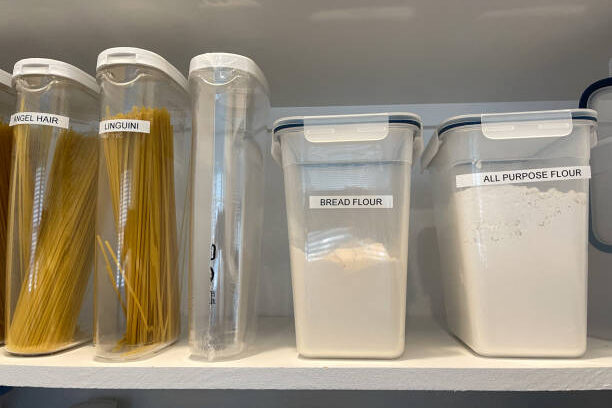
Sometimes the secret to saving money isn’t buying less but simply looking closer at what you already have. Take a few minutes each week to do a “pantry makeover”, check shelves, drawers, and your fridge for items you might have forgotten. You’d be surprised how many grains, canned beans, or spices are waiting to be used. By rethinking how you combine what’s already in your kitchen, you can build meals without spending an extra dime. Experts often say, “Inventorying your pantry not only prevents waste but also sparks creativity in meal planning.” It’s a simple habit that pays off in both cost and taste.
Once you’ve rediscovered these hidden gems, it becomes easier to plan your weekly meals around what’s available. For example, a can of chickpeas can become a hearty salad, roasted snack, or even a curry base. That forgotten bag of rice might pair with frozen vegetables for a filling stir-fry. By making this a regular habit, you turn overlooked ingredients into the stars of your meals. It’s a gentle reminder that a well-organized kitchen is one of the cheapest forms of meal planning and one of the most satisfying. One extra glance in your pantry can save both money and stress while keeping your meals fresh, varied, and surprisingly creative.
12. Buy in Bulk When It Makes Sense
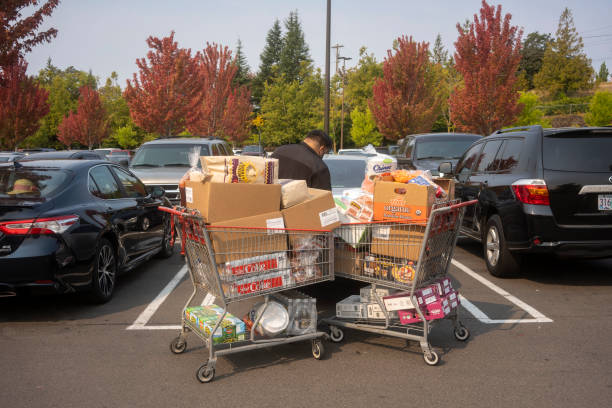
Buying staple items in bulk can drastically reduce weekly costs when done thoughtfully. Items like rice, beans, oats, or frozen vegetables often have lower per-unit prices when purchased in larger quantities. Experts suggest, “Bulk purchases save money in the long term and reduce the frequency of shopping trips.” However, the key is to balance storage space and consumption speed to avoid waste.
Bulk buying also encourages planning ahead. For example, purchasing a large bag of frozen vegetables allows you to create multiple meals without worrying about freshness. Large packs of meat or grains can be portioned for different recipes throughout the week. By integrating bulk items into your weekly meal plan, a single shopping trip can stretch further, providing both savings and convenience while reducing stress over daily meal prep.
13. Prioritize Affordable Proteins

Proteins are often the most expensive part of a grocery list, but prioritizing affordable options can make a huge difference. Foods like eggs, beans, lentils, and canned fish offer nutrition without high costs. Nutritionists note, “Affordable protein sources provide essential nutrients while helping households stay within budget.” By choosing these wisely, you maintain a balanced diet without breaking the bank.
Affordable proteins are also versatile and can be incorporated into multiple meals. Eggs work for breakfast scrambles, lunch salads, or dinner frittatas. Beans can appear in soups, stews, and tacos. A single grocery trip that includes cost-effective protein sources can supply nutritious meals all week long. Prioritizing proteins this way ensures that your meal plan is both healthy and wallet-friendly, making budgeting a natural part of cooking.
14. Keep a Running Inventory

Keeping track of what’s already in your kitchen saves money and prevents unnecessary shopping. Before every trip, check your pantry, fridge, and freezer to see what you already have. Grocery planners often emphasize, “Maintaining a running inventory reduces waste and prevents duplicate purchases.” This simple habit makes it easier to build meals from existing ingredients.
By knowing what’s on hand, you can plan meals that complement current stock rather than buying new items unnecessarily. For instance, a nearly full bag of rice can become fried rice or a rice bowl, while leftover vegetables can be roasted or added to soups. One grocery trip becomes much more efficient when you build your shopping list around what you already own, keeping costs down and meals diverse.
15. Embrace Frozen and Canned Items
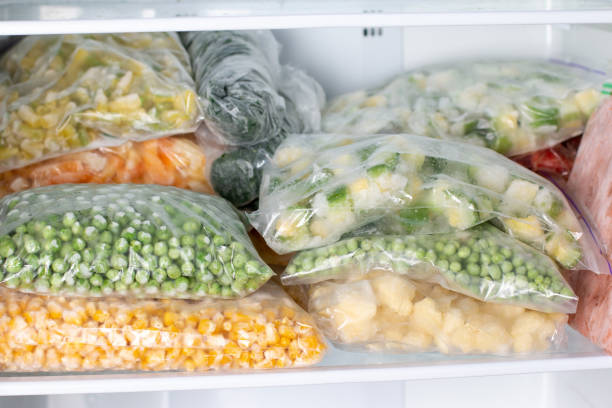
Frozen and canned foods are often overlooked but are invaluable for budget-conscious meal planning. They have longer shelf lives, reduce waste, and allow you to prepare a variety of meals without needing daily shopping trips. Experts say, “Frozen and canned produce retain nutrients while providing convenience and affordability.” Using these items strategically stretches a grocery budget and ensures meals remain varied.
These ingredients are versatile. Frozen vegetables can go into soups, casseroles, or stir-fries, while canned beans or tomatoes can form the base of curries, chilis, or pasta sauces. One grocery trip that includes frozen and canned staples can supply the week with reliable ingredients, reducing both cost and stress. Incorporating these items into your meal plan helps balance nutrition, convenience, and affordability seamlessly.
16. Build a Weekly Rotation

A weekly meal rotation helps reduce decision fatigue and keeps grocery trips focused. Planning a set of repeatable meals for each day ensures you buy only what’s needed, minimizing waste. Nutritionists recommend, “Rotating meals creates structure and helps families maintain healthy, affordable eating habits.” This method simplifies shopping lists while giving flexibility to tweak ingredients based on what’s available or on sale.
A rotation might include oatmeal breakfasts, grain bowls for lunch, and protein-rich dinners, all sourced from a single grocery trip. Over time, this approach allows you to anticipate portions, repurpose leftovers, and manage your budget effectively. By adopting a weekly rotation, grocery shopping becomes predictable, efficient, and cost-effective, making it easier to stick to your plan without feeling restricted or repetitive.