

1. Bottled Water: Paying for Convenience

It usually starts with something simple, grabbing a bottle of water on your way out or adding a pack to your cart because it feels practical. It’s clean, easy, and ready to go. But when you pause for a moment, you begin to realize how much you’re actually paying for something so basic. Industry reports often point out that “bottled water can cost hundreds of times more than tap water, largely due to packaging and distribution.”
What makes this markup easy to overlook is how normal it feels. Water is essential, so it doesn’t raise questions. But the convenience comes at a price; the bottle, the branding, the transport, all layered into something that, at its core, is simple. Over time, these small purchases add up quietly. It’s not about cutting it out completely, but understanding what you’re really paying for when you reach for it without thinking.
2. Pre-Cut Fruits and Vegetables: The Price of Time Saved
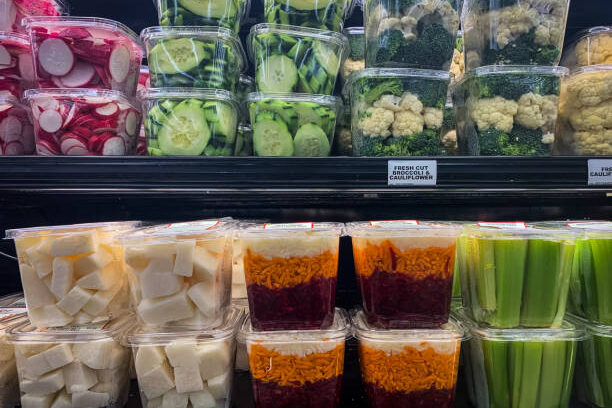
There’s something appealing about seeing fruits and vegetables already washed, sliced, and packaged. It feels like one less thing to worry about, especially on busy days. You pick up a container of chopped fruit or diced vegetables, thinking you’ve made things easier for yourself. And you have, but at a cost. Food industry insights often note that “pre-cut produce can cost significantly more than whole items due to added labor and packaging.”
The difference isn’t always obvious at first glance. The portions look neat, the packaging is convenient, and it feels like a smart choice in the moment. But when you compare it to buying whole produce, the price gap becomes clearer. You’re paying for time, for preparation, for the ease of skipping a step. And while that can be worth it sometimes, it’s one of those small habits that quietly increases how much you spend without you realizing it.
3. Breakfast Cereal: Packaging Over Substance
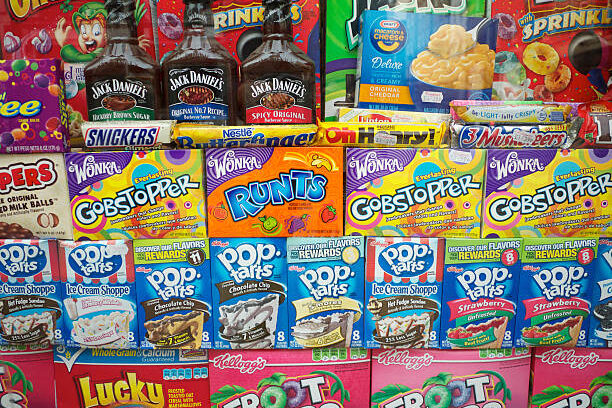
Walking down the cereal aisle can feel overwhelming, bright boxes, bold claims, and familiar brands calling your attention. It feels like a staple, something you’ve probably bought for years without much thought. But behind that familiarity, there’s often a higher markup than expected. As food analysts often point out, “the cost of cereal is heavily influenced by branding, marketing, and packaging rather than raw ingredients.”
What you’re really paying for isn’t just the cereal itself, it’s the box, the advertising, the shelf placement, and the brand recognition. And because it’s such a routine purchase, it rarely feels like something to question. But when you look closer, you start to see how much of the price goes beyond the actual food. It’s one of those everyday items that blends into your shopping list, quietly adding more to your total than you might expect.
4. Bagged Salad Mixes: Convenience with a Premium

At first glance, bagged salad mixes feel like a healthy and convenient choice. Everything is already washed, cut, and ready to eat. You don’t have to think about preparation, just open the bag and you’re good to go. But that simplicity comes with a noticeable markup. Retail observations often highlight that “bagged salads are priced higher due to processing, packaging, and shorter shelf life.”
What makes this one easy to justify is how effortless it feels. After a long day, skipping the washing and chopping can seem worth it. But when you compare it to buying whole lettuce or vegetables, the difference becomes clear. You’re paying for the convenience of time saved. And like many convenience-based purchases, it doesn’t feel expensive in the moment, it just becomes part of your routine, quietly increasing your grocery bill over time.
5. Single-Serve Yogurt Cups: Small Portions, Bigger Cost
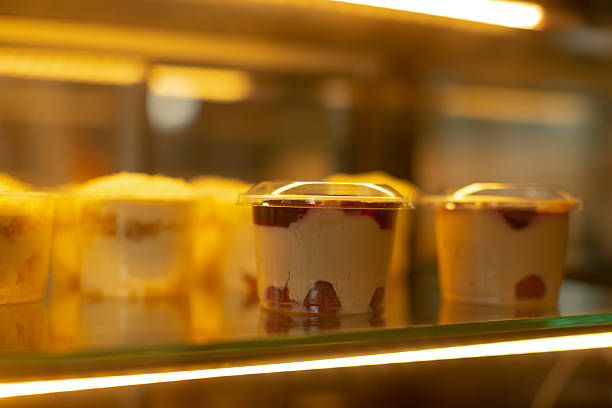
There’s something about single-serve yogurt cups that feels just right. They’re easy to grab, perfectly portioned, and convenient for mornings when you don’t want to think too much. You toss a few into your cart without hesitation because they seem practical. But when you take a closer look, the price tells a slightly different story. Food pricing insights often mention that “single-serve packaging significantly increases cost per unit compared to larger containers.”
What makes this markup easy to miss is how small each purchase feels. One cup doesn’t seem like much, and even a pack feels manageable. But when you compare it to buying a larger tub of yogurt, the difference becomes clear. You’re paying extra for the packaging, the convenience, and the ready-to-go format. Over time, those small additions build up quietly. It’s not about avoiding them entirely, but about recognizing when convenience is costing more than you realized.
6. Packaged Snack Packs: Paying for Portion Control
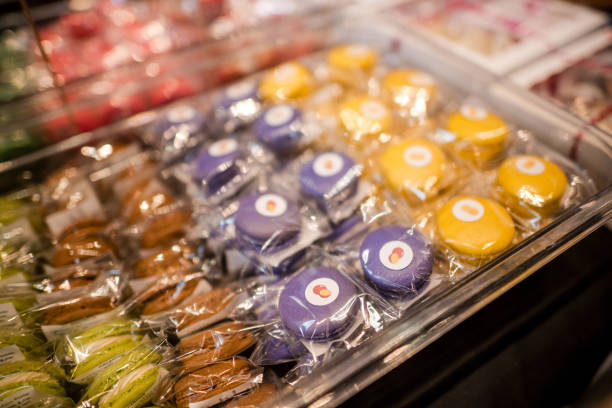
Snack packs have a way of making life feel organized. Everything is neatly divided, easy to carry, and simple to include in a lunch or quick break. Crackers, cheese, fruit slices, all pre-arranged and ready to go. It feels efficient, almost like you’re saving time and effort. But as consumer reports often note, “individually packaged snack portions can cost significantly more than buying the same items in bulk.”
The appeal comes from how effortless it feels. You don’t have to measure anything or think about portions, it’s already done for you. But that convenience comes at a price, one that isn’t always obvious unless you compare it closely. You’re not just paying for the food itself; you’re paying for the packaging and the preparation behind it. And while it fits easily into your routine, it’s one of those quiet markups that adds up without drawing much attention.
7. Frozen Smoothie Packs: Blended Convenience at a Cost
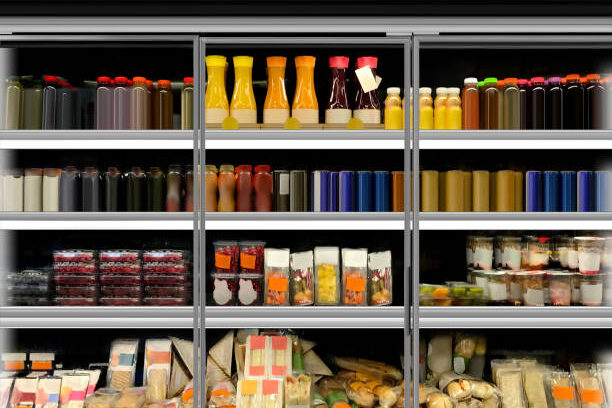
On busy mornings, frozen smoothie packs feel like a smart solution. Everything is pre-portioned, fruits, maybe greens, all you need to do is blend and go. It feels healthy, efficient, and worth the extra cost in the moment. But behind that simplicity, there’s a noticeable markup. Food industry insights often point out that “pre-portioned frozen items are priced higher due to preparation, packaging, and perceived convenience.”
What makes this one interesting is how it combines health and ease. You’re not just buying convenience; you’re buying the idea of a quick, healthy choice. But when you compare it to buying whole fruits and freezing them yourself, the price difference becomes more apparent. The ingredients are often the same, it’s the preparation that changes the cost. And like many convenience-focused options, it feels small at the time but adds up quietly over the week.
8. Deli Meats: Sliced Thin, Priced Higher

Standing at the deli counter, everything feels fresh and made to order. You choose your slices, watch them being prepared, and it feels like a better option than pre-packaged alternatives. But deli meats often come with a higher markup than expected. As pricing analyses suggest, “processed and sliced meats typically carry higher costs due to labor, preservation, and handling.”
The experience plays a big role here. It feels more personal, more tailored, and that makes it easier to accept the price. But when you step back, you realize you’re paying for more than just the meat itself. The slicing, the service, the presentation — it all adds to the final cost. It’s not necessarily a bad choice, but it’s one of those areas where the price reflects more than just the product.
9. Name-Brand Spices: Familiar Labels, Higher Prices
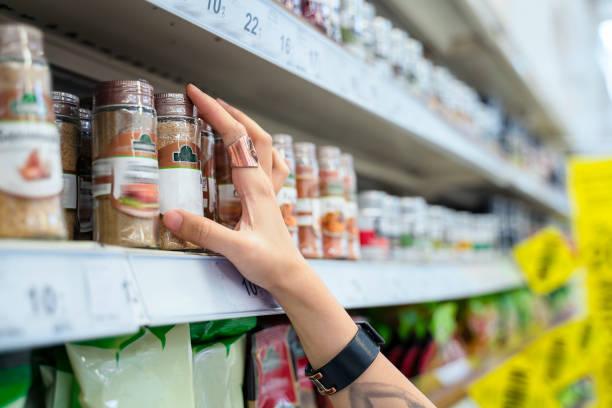
Spices are one of those things you pick up without much thought. A familiar brand, a small jar, something you know will last a while. It doesn’t feel like a big purchase. But compared to generic or bulk options, name-brand spices often carry a noticeable markup. Food experts frequently note that “branding and packaging significantly influence the price of spices more than the ingredients themselves.”
What makes this easy to overlook is how infrequently you buy them. Because they last longer, the price doesn’t feel as immediate or impactful. But when you compare options, the difference becomes clearer. You’re paying for the brand recognition, the packaging, and the trust that comes with it. And while that trust can be valuable, it’s another example of how small, routine choices can quietly shape how much you spend over time.
10. Pre-Marinated Meats: Flavor That Comes at a Premium

There’s something reassuring about picking up meat that’s already seasoned and ready to cook. It feels like one less step to think about, especially on a busy day. You see the marinade, the color, the promise of flavor, and it feels like a smart shortcut. But that convenience often comes with a higher price than expected. Retail insights frequently note that “pre-marinated meats are marked up due to added preparation, seasoning, and perceived value.”
What makes this easy to accept is how much effort it seems to save. You skip the measuring, the mixing, and the waiting time. But when you compare it to buying plain cuts and seasoning them yourself, the difference becomes clearer. The ingredients used in marinades are usually simple, but the added convenience increases the cost. It’s one of those choices that feels helpful in the moment, yet quietly adds more to your total than you might notice at first.
11. Specialty Coffee Drinks: More Than Just the Beans

Grabbing a ready-made coffee drink or bottled specialty coffee can feel like a small treat. It’s quick, satisfying, and fits easily into your routine. Whether it’s iced, flavored, or blended, it feels like something worth the extra cost. But behind that convenience, the markup is often significant. Industry observations commonly point out that “ready-to-drink coffee products are priced higher due to branding, packaging, and preparation.”
What you’re really paying for goes beyond the coffee itself. It’s the flavoring, the packaging, and the experience of having it ready without effort. Compared to brewing your own, the difference in cost becomes noticeable over time. But because it feels like a small indulgence, it rarely raises concern. It’s one of those everyday comforts that quietly adds up, not because it’s necessary, but because it’s easy.
12. Gourmet Cheese Blocks: Perception Drives Price
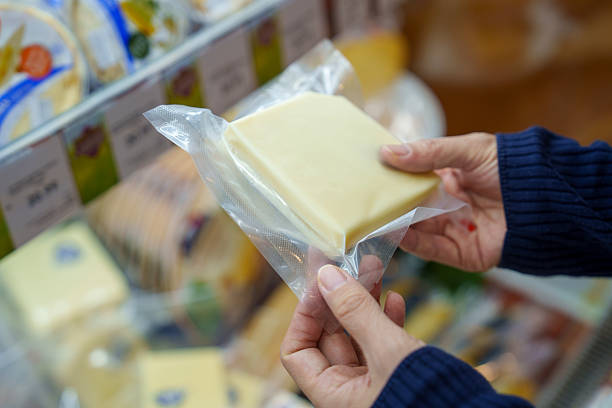
Walking past the cheese section, it’s easy to be drawn to the more refined options. The packaging looks elegant, the names sound distinctive, and it feels like a step above the ordinary. Gourmet cheese blocks often carry a higher price, and while quality can play a role, the markup is often influenced by perception. Food pricing insights suggest that “specialty and gourmet labeling can significantly increase product pricing beyond production costs.”
What makes this interesting is how much presentation matters. The way it’s displayed, labeled, and described shapes how you see it. It feels more valuable, and that perception makes the price easier to accept. But when you compare it to simpler alternatives, the difference isn’t always as large as the price suggests. It’s another example of how experience and perception can quietly influence what you’re willing to spend.
13. Organic Packaged Snacks: Health Framing and Higher Costs
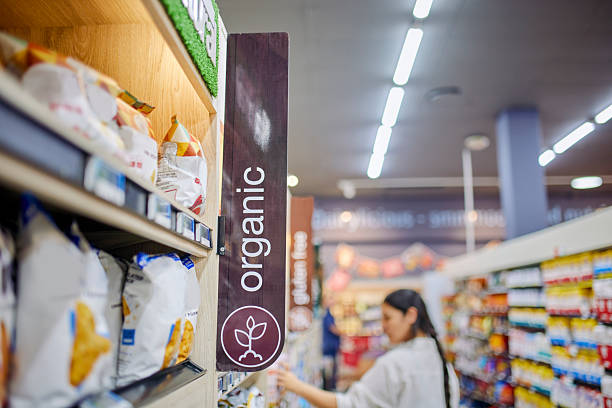
Choosing organic snacks often feels like a better decision; cleaner ingredients, fewer additives, something you can feel good about. And while there’s value in that, the price is usually higher than standard options. Consumer reports often mention that “organic labeling can increase product pricing due to certification, sourcing, and market demand.”
What makes this markup less obvious is the intention behind the purchase. You’re not just buying a snack, you’re choosing what feels like a healthier option. That purpose can make the price feel justified without much comparison. But when you look closely, the difference isn’t always as large as expected in terms of ingredients. It’s a reminder that while quality matters, the way a product is positioned can also shape how much you’re willing to pay.
14. Fresh Juice Bottles: Convenience Over Whole Fruit

Freshly bottled juice has a way of feeling like a better choice. It looks natural, often comes in clear bottles, and feels closer to the source than other drinks. It’s easy to pick one up and feel like you’re making a healthy decision. But the markup on these juices can be quite high. Food industry insights often state that “fresh juice products are priced higher due to processing, perishability, and packaging.”
What makes this one stand out is how it compares to whole fruit. The same fruits used to make the juice often cost less when bought individually. But the process of extracting, bottling, and presenting it changes the price significantly. You’re paying for the convenience of having it ready to drink. And while that can be useful, it’s another small choice that quietly increases your grocery bill over time.
15. Imported Olive Oils: A Drizzle That Costs More

Reaching for a bottle of imported olive oil feels like adding a touch of elegance to your cooking. The dark glass bottle, the foreign label, the aroma when you open it, all of it feels premium. But that premium often comes with a steep markup. Industry reports note that “imported olive oils can carry higher prices due to sourcing, transport, and branding, even when domestic alternatives are nearly identical in quality.”
The key here is perception. A simple drizzle over salad or roasted veggies suddenly feels gourmet, and the cost seems justified. But the reality is that local or less prominently branded olive oils often offer very similar quality at a fraction of the price. Convenience and perceived sophistication quietly nudge shoppers to spend more, turning a pantry staple into a luxury indulgence without you even realizing it.
16. Pre-Packaged Salads: Ready-to-Eat, Ready-to-Pay
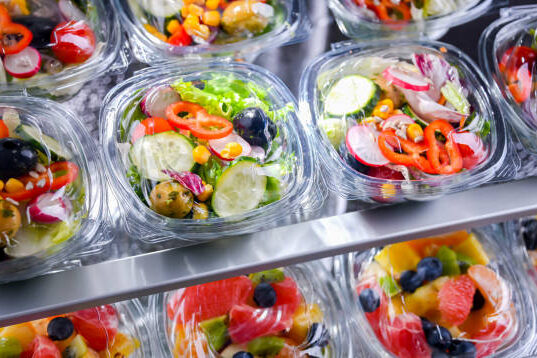
There’s no denying the appeal of grabbing a bag of pre-washed, pre-chopped salad greens. It’s a time-saver, fits neatly into the fridge, and looks fresh every time. But that convenience comes with a price. Food industry analyses frequently point out that “pre-packaged salads are marked up significantly compared to whole heads of lettuce or greens due to labor, packaging, and shelf-life maintenance.”
What’s fascinating is how effortless it feels to justify this extra cost. You’re buying time and reducing preparation stress, which has value, no question. But the markup quietly accumulates week after week if you rely on it for every meal. Learning to balance convenience with cost awareness can help keep your grocery bill in check while still enjoying easy, healthy meals.
17. Frozen Meal Kits: Quick Solutions, Bigger Bills

Frozen meal kits offer a tempting shortcut to dinner. Everything is measured, proportioned, and ready to cook in minutes. But experts warn that “frozen meal kits are often marked up heavily for convenience, packaging, and marketing, sometimes costing three to four times more than assembling the same ingredients yourself.”
The appeal is undeniable: you skip prep, avoid waste, and get a balanced meal with minimal effort. But those benefits come at a premium. Over time, relying on frozen kits can quietly inflate your food budget. Being aware of the hidden costs lets you enjoy these convenience meals occasionally, while still finding ways to save elsewhere in your grocery shopping.
18. Artisan Breads: Crafty Pricing Behind the Crust

Walking past a display of artisan loaves can make even a basic sandwich feel fancy. The rustic crust, unique shapes, and specialty grains catch your eye and elevate the perception of value. But pricing experts note that “artisan breads carry high markups due to branding, small-batch production, and perceived uniqueness, even when ingredients are similar to regular breads.”
It’s the experience that sells, that sense of buying something crafted and special. And while it feels worth it, the markup is often more about the story than the substance. Understanding which treats are genuinely premium versus which are priced for perception can help shoppers make smarter choices without missing out on little pleasures.