

1. Bigger Packs Feel Like a Smart Win

It usually starts in a quiet, familiar way. You’re standing in the aisle, comparing two options, and the bigger pack just feels like the wiser choice. It promises more for less, and there’s a certain comfort in thinking you’ve planned ahead. Maybe it even feels like you’re being a bit more responsible, stretching your money further without much effort. A lot of us grew up hearing that buying in bulk saves money, so it sits naturally in the back of your mind. And to be fair, sometimes it does work out that way, especially for items you use often and finish quickly. But that assumption doesn’t always follow through once you get home and settle into your normal routine.
The truth is, value isn’t just about how much you buy, it’s about how much you actually use. Large packs can quietly lead to waste, especially with perishable items that don’t last as long as we expect. A simple reminder often shared in consumer advice is that “bulk buying only saves money when the product is used before it expires.” It sounds obvious, but it’s easy to overlook in the moment. When food goes bad or gets forgotten at the back of the shelf, the extra quantity turns into extra cost. Over time, those small losses add up in ways that aren’t immediately visible. So instead of focusing only on size, it helps to think about your real habits. Buying what fits your pace, your meals, and your week tends to work out better in the long run.
2. Store Brands Deserve a Second Look

There’s often a quiet pause when you reach for a store brand. It’s not always something you think about deeply, but it’s there. The packaging is simpler, the price is lower, and it makes you wonder what you might be giving up. For many people, brand names have built trust over time, so choosing something different can feel like a small risk. It might remind you of a time when cheaper options didn’t quite meet expectations, and that memory lingers. So even when the price difference is noticeable, it’s easy to stick with what feels familiar. That sense of comfort can quietly shape your choices more than you realize.
But when you look a little closer, the gap between store brands and name brands isn’t always as wide as it seems. In fact, industry insights often mention that “private label products are frequently produced by the same manufacturers as national brands.” The main difference tends to be marketing and presentation rather than the product itself. Once you start trying a few items here and there, the hesitation usually fades. You begin to notice that many of them perform just as well in everyday use. It doesn’t have to be a complete switch overnight. A gradual approach feels more natural, and it gives you room to decide what works for you. Over time, those small changes can quietly reduce your grocery bill without changing your routine too much.
3. Not Every Sale Is a Real Saving

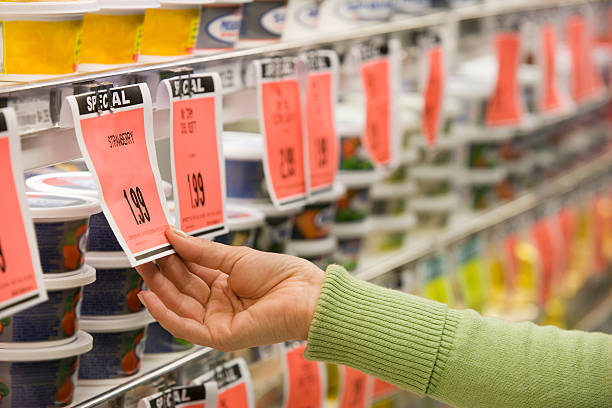
There’s something about seeing a sale tag that instantly feels rewarding. Even before you check the details, it gives the impression that you’re getting ahead, like you’ve found a small advantage in your shopping. It might be a bright label, a percentage off, or a limited-time offer, and it naturally pulls your attention. In that moment, it feels like an opportunity you shouldn’t miss. Many of us have been there, adding something to the cart simply because it’s on sale, not because we planned to buy it. It doesn’t feel like overspending at the time, it feels like making a smart move. But those small decisions can quietly shift your budget in ways that aren’t obvious right away.
A useful reminder that often comes up in retail advice is that “a discount only saves money if the purchase was already planned.” That idea tends to settle in once you start noticing your habits more closely. Sometimes sale prices aren’t as low as they appear, and in some cases, items are marked up before being discounted. Without knowing the usual price, it’s hard to tell if you’re truly saving. Over time, buying unplanned items, even at a discount, still adds to your total spending. The real shift comes when you start treating sales as a bonus rather than a reason to buy. When something you already need happens to be discounted, that’s where the value shows itself more clearly.
4. Organic Isn’t Always Out of Reach

There’s an automatic thought that organic must cost more. You see the label, glance at the price, and immediately assume it’s out of your budget. For many shoppers, it becomes a reflex, organic equals expensive, conventional equals affordable. That assumption quietly shapes how we shop week after week. Yet the difference isn’t always as dramatic as it seems. Depending on the season, store, and product, organic options can sometimes be surprisingly close in price to non-organic items. A quick comparison can reveal that what feels expensive may actually be manageable, and occasionally even cheaper than conventional items on sale.
Experts note that “price differences vary widely by product and timing,” which means a little flexibility goes a long way. Buying what’s in season, checking weekly promotions, and exploring store brands of organic items can bring prices down without sacrificing the qualities you’re looking for. It’s not about switching everything to organic overnight but rather staying open to possibilities where it makes sense. Over time, these small adjustments help you get what you want without silently stretching your budget. Once you realize that organic isn’t always far out of reach, it changes how you approach the shelves, making your choices feel intentional rather than limited.
5. Discount Stores Aren’t Always the Cheapest

Walking into a discount store carries a sense of confidence. You expect to save money, and often you do. There’s an excitement in seeing low prices across so many aisles, and it feels like your wallet can breathe a little easier. But while some items are bargains, others may not be priced lower than competitors. It’s easy to assume that everything in the store is automatically cheaper, and that assumption can quietly inflate spending if you’re not paying attention.
Retail experts point out that “no single store consistently offers the lowest price on every item,” which means smart shopping is still needed. Comparing a few key staples across stores; like milk, eggs, or cereal can reveal unexpected differences. Some products are cheaper at larger supermarkets or local markets, despite the discount store’s reputation. Understanding where to buy what gives you a practical edge, without the stress of chasing every sale. Over time, these small choices can quietly improve how far your money stretches, showing that even trusted discount stores benefit from a thoughtful approach.
6. Fresh Isn’t Always the Healthiest Choice
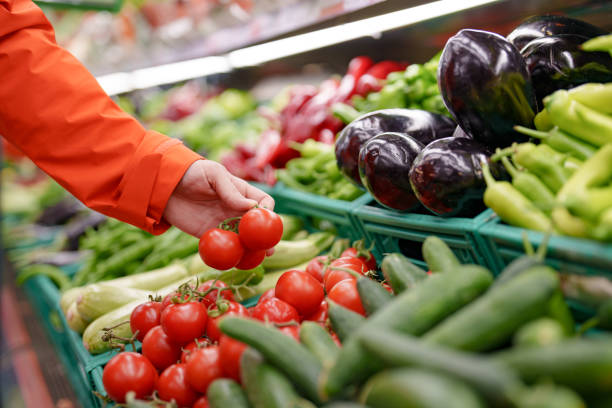
Fresh produce has a reputation for being the best choice, full of flavor, and bursting with nutrients. It feels more wholesome, and most shoppers naturally gravitate toward it. There’s a comfort in selecting vegetables or fruits that look vibrant and recently picked. But the assumption that fresh always equals better value or nutrition doesn’t always hold up. The downside is that fresh produce can spoil quickly, leading to unintentional waste that quietly eats into your budget.
Frozen options, on the other hand, are picked at peak ripeness and quickly preserved, often maintaining most of their nutrients. Nutrition experts frequently note that “frozen fruits and vegetables can be just as nutritious as fresh,” making them a practical alternative. They also last much longer, reducing waste and giving you flexibility in meal planning. Combining fresh and frozen options allows you to balance taste, nutrition, and cost. Small shifts like this can make grocery shopping feel smarter and less stressful, helping you get more for your money without sacrificing quality.
7. Shopping Daily Often Costs More

Some shoppers prefer short, frequent trips, thinking they’re keeping spending under control. The idea of buying only what’s needed that day seems practical, and the freshness of daily shopping feels appealing. It gives a sense of immediacy and control, like you’re making smart decisions in real time. But the hidden cost comes from impulse purchases. Every quick trip increases the chance of grabbing snacks, treats, or other extras you didn’t plan for.
Behavioral studies confirm that “frequent small purchases can lead to higher overall spending due to unplanned items.” Weekly shopping with a prepared list reduces those moments of temptation and gives you structure without feeling restrictive. Planning ahead allows you to buy the quantities you need, take advantage of promotions, and reduce food waste. Over time, this approach quietly saves money and reduces the mental load of deciding on the fly. Fewer trips also mean less time in the store, leaving your schedule and your wallet lighter.
8. Price Doesn’t Always Equal Quality
There’s a natural instinct to trust higher-priced items. Expensive packaging, sleek branding, and premium placement all signal quality, so we assume a higher cost must reflect better product performance. That belief is deeply ingrained and often guides decisions without conscious thought. Yet price tags aren’t always a reliable measure of quality. Some expensive items carry a premium for marketing, packaging, or brand recognition rather than the product itself.
Consumer insights often remind us that “higher cost does not always guarantee higher quality.” Trying alternatives, store brands or less expensive items, can reveal options that perform just as well. Sometimes the products we already know and trust are unnecessarily inflated in price, and opening up to alternatives quietly improves overall value. It’s not about avoiding expensive items altogether; it’s about being curious and willing to compare. Over time, this mindset creates small wins for your budget without sacrificing what you enjoy.
9. Imported Doesn’t Always Mean Better

Imported items carry a subtle prestige. There’s a belief that something from another country must be higher quality, fresher, or more authentic. This perception can guide decisions without a second thought, shaping how we approach food shopping week after week. It’s a quiet assumption many of us carry, especially when the packaging or label emphasizes origin. Local products, however, often rival or surpass imported options in both freshness and flavor.
Many experts note that “locally sourced products can offer better freshness due to shorter transport times,” which sometimes makes them the smarter choice. Local options may also cost less and reduce environmental impact, making them a practical choice in more ways than one. Choosing local doesn’t mean settling for less, it often means getting more for your money while supporting nearby producers. Small shifts like this can make a noticeable difference over time.
10. Coupons Only Work if Used Right

Coupons feel like instant savings. Clipping or scanning them gives a sense of accomplishment, as if you’ve outsmarted the store. It’s satisfying to watch your total drop at checkout. But not every coupon is genuinely saving you money. The trap comes when it prompts unplanned purchases. Buying items just because a coupon exists can quietly inflate your overall spending. Financial guides often point out that “coupons are only beneficial when used for planned purchases.”
That insight changes the approach entirely. Instead of hunting every deal, focusing on what you already need ensures the coupon genuinely reduces costs. Over time, this habit helps you see real savings rather than artificial ones, giving you control over both your spending and your shopping habits. It’s a subtle change, but one that adds up week after week.
11. Pre-Cut Produce Costs Convenience

Walking past the pre-cut fruit and vegetable section can feel like a time saver. The neatly sliced bell peppers, pre-chopped carrots, or ready-to-go salad mixes seem perfect for busy days. It’s tempting to think that paying a little extra is worth the convenience, and for some people, it genuinely is. After all, if skipping prep means getting a meal on the table faster, that can feel like a bargain in itself. But there’s a hidden cost in every package, and over time, it quietly adds up in ways your budget notices. The extra price is largely for labor and packaging rather than the product itself. Experts note that “pre-prepared foods often carry significant markups compared to buying whole produce.”
With a few extra minutes at home, slicing your own vegetables can save more money than you might realize, without changing your meals at all. Beyond cost, preparing produce at home can be more flexible, you can adjust portions, avoid spoilage, and even keep ingredients fresher longer. It’s not about giving up convenience entirely; it’s about recognizing when it’s truly worth paying for and when a small effort saves you money in the long run. Once you experiment with a mix of pre-cut and whole items, it often becomes clear that balance is the smarter choice.
12. Low Price Doesn’t Guarantee Value

It’s easy to assume that the cheapest option is automatically the best deal. The number on the tag jumps out at you, and there’s a sense of satisfaction in thinking you’ve saved money. That quick mental win is compelling, especially when shopping on a budget or trying to stick to a strict grocery list. But low price alone doesn’t account for durability, quality, or actual usefulness, and that’s where many shoppers get tripped up. Value is more than just the sticker price. Consumer advice often emphasizes that “value is measured by use and performance, not cost alone.”
An inexpensive item that breaks, spoils quickly, or doesn’t satisfy may result in repeat purchases, ultimately costing more than the pricier, longer-lasting alternative. Over time, noticing this difference changes how you evaluate products. You start comparing not only the price per unit but also the expected lifespan, versatility, and satisfaction. What initially seemed like a smart bargain can quietly turn into a higher total cost if you don’t consider these factors, showing that a low number doesn’t always equal a good deal.
13. Hunger Drives Hidden Spending

We’ve all been there: shopping on an empty stomach. The aisles look brighter, the packaging seems more appealing, and suddenly everything feels essential. It’s an instinct that’s hard to ignore, but it quietly inflates your grocery bill more than most people realize. Even small cravings can lead to items added to the cart that weren’t on your list, and these extras slowly accumulate. Studies in consumer behavior confirm that “hungry shoppers are more likely to buy high-calorie, unplanned items.”
A quick snack before shopping can reduce impulse decisions and keep your focus on what you really need. Beyond money, shopping when hungry can affect meal planning too, as you may buy ingredients you don’t end up using or quantities larger than necessary. By taking a small pause, having a bite, or simply making a plan before heading out, you create space for intentional choices rather than reactive ones. That small effort can make your shopping trips feel calmer and your spending more predictable.
14. Store Prices Aren’t Uniform

Many people assume that grocery prices are nearly the same no matter where you shop locally. Walking into two stores that are just a few miles apart, it’s tempting to expect similar numbers on the shelf. That assumption is subtle, but it can quietly influence how we perceive value and what we choose to buy. The truth is, pricing strategies differ between retailers. Some items may be “loss leaders” in one store but full price in another, while other products may have varying promotions or regional adjustments.
Experts often note that “retailers adjust prices based on competition, demand, and inventory levels,” meaning the cheapest option isn’t always obvious. Paying attention to recurring staples, tracking unit prices, and noticing where particular items are cheaper over time can help you make smarter decisions. Small awareness like this often leads to meaningful savings without changing what you buy, showing that assuming uniformity can cost more than you think.
15. Brand Loyalty Can Be Costly

Many of us stick with familiar brands. There’s comfort in predictability, the flavor is consistent, you know the texture, and it fits seamlessly into your meals. Over time, that habit quietly shapes your shopping patterns. While it feels safe, it can also limit opportunities for savings or discovery. Loyalty often comes with a hidden cost. Consumer advice frequently highlights that trying alternative brands can reveal comparable quality at lower prices.
Small experimentation, even with just a few products, helps you see where you’re overpaying for name recognition rather than performance. Eventually, flexibility becomes an easy habit. You may return to your favorite brands for some items but find better deals elsewhere, quietly trimming costs without losing satisfaction. Brand loyalty isn’t wrong, it’s just worth questioning whether it’s the most efficient way to shop.
16. Ready Meals Hide the Real Cost

Pre-packaged meals can feel like a budget-friendly shortcut, especially for busy households. They promise convenience, portion control, and sometimes even nutrition claims. It’s tempting to reach for these items when you’re tired or pressed for time, believing they save money compared to cooking from scratch. But the math often tells a different story. Ready meals usually carry a higher cost per portion than ingredients purchased individually.
Experts often remind shoppers that “cooking from basic ingredients is generally cheaper per serving and allows more flexibility.” Even simple meals like stir-fries, pasta, or soups can stretch ingredients further than pre-made options. Over time, choosing to cook at home can significantly reduce grocery spending, and the extra effort usually pays off in taste, nutrition, and satisfaction. It’s not about eliminating convenience entirely; it’s about knowing when it’s worth it and when home prep is the smarter choice.
17. Packaging Can Mislead Size

Packaging can be deceptive in subtle ways. A large box, a tall bottle, or a cleverly designed bag can make a product appear bigger than it is. Shoppers often rely on visual cues, assuming the bigger package is automatically better value, but that perception can quietly mislead you. The real measure is the unit price. Experts often advise checking weight or volume to compare products accurately. Small differences in packaging or air content can significantly affect the effective cost.
Being mindful of this helps you make informed decisions and prevents subtle overspending. Over time, consistently comparing unit prices becomes second nature, and what initially seemed like a bigger deal can quickly be evaluated objectively, revealing smarter ways to shop without changing your routine.
18. Seasonal Shopping Makes a Difference

Some shoppers assume prices are relatively stable throughout the year, but seasonality quietly shapes grocery costs. Fruits and vegetables in season are often fresher, more abundant, and more affordable. Ignoring seasonal cycles can mean missing out on natural price drops that make shopping smarter. Experts often point out that “buying produce in season reduces costs and increases freshness.”
Adjusting shopping habits slightly, like prioritizing apples in fall or berries in summer, lets you enjoy quality products without overspending. Over time, aligning purchases with seasonal availability creates savings and encourages more variety in meals. Seasonal awareness isn’t complicated; it’s simply paying attention to nature’s schedule and letting it guide smarter shopping choices that quietly add up.
19. Healthy Eating Doesn’t Require a Big Budget
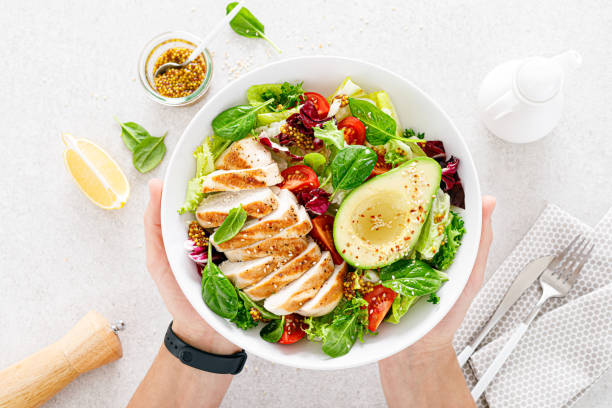
There’s a common assumption that eating healthy always costs more. Fresh produce, organic items, and quality proteins are often associated with higher prices, which discourages many shoppers. But planning, basic staples, and simple meals can make nutritious eating accessible for most budgets. Financial guides emphasize that “healthy eating is more about planning and choices than overall spending.”
Staples like beans, rice, eggs, and seasonal produce can create balanced, affordable meals without breaking the bank. Shopping with intention and mixing price points allows for nutritious meals that don’t silently inflate your grocery bill. Over time, even small choices, like switching brands, comparing unit prices, and embracing seasonal items, add up, proving that eating well isn’t limited to big budgets.
20. Small Savings Multiply Over Time

It’s easy to dismiss small savings. Choosing a slightly cheaper brand, using a coupon, or swapping a packaged snack for a homemade alternative feels minor in isolation. Many shoppers overlook the cumulative effect, assuming the difference is negligible. Yet financial experts note that “consistent small savings lead to meaningful long-term impact.” Each mindful choice adds up week after week. The subtle effect of these decisions quietly reshapes your budget over months and years.
When you begin tracking habits, even small changes in daily grocery shopping can yield surprisingly noticeable results. The lesson is simple: awareness and small, consistent choices are as important as major budget shifts. Over time, the accumulation of mindful decisions quietly strengthens your financial flexibility and empowers smarter shopping habits for life.