

1. Watch the Weekly Flyers
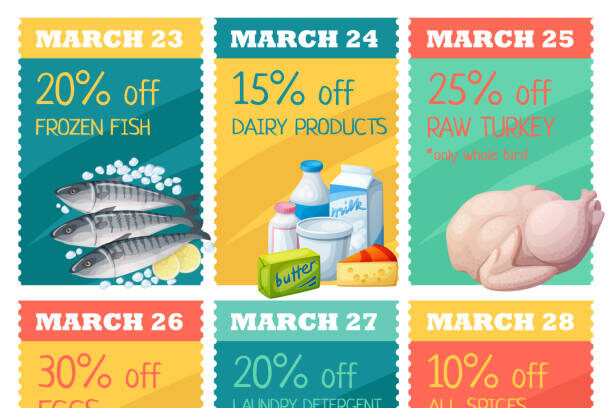
There’s something almost comforting about flipping through a grocery store’s weekly flyer. The bright colors, neat images, and big numbers signal potential savings and special deals, almost like a small treasure map for your wallet. Many shoppers ignore flyers entirely, thinking they’re just marketing gimmicks, but there’s real value in paying attention. By taking a few minutes to glance at what’s on promotion each week, you can start noticing patterns and timing your purchases more strategically. For example, if you see that milk or eggs frequently appear on sale every other Wednesday, you can plan your trip around those dates instead of buying at full price. Over time, this awareness reduces the chance of impulse buys because you know when a better deal is coming. It’s not about obsessing over every discount but about recognizing the rhythm of the store so your shopping decisions feel more intentional.
Retail experts often note that “keeping track of weekly deals helps shoppers time their purchases for maximum savings.” Many stores now offer digital flyers or apps that alert you to sales, which makes this process even easier. Checking these sources can also highlight seasonal or bulk promotions, such as holiday turkeys or pantry staples. When you build the habit of consulting the flyer, it changes the way you interact with the store entirely. Instead of wandering aimlessly, you shop with a plan, reducing stress and saving money without feeling like you’re cutting corners. Watching flyers doesn’t just protect your budget, it teaches you to anticipate value, helping your grocery trips feel calmer, smarter, and more rewarding in the long run.
2. Know the Seasonal Rhythms

Grocery shopping often feels like a routine, but the calendar quietly affects prices and quality more than most people realize. Certain fruits and vegetables, like strawberries in early summer or apples in the fall, have natural peaks in both flavor and affordability. Ignoring seasonality can mean paying more for items that aren’t at their best, while understanding these cycles helps you decide when to buy and when to wait. Seasonal patterns extend beyond produce too, think of seafood, meats, or even packaged items that often go on promotion when demand is lower. Observing these cycles allows you to enjoy fresher, tastier food while also stretching your grocery budget. It’s a subtle but powerful way to make your shopping smarter and more intentional.
Experts emphasize that “buying in-season produce increases freshness and reduces costs.” For instance, cherry tomatoes might be outrageously expensive in December, but during summer months they are plentiful, cheaper, and more flavorful. Beyond produce, certain grocery items like baking supplies often go on sale ahead of holiday seasons, so timing can save even on pantry staples. Learning seasonal rhythms doesn’t require memorizing exact dates, it’s about observing patterns and planning a few weeks ahead. Over time, you naturally start buying what’s at its best, avoiding high prices and disappointment, and making your shopping experience feel more like a thoughtful routine rather than a series of reactive decisions.
3. Track Price Patterns

Prices might feel random at first glance, but stores often follow subtle patterns in discounts and promotions. Watching how the cost of items changes over weeks or months can give you a clear sense of when it’s better to buy and when it’s smarter to wait. For example, breakfast cereals, canned goods, and household staples often follow predictable cycles. Noticing these patterns transforms your shopping from impulsive to strategic. It’s like having a secret map, one that helps you plan purchases when prices truly make sense, instead of paying full price for something that could drop the following week.
Financial advisors emphasize that “tracking price history allows shoppers to make smarter timing decisions.” There are even simple ways to do this, from jotting notes in a notebook to using grocery apps that track deals over time. By observing a few cycles, you start recognizing when certain products regularly reach their lowest price points. You can then plan trips or stock up strategically, without overspending or hoarding unnecessarily. Over time, this practice builds confidence in your decisions, reduces wasted money, and helps you focus on genuine value rather than temporary discounts. It quietly teaches patience and foresight, turning your weekly grocery trips into a deliberate, cost-effective routine that consistently stretches your budget.
4. Pay Attention to Store Stock

Have you ever noticed that certain products seem fuller on particular days of the week? Grocery stores often follow restocking schedules for produce, meats, baked goods, and even pantry items. Observing when shelves are replenished can help you decide when it’s the best moment to buy. Freshly stocked items tend to last longer at home, while older stock may be marked down or nearing expiration. By simply paying attention to these cycles, you can make smarter decisions about when to purchase, especially for perishable items. It’s a small habit that prevents waste and ensures you get quality products for your money.
Retail insiders explain that “restocking patterns can indicate peak freshness and potential discounts.” Noting when items appear consistently full or marked down allows you to time your shopping trips for maximum benefit. This habit doesn’t require precision, just a few observations over a couple of weeks can reveal patterns you can act on. Understanding restocking rhythms helps avoid frustration, ensures better meal planning, and reduces unnecessary trips to the store. Over time, it becomes second nature to know when to buy versus wait, giving you both savings and peace of mind. Your grocery shopping transforms from guesswork into an intuitive process guided by observation and experience, letting you feel more in control of both your budget and your meals.
5. Learn the Sale Cycles

Shoppers often assume that sales happen randomly, but many grocery stores follow predictable patterns. Certain items, like household staples or breakfast cereals, cycle through discounts at regular intervals. Recognizing these cycles can save you a lot over time. If you notice that a store consistently discounts paper towels or pasta every third week, waiting for the sale rather than buying immediately can add up to significant savings. It’s not about delaying essentials indefinitely, it’s about observing patterns and aligning your shopping with them. Over weeks, this habit allows you to plan smarter purchases and reduces the anxiety of “did I pay too much?”
Industry insiders often note that “certain items go on sale regularly, so timing purchases based on historical patterns can increase savings.” Many stores now make this easier through apps that track past promotions or notify you when your usual items go on discount. Even without apps, simply keeping notes on what’s on sale week after week builds awareness. Once you learn these cycles, you naturally know when to wait and when it’s a good moment to buy. This approach quietly turns your grocery trips from reactive to strategic, giving you confidence and saving money without feeling restrictive. Timing your shopping isn’t a hassle, it becomes part of the rhythm, letting you get the most value with minimal stress.
6. Compare Unit Prices

It’s easy to glance at a large package and assume it’s cheaper than the smaller alternative, but the real story is in the unit price. Comparing cost per ounce, pound, or item is a simple way to see which option truly saves money. Many shoppers skip this step because it feels tedious, but the difference often matters more than you think. A big box might have a higher upfront cost but a higher unit price, while a smaller package is a smarter choice. Once you start paying attention, it becomes a habit that subtly improves your budget without changing what you buy.
Experts often point out that “unit pricing is the most reliable way to determine real value.” Stores usually display this information on the shelf, but it can be easy to overlook amid bright colors and sale tags. Taking a moment to check the unit price before tossing an item in your cart ensures you’re making an informed decision. Over time, this small habit helps you spot hidden bargains and avoid overpaying. It also teaches a subtle discipline in shopping, one that makes comparing options intuitive and your spending more deliberate. Unit prices are like a quiet cheat code for smart grocery shopping, letting patience and attention work for your wallet.
7. Watch for Clearance Sections
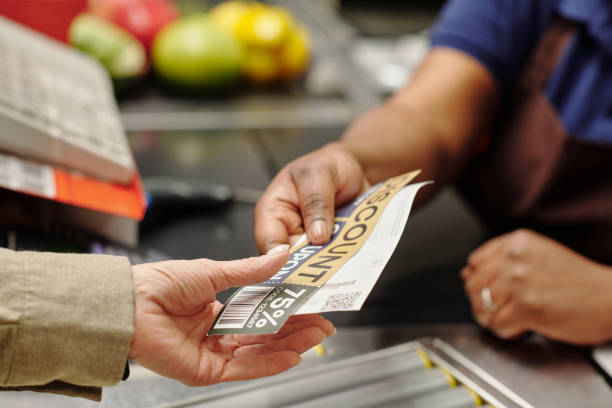
The clearance section can feel like a treasure hunt. It’s easy to assume these items are just leftovers or nearing expiration, but with careful attention, they can be real bargains. Checking this section regularly helps you spot deals on items you might have purchased at full price otherwise. Some items are marked down for packaging changes, overstock, or approaching “best by” dates. Paying attention to freshness and understanding which products are safe to buy gives you extra flexibility in your shopping without extra cost.
Retailers explain that “clearance items often rotate daily, so timing matters.” Observing the section regularly can help you catch items while they’re fresh but discounted, giving you an opportunity to save without compromising quality. You can plan meals around these finds or stock up on pantry essentials, which quietly stretches your budget. Over time, clearance shopping becomes an intuitive part of your routine, one that balances patience with opportunistic buying. What initially seems random can become a structured, strategic approach that maximizes value and reduces waste, making your trips to the store feel smarter and more rewarding.
8. Track Loyalty Offers

Modern grocery stores offer loyalty programs that go beyond simple points or rewards. These programs frequently provide personalized discounts and digital coupons based on your buying habits. Many shoppers ignore them or think signing up isn’t worth it, but tracking loyalty offers can signal when to buy and when it’s smarter to wait. For example, if your store app notifies you of a discount on milk or bread that you purchase regularly, you know to time your shopping accordingly rather than buying at full price. It’s a subtle form of guidance that aligns your spending with genuine value.
Industry insights suggest that “loyalty programs encourage repeat purchases but also provide valuable savings when used strategically.” By paying attention to the app or weekly emails, you can anticipate discounts for items you actually need rather than chasing random deals. Over time, this habit helps you make purchases with confidence and reduces the risk of overspending on items that aren’t necessary. Using loyalty insights doesn’t require extra effort, it just involves checking notifications before heading to the store. This simple practice quietly transforms how you approach shopping, allowing you to buy what you need at the best time and stretch your grocery budget further without stress.
9. Watch the Meat and Seafood Markdowns

There’s a quiet art to timing your purchases in the meat and seafood sections. Many shoppers rush to buy fresh cuts at full price, unaware that stores often mark down items close to their sell-by date. These markdowns can offer excellent deals if you plan to cook or freeze them quickly. Understanding when these discounts typically appear gives you an advantage, you can snag high-quality protein at a fraction of the regular cost without compromising safety or taste.
Industry insiders note that “meat and seafood discounts usually happen late in the day or on certain restock days.” Observing patterns, such as when the butcher restocks or when the day-old seafood is reduced, allows you to plan trips strategically. It’s a balance between freshness and price, but once you become familiar with the rhythm, it feels intuitive. Using the freezer creatively or planning meals around these markdowns turns what seems like a risk into a savvy savings strategy. Over time, you start to naturally know when to wait and when to buy, reducing waste and making your protein purchases smarter without extra effort.
10. Buy in Bulk, But Mind the Shelf Life

Bulk buying is a classic way to save money, but it’s not always the right choice. The appeal of larger quantities often masks the potential for spoilage or unused items, which can quietly negate the savings. Items like rice, pasta, or canned goods are great for bulk because they store well. However, perishable products require a more careful approach, knowing when to buy and how much to store is key. Timing bulk purchases with sales ensures you maximize value without waste.
Experts point out that “bulk buying works best for non-perishable items or products you use consistently.” By planning ahead and matching bulk buys with weekly menus or storage capabilities, you avoid unnecessary loss. Over time, this method allows you to stock up strategically, blending patience with practicality. Bulk shopping isn’t just about buying more, it’s about understanding your household’s usage patterns, seasonal trends, and promotions. This insight transforms what could be impulsive buying into a thoughtful, budget-friendly habit that pays off week after week.
11. Learn the Fresh Produce Rotation
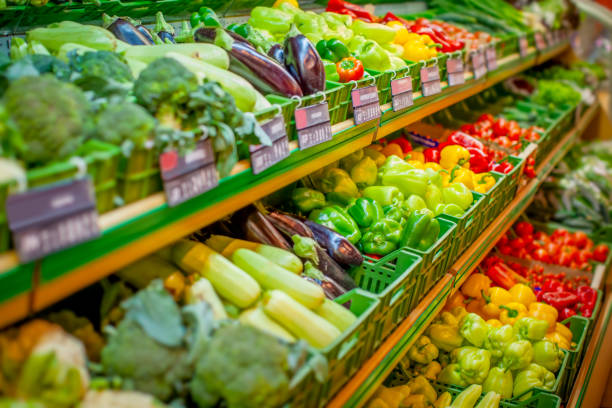
Fresh fruits and vegetables don’t just have seasons, they follow subtle store rotation patterns too. Many stores restock certain produce on specific days, which affects freshness and price. Paying attention to when produce is replenished helps you decide whether to buy immediately or wait a day or two for a fresher, potentially discounted batch. This small observation habit can significantly reduce waste while ensuring you get the best value.
Retailers often mention that “produce rotation affects quality and potential markdowns.” Observing which items appear consistently on top shelves versus lower ones, and noting when older stock is discounted, gives you an edge. Over time, you intuitively understand the best times to buy tomatoes, berries, or leafy greens. This approach allows you to align purchases with freshness and price, turning routine grocery trips into strategic decisions. It’s a subtle, low-effort way to save money while enjoying higher-quality meals at home.
12. Use Apps to Track Prices

Smartphone apps can be surprisingly powerful tools for grocery shoppers. Many store apps alert you to discounts, track price history, or even suggest alternative stores for better deals. Using technology to guide purchases helps you know when to buy and when to wait, eliminating guesswork and stress. Instead of relying solely on memory or the flyers, you have real-time insights at your fingertips. Experts suggest that “grocery apps and digital tools help shoppers optimize timing and spending.”
By checking prices digitally before heading to the store, you avoid paying full price unnecessarily. Some apps even track your personal shopping habits, recommending when to restock certain staples. Over time, this habit feels natural, like having a personal assistant guiding your shopping strategy. Integrating these tools into your routine quietly enhances your budget and ensures you consistently buy smarter, blending convenience with cost-consciousness.
13. Plan Around Holidays and Events

Holiday weeks often change the grocery landscape. Demand spikes for certain products, prices fluctuate, and sales appear strategically. Knowing which items to buy before a surge and which to wait on can save money and reduce stress. For example, baking supplies might be cheaper right after a holiday instead of the week leading up to it. Planning your shopping around these cycles gives you both better prices and fresher stock.
Retail insights highlight that “holiday pricing is influenced by demand and promotions, so timing is key.” Observing patterns over time allows you to anticipate when specific staples drop in price and when waiting is smarter. This strategic approach ensures you buy essentials at optimal cost, avoiding inflated prices during peak weeks. Over time, holiday-aware shopping becomes intuitive, allowing you to navigate the aisles with confidence and stretch your budget further without last-minute compromises.
14. Don’t Forget Clearance Bins

Every store has a clearance or markdown section. Shoppers often overlook it, thinking it’s just old stock, but with careful observation, it can reveal hidden bargains. Clearance bins are particularly useful for non-perishable or frozen items. Timing your purchases around these markdowns allows you to snag deals without sacrificing quality or freshness. Retail experts note that “clearance items often rotate frequently, so regular attention pays off.” By checking these sections consistently, you learn which items are safe to buy and when deals are most abundant.
Over time, this habit allows you to supplement your regular shopping with strategic finds, reducing your total grocery spend. Clearance sections are like little treasure troves that reward patience and observation, quietly boosting your budget while letting you enjoy variety and value in your weekly meals.
15. Check Expiry Dates Carefully
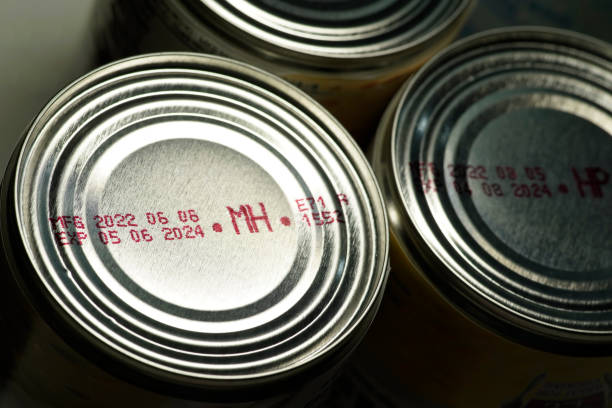
It sounds simple, but paying attention to expiry dates can make the difference between a smart purchase and a wasted one. Buying perishable items on sale is only worth it if you can use them in time. Shoppers often assume discounted items will last longer than they do, leading to unnecessary waste. By checking dates carefully, you know whether to buy now or wait for a fresher batch. Experts suggest that “mindful attention to expiration dates reduces waste and ensures value.”
This habit applies to dairy, meat, bread, and even some packaged goods. Over time, checking dates becomes second nature, helping you make informed decisions without extra effort. Aligning purchases with realistic consumption ensures you enjoy savings without the hidden cost of spoilage. It’s a subtle, practical strategy that quietly strengthens your grocery routine and protects both your budget and your meals.
16. Mix Patience with Smart Instincts

The final secret is learning the balance between waiting and buying. Patience allows you to capitalize on sales, clearance deals, and seasonal pricing. At the same time, instinct matters, you don’t want to miss genuinely good deals by overthinking every purchase. Observing patterns, tracking prices, and noting promotions all feed your intuition, helping you decide when to act and when to wait. Financial experts often emphasize that “consistent, mindful shopping decisions accumulate into meaningful savings.” Over time, your repeated observations, combined with a willingness to pause and wait when appropriate, create a natural rhythm.
You shop with awareness rather than impulse, blending timing, intuition, and strategy. The result is a smarter, calmer grocery routine that reduces overspending, improves meal planning, and makes every trip more satisfying. Small habits quietly add up, teaching you that buying and waiting wisely is as much about awareness as it is about discipline.