
1. Price Comparison Websites: The Digital Scout
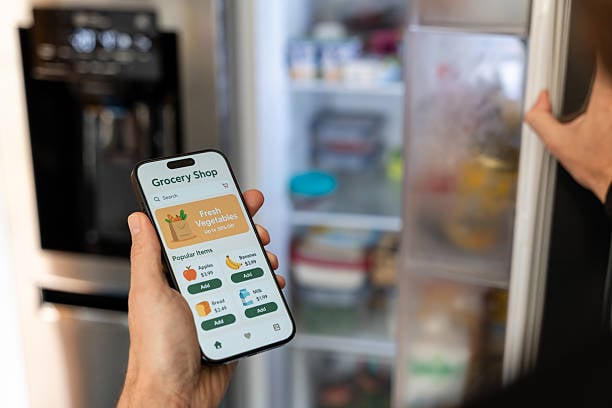
Before you even step into a store, price comparison websites act like a savvy friend, checking multiple outlets for the best deals. Sites like PriceGrabber or ShopSavvy let you type in the product and instantly see where it’s cheapest. Beyond just finding lower prices, some even show historical trends so you can determine if a sale is truly a bargain or just marketing hype. According to consumer experts, “Price comparison tools save time and can reduce monthly grocery bills by 10–20% when used consistently.”
Using these tools is more than just hunting discounts. Shoppers often find new stores or local markets they didn’t know carried certain items, which broadens options and introduces competition. This extra awareness helps you plan your shopping trips with intention, rather than impulse. Over time, using a price comparison tool builds confidence in buying smart; no guessing, just clear information. It’s like having a personal assistant dedicated solely to stretching your grocery budget.
2. Cashback Apps: Turning Purchases into Rewards

Cashback apps are quietly changing the way people shop, turning routine purchases into savings opportunities. Apps like Ibotta or Rakuten allow you to scan receipts or link loyalty cards and earn cash back for items you were going to buy anyway. Many users report that “even small percentages on everyday groceries add up to significant savings over a year.” It’s not just about finding lower prices, it’s about reclaiming part of what you spend.
Using cashback apps also shifts your mindset from mindless shopping to intentional savings. People start scanning deals before buying, planning their trips around available offers, and trying new products that come with rewards. Over time, this habit builds awareness about how every purchase matters. For households on tight budgets, it turns everyday errands into a small but steady financial boost, making grocery shopping feel a little more strategic and a lot more rewarding.
3. Browser Extensions: Coupons at Your Fingertips
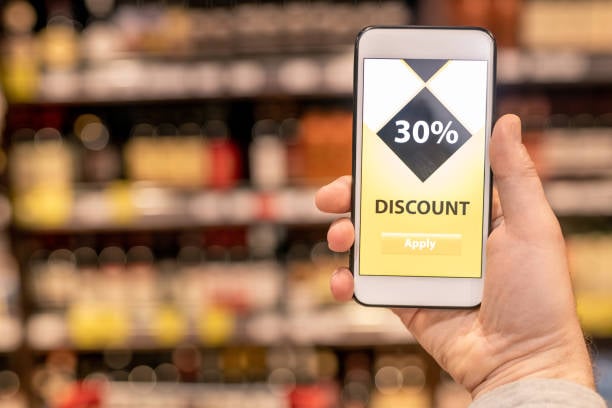
Sometimes the best deals appear when you’re not even looking for them. Browser extensions like Honey or RetailMeNot automatically apply coupons and promo codes when shopping online. Instead of manually searching for discount codes, the tool works in the background, quietly saving you money. Experts say, “Digital coupon extensions reduce friction in online shopping and can yield savings on groceries and household essentials without extra effort.”
Beyond just clipping coupons, extensions introduce shoppers to new brands and promotions they might have missed. They transform ordinary online grocery trips into mini treasure hunts, where discounts reveal themselves seamlessly. For frequent online buyers, this not only cuts costs but also fosters smarter purchasing habits. You end up making decisions with more information and less stress, which adds up to significant monthly savings over time.
4. Local Deal Aggregators: Community Insights for Savings

Some of the best grocery deals are right around the corner, if you know where to look. Local deal aggregator apps like Shopular collect flyers, circulars, and in-store promotions in your area, letting you see which stores have the best deals for the week. Users often find themselves discovering discounts they wouldn’t have seen on store apps, from fresh produce to household staples. According to consumer reports, “Aggregated local deals allow shoppers to plan purchases efficiently and maximize savings.”
The advantage of these tools is their focus on your community. Instead of generic national discounts, you get personalized visibility into what’s truly available nearby. Shoppers report a sense of control and foresight when planning their weekly grocery trips, reducing the last-minute stress of choosing between stores. It’s a practical way to combine convenience, awareness, and strategy, all in one glance at your smartphone.
5. Subscription Alerts: Never Miss a Sale

Subscription alerts and mailing lists are old-school meets modern tech, quietly keeping you in the loop about sales, product drops, and weekly specials. Signing up for newsletters from grocery chains or deal websites ensures you get first access to limited-time offers. Experts note that “consistently checking alerts from subscriptions can increase savings by exposing shoppers to deals they would otherwise overlook.”
The real magic comes from timing. When you know a sale is coming, you can plan meals and shopping lists around it, rather than buying at full price. Shoppers often discover that simply adjusting their schedule around subscription alerts can yield a few extra dollars per trip. It’s a low-effort, high-return habit, one of those tools that quietly changes grocery shopping from routine to strategic.
6. Barcode Scanners: Instant Price Checks
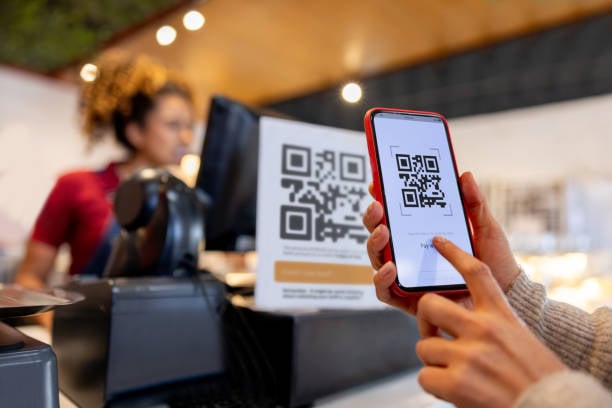
Sometimes the simplest tools make the biggest difference. Barcode scanning apps, like ShopSavvy or ScanLife, let you scan a product in-store and instantly see prices from multiple retailers. You no longer have to guess if that deal is really good — the app does the comparison for you. According to consumer insights, “Shoppers who use barcode scanners often find better deals than advertised, saving both time and money.”
Beyond checking prices, these apps reveal trends and alternative options. You might discover a nearby store with the same item for less or a comparable brand at a better price. Frequent users report that barcode scanning encourages smarter purchases and discourages impulse buys. Over time, it becomes second nature before you reach for a product, you know you’ve already checked the best price, making every shopping trip a little more strategic.
7. Loyalty Program Managers: Maximizing Points
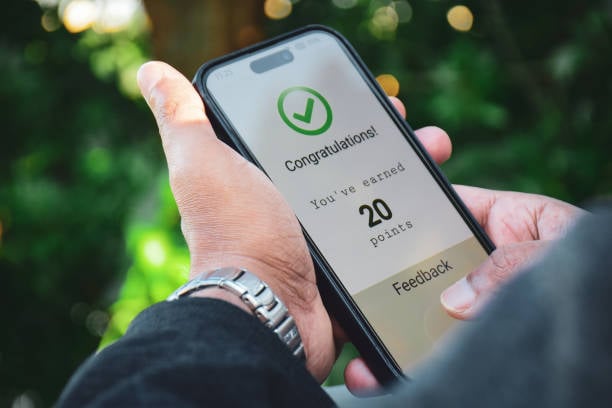
Loyalty program managers are more than digital cards, they’re money-saving allies. Apps like Stocard or Key Ring store all your loyalty cards in one place and remind you when points or discounts are available. Experts observe, “Consolidating loyalty rewards and using reminders ensures shoppers don’t miss out on savings they’ve already earned.”
These tools also help with planning. When you know which stores have the best point offers or rewards, you can schedule trips more efficiently and prioritize deals. Users often find that points they would have forgotten about accumulate and translate into real grocery savings. It’s like having a personal assistant who ensures no reward slips through the cracks, quietly lowering the cost of weekly essentials.
8. Cashback Credit Cards: Earn While You Spend
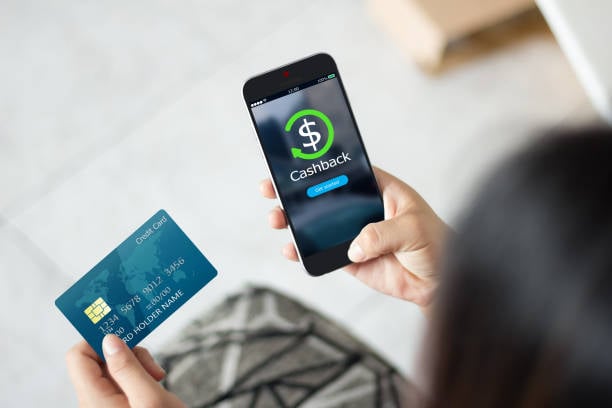
Not all tools are apps, some are financial habits. Cashback credit cards specifically designed for groceries can provide 1–5% back on every purchase. Financial experts note, “Using a cashback card for grocery shopping turns routine spending into a savings opportunity without altering buying habits.”
Over time, these small percentages compound, often covering the cost of an extra meal or two each month. Shoppers also report that pairing cashback cards with other tools, like deal aggregators or coupon extensions, multiplies savings. Beyond cash back, these cards offer purchase protection and tracking benefits, giving an extra layer of convenience. The key is combining timing, awareness, and strategy, all tools for paying less without cutting corners on quality.
9. Digital Receipt Trackers: Never Lose a Deal

Losing receipts can mean missing out on rebates or price adjustments. Digital receipt tracking apps like Receipt Hog or Expensify help users store and organize every purchase automatically. Experts highlight that “tracking receipts digitally allows shoppers to claim cash back, track spending trends, and identify repeat purchases.”
This tool does more than save receipts, it reveals patterns. You can see which items consistently cost more elsewhere, helping you plan better shopping routes and budgets. For frequent grocery buyers, digital receipt trackers become an essential companion, quietly ensuring that every dollar spent is accounted for and every potential deal is captured.
10. Community Deal Forums: Sharing Savings

Sometimes the best tips come from neighbors. Online communities like Reddit’s r/Frugal or local Facebook groups allow shoppers to share discounts, clearance alerts, and coupon codes. Analysts note, “Peer-to-peer sharing of deals increases awareness of limited-time offers and reduces the chance of paying full price unnecessarily.”
Beyond savings, community forums offer advice on brand swaps, homemade alternatives, and seasonal deals. Shoppers report feeling more confident and informed when they engage with peers who actively hunt bargains. It transforms grocery shopping from a solo chore into a collaborative, strategic activity.
11. Price Alert Tools: Notifications that Save
Price alert tools, like CamelCamelCamel for groceries available online or apps that track local stores, notify users when products drop in price. Experts note, “Receiving real-time alerts empowers shoppers to act immediately and avoid paying full price, optimizing every purchase.”
Instead of checking prices manually, you set preferences and let the tool do the work. Shoppers often find that waiting for alerts pays off, a few days of patience can save several dollars on high-ticket grocery items. Over time, these alerts teach you when to buy and when to wait, quietly shaping smarter shopping habits.
12. Coupon Aggregators: All Deals in One Place
If hunting for deals feels overwhelming, coupon aggregator apps like Honey or RetailMeNot simplify the search. These tools collect active coupons, discount codes, and promotional offers across multiple grocery stores, so you don’t have to dig through flyers or websites. According to consumer behavior studies, “Shoppers using aggregator tools consistently save 10–20% on grocery bills, often finding offers they wouldn’t have discovered otherwise.”
The real advantage comes in planning ahead. By browsing aggregated coupons before your trip, you can organize your shopping list around discounts, choose the stores with the best offers, and even schedule trips for maximum savings. Many users note that coupon aggregators also highlight expiration dates and stackable deals, making it easier to combine multiple offers without mistakes. Over time, these tools not only save money but also teach better shopping habits, turning every trip into a calculated, intentional experience rather than a rushed errand.
13. Grocery Comparison Apps: Know Before You Buy

Price comparison apps like Flipp or Basket make it easy to compare prices for the same product across several local stores. Instead of assuming the nearest store has the best price, you can make informed choices. Retail analysts explain, “Shoppers who use comparison tools reduce impulsive spending and increase overall savings, as they are guided by data rather than habit.”
These apps are particularly useful for weekly staples and big-ticket items. Users report that knowing where to buy can transform their shopping strategy, from planning the most efficient route to deciding when to stock up on sale items. Beyond savings, the tools also offer features like weekly ads, sale alerts, and suggested substitutions, which help buyers maximize value. Using comparison apps gradually turns grocery shopping into a more tactical, less stressful routine, making it easy to feel in control of your budget.
14. Cashback Aggregators: Double the Benefit
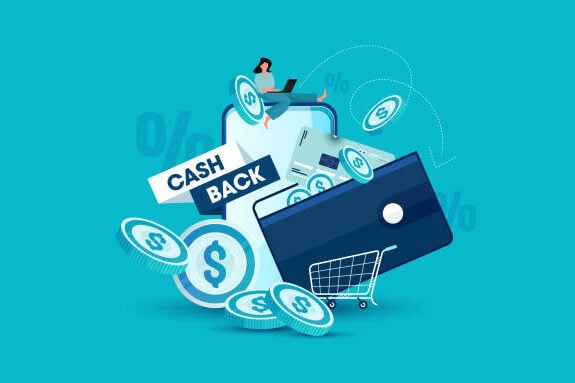
While regular cashback cards are great, aggregator apps like Rakuten or Ibotta amplify the effect by linking multiple offers in one place. “Cashback aggregators reward consistent shopping behavior, allowing users to receive both card-based and app-based benefits,” note personal finance experts. Essentially, these apps let shoppers stack rewards, which can make a significant difference over a month or year.
Beyond accumulating points, the apps encourage thoughtful purchases. Users become aware of when certain stores offer bonus rewards, which influences planning and timing. Many report that over time, they’ve learned which products and brands consistently provide the best returns. With this approach, even routine grocery trips feel productive, every purchase contributes to long-term savings, subtly reinforcing more intentional shopping habits.
15. Inventory Management Tools: Shop Smarter, Not Harder

Running out of essentials or overbuying items can be expensive. Inventory management apps like Pantry Check or Out of Milk help track what you have at home, reminding users before they buy duplicates. Experts note, “Managing household inventory digitally prevents unnecessary purchases and ensures money is spent on what’s truly needed.”
These tools also allow users to build lists based on what’s missing and upcoming meal plans, avoiding last-minute shopping that often leads to overspending. Many shoppers mention that seeing what they already own reduces waste and increases mindfulness when selecting new items. Over weeks, using inventory management becomes habitual, your grocery trips are no longer random but strategic, conserving both money and food.
16. Flash Sale Trackers: Catch Discounts Fast

Some of the best deals appear and disappear in a flash. Flash sale tracking tools alert shoppers when products suddenly drop in price, whether through apps, newsletters, or push notifications. Analysts observe, “Shoppers who monitor flash sales consistently acquire high-demand products at reduced prices, giving them an edge over casual buyers.”
These alerts reward both patience and attentiveness. Users report that with flash sales, they can stock up on staples like dairy, snacks, and cleaning supplies for less, all without extra effort. By acting on timely notifications, shoppers make purchases strategically rather than impulsively, ensuring that even a small window of opportunity translates into significant savings.
17. Subscription-Based Discount Tools: Planned Savings

Finally, subscription-based apps like Amazon Subscribe & Save or Walmart+ offer predictable discounts on recurring grocery items. Consumers enjoy the convenience of scheduled deliveries and the financial benefit of price reductions for subscribing. Financial advisors highlight, “Subscriptions create consistency in spending while offering cost savings, particularly for frequently purchased items.”
The added bonus is the reduction in shopping stress. You know essential items will arrive on time at a lower price, freeing up both mental bandwidth and money. Many users note that combining subscriptions with other tools; price alerts, cashback, or aggregator apps multiplies the effect, turning routine grocery shopping into a highly efficient and budget-conscious process.